Sign up for Chalkbeat Colorado’s free daily newsletter to get the latest reporting from us, plus curated news from other Colorado outlets, delivered to your inbox.
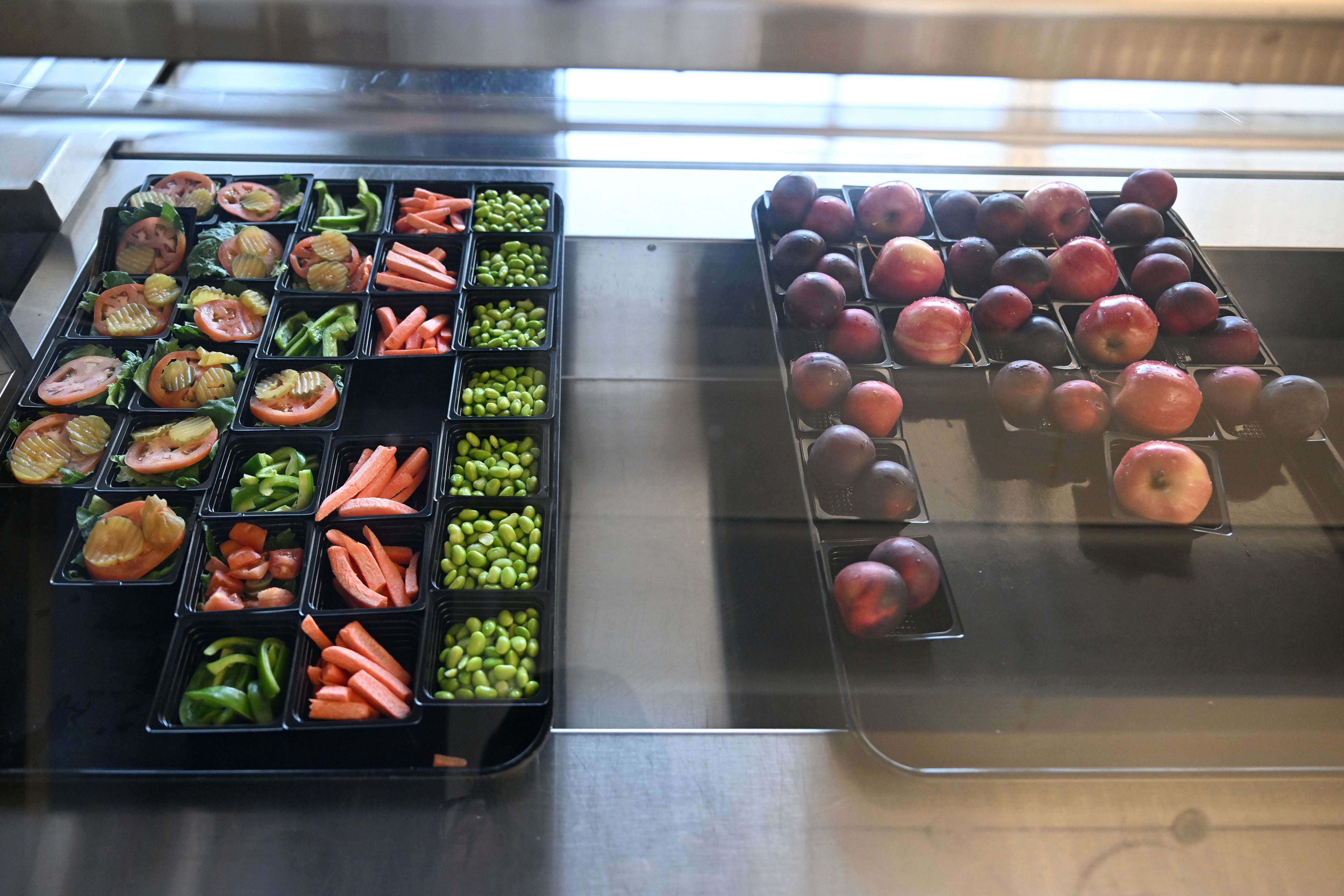
Colorado’s popular universal free school meals program could face substantial cuts next year if voters don’t approve a measure for additional funding.
The state is facing challenges on two fronts with the Healthy School Meals for All program: less overall revenue for the program than it costs to run and a $1.2 billion budget shortfall that requires cuts to state programs and won’t provide enough money to cover the program’s operations.
Joint Budget Committee lawmakers released a $43.9 billion budget proposal on Monday that includes accompanying legislation to address the program’s funding.
In the best case scenario, voters approve more revenue for the program and the state avoids cuts. In the worst case, state cutbacks would mean only some schools would be eligible to get money for free lunches.
In 2022, Colorado voters allowed the state to raise revenue to make breakfast and lunch free for all students regardless of family income by lowering a tax credit for taxpayers making more than $300,000 a year.
In the first year, funding fell short by $56 million. Lawmakers covered the gap and have continued to do so as the demand for meals soared. Next year, lawmakers will no longer be able to cover costs through the state’s education savings.
The state budget estimates the program will need $151 million next year, but the state will only collect $108.8 million.
The bill would reduce additional state funding to $8 million, enough money to maintain the program through December.
Then the bill spells out two scenarios.
In the first, lawmakers pass House Bill 1274, which is already under consideration and sends two referendums before voters in November to raise more money for the program.
The first referendum would ask voters to approve allowing the state to retain money for the program that typically must be refunded to taxpayers due to the state’s cap on spending.
The second referendum would ask voters to expand the program by increasing taxable income on those who earn over $300,000 a year. A financial analysis of the bill estimates that referendum would generate more than $95 million each year for the school meals program.
The state would collect enough money for the program to maintain services statewide, according to budget projections.
In the second scenario, if the referendum doesn’t pass, only schools that currently participate in the federal Community Eligibility Provision program would qualify for meals free of charge. Schools where at least 25% of the population qualifies for the federal free or reduced lunch pricing threshold would also receive funding.
Students at other schools would have to fill out a federal form to receive free or reduced meals.
Jason Gonzales is a reporter covering higher education and the Colorado legislature. Chalkbeat Colorado partners with Open Campus on higher education coverage. Contact Jason at jgonzales@chalkbeat.org.