Beyond High School is our free monthly newsletter covering higher education policy and practices in Colorado. Sign up to get it delivered to your inbox early.
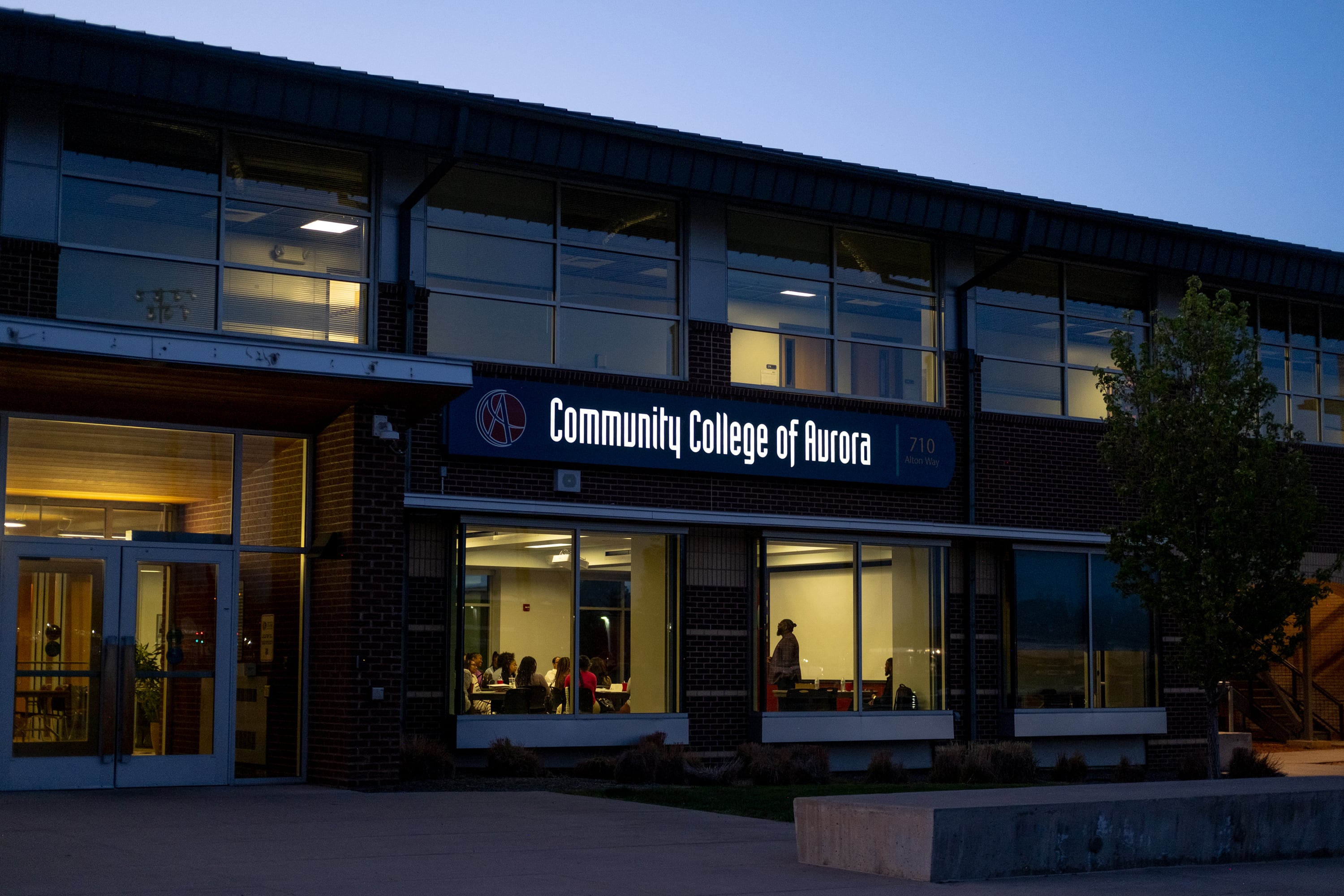
The Community College of Aurora will no longer offer citizenship classes after the U.S. Department of Homeland Security terminated a grant that funded the program, the college’s president announced Thursday.
In an interview, CCA President Mordecai Brownlee said he has ended the program, which helped participants prepare for the naturalization test, with a “heavy heart.”
Brownlee said these classes help students realize a path to citizenship and feel more security living in the United States. Students must have a green card to participate in the classes and be able to demonstrate an intermediate level of English proficiency, such as the ability to hold a conversation and write and speak clearly.
The college is a sub-awardee of the Homeland Security grant that was given to Lutheran Family Services Rocky Mountain. Brownlee said the organization notified the school earlier this week about the Trump administration’s decision.
The Trump administration has stepped up immigration enforcement and canceled student visas and green cards, which can serve as pathways to citizenship.
Brownlee said this decision will make it harder for the college to fulfill its mission of serving the Aurora community, which is one of the most diverse in the state. Students turn to the school for a variety of educational opportunities, he said.
“You have individuals now that are beginning to feel a lost sense of value for themselves and their families,” he said. “They saw this pathway as a viable option towards realizing an American Dream.”
As part of the agreement with Lutheran Family Services, the school taught the 10-week citizenship class and, if necessary for the student, offered English-language skills courses. The community college was supposed to receive a total of $101,000 to teach those classes over two years.
Students paid about $30 per class, according to a college spokeswoman.
Meanwhile, Lutheran Family Services Rocky Mountain also offered students legal assistance to become citizens, Brownlee said.
The faith-based nonprofit provides various services for families, including adoption, disaster relief, foster care, older adult guardianship, family support, and refugee and immigration services.
It’s unclear if any other Lutheran Family Services programs are affected. A spokeswoman for the organization did not immediately return a call for comment. The Rocky Mountain arm of the organization serves several states, including Colorado, New Mexico, and Montana.
The school has referred students to other area organizations that offer these services.
The Trump administration’s revocation of the grant is part of its widespread cancellation of various federal funding programs. For example, in February, the administration announced billions in funding cuts to health research grants nationwide. That order has especially impacted four-year research institutions, although a federal judge has halted the cuts.
The Trump administration has announced other actions, such as its push to end all race-conscious policies, that could reshape higher education.
Brownlee said he is unsure if the Community College of Aurora could financially support the citizenship classes without the grant. And before he seeks funding, he also wants to get a clearer picture of whether the Trump administration limits pathways to citizenship, given its stance on immigration.
“The last thing that we want to be engaged in is offering classes and preparing people for a test that potentially they can’t even take,” he said. “And so I think we’re really at a standstill.”
Jason Gonzales is a reporter covering higher education and the Colorado legislature. Chalkbeat Colorado partners with Open Campus on higher education coverage. Contact Jason at jgonzales@chalkbeat.org.