Beyond High School is our free monthly newsletter covering higher education policy and practices in Colorado. Sign up to get it delivered to your inbox early.
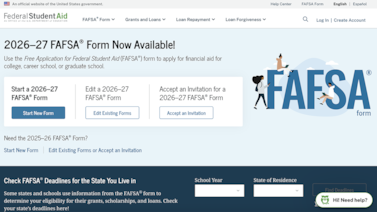
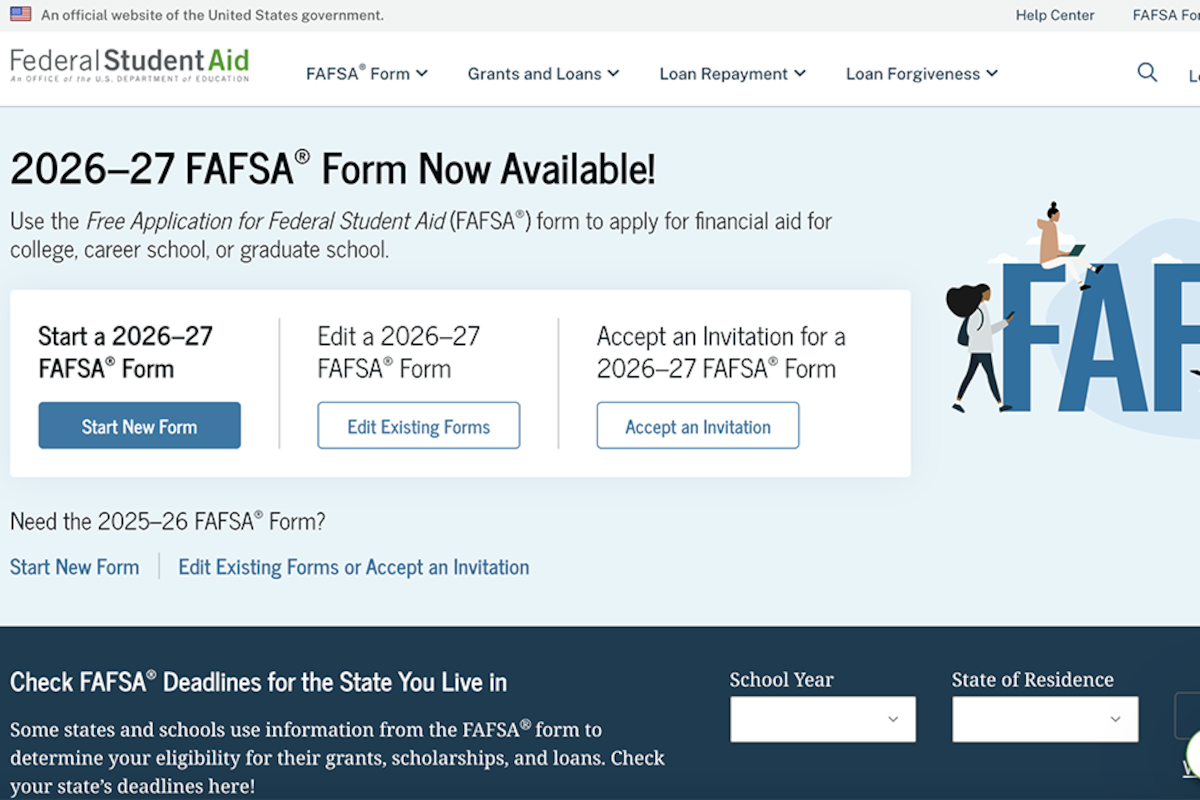
Record numbers of students in Colorado and nationwide are filling out the Free Application for Federal Student Aid after a revamp of the form made it easier, data shows.
But for immigrant families where one or more members is undocumented, whether students complete the FAFSA depends on if they are willing to take the risk at a time of heightened immigration enforcement, college advocates said. Many worry the government will use their information to track them or their family and deport them.
Jesse Ramirez, founder and executive director of a Colorado nonprofit called INSPiRE, recalled a recent conversation with a mom from the Fort Lupton area who was scared to have her daughter complete the form.
“She said, ‘I came here from Venezuela to escape political violence. So why put myself at risk now? They might send me back or worse,’” said Ramirez, whose nonprofit organization helps advise over 2,000 students in the Denver area on how to get to college.
So far this year, about 46% of high school students nationwide have completed the FAFSA form, according to the National College Attainment Network’s FAFSA tracker.
Bill DeBaun, the organization’s senior director of data and strategic initiatives, said in a news conference last month that the nation might exceed 56% of students completing the form — an “all-time high” since tracking began in 2017. This matters because students who fill out the form are more likely to end up pursuing education opportunities after high school.
In Colorado, just over 37% of seniors completed the form by the end of February, or 28,597 students, according to NCAN. That’s about 5,000 more students than last year during the same time period.
That progress so far places Colorado 42nd this year in how well states get seniors to fill out the form.
Ramirez and others report the rates remain lower because students who have the most challenges still aren’t getting the help they need to complete the form.
At the end of February, only 11% of seniors at Colorado schools with 40% or more Hispanic or Black students had completed the form, NCAN’s FAFSA data shows. And 37% of seniors at schools where at least half of their population comes from lower-income backgrounds have completed the form, compared to 45% at schools whose students come from higher income families.
Studies from 2017 show Colorado had about 130,000 students who have a family member without legal documentation. These students have the option to fill out the FAFSA or the state’s Colorado Application for State Financial Aid. The state created the form for undocumented students and those from mixed-status families who don’t want to share their data to the federal government.
Ramirez said FAFSA opens up the possibility for more grant or scholarship aid than the state’s form, and he frequently explains to students and families why filling out the form can be beneficial. He’s worked with families for years, but the current political environment has made families fearful.
He advises families not to wait out the Trump administration and to continue allowing their kids to pursue their dreams, especially because many undocumented individuals already fill out tax forms. He says in some cases it’s better to send kids to college than “sitting around waiting to see if some policy changes or a new administration comes along and then wasting four or five years.”
These one-on-one conversations take time, he said. And the loss of the statewide data tool that showed individual student progress on the form has made working with students more difficult.
Lawmakers cut the tool within this year’s budget to help fill a more than $1.2 billion budget hole. The loss has hamstrung others across the state. Without the tool, college advisors must connect with each student to check their FAFSA progress, said Tam Doane, Colorado Springs’ Peak Education college and financial aid advisor. The nonprofit works with students to help them pursue college or a career. Doane spends two days a week at Harrison High School and Sierra High School helping students prepare for college.
The loss of the tool, Doane said, is “just slowing everything down because I’m calling students multiple times to say, ‘Show me where you are at.’”
Oftentimes, students will think they’ve completed the FAFSA when the federal government might require an extra step, said Jasmine Rainey, Peak Education’s director of access and success.
“Not having that tool that just creates another obstacle for us in order to help students complete the FAFSA and get to college, or whatever their postsecondary plan might be,” Rainey said.
Ramirez said the challenges are a shame during a year where the application is easier and more user friendly. Students still want to chase their dreams, he said, but many need more support to talk through their options.
He takes the wins where he can.
After a long conversation with the Fort Lupton mom, she made a decision about her daughter’s future. She came to the United States for safety and to create a better life for her family, Ramirez said.
While no one can guarantee she won’t get detained, she made the decision to take a “leap of faith” and fill out the FAFSA to help her child follow her dreams.
Jason Gonzales is a reporter covering higher education and the Colorado legislature. Chalkbeat Colorado partners with Open Campus on higher education coverage. Contact Jason at jgonzales@chalkbeat.org.