Sign up for our free monthly newsletter Beyond High School to get the latest news about college and career paths for Colorado’s high school grads.
Making standardized test scores optional for college admissions in Colorado hasn’t hurt students and may have helped increase applications and admissions, according to a new state report.
In 2020, Colorado lawmakers temporarily allowed four-year institutions to stop using national assessments such as the SAT or ACT to determine eligibility for high school seniors graduating in 2021. A year later, lawmakers made that policy permanent.
The July analysis comes during a renewed national debate over test-optional admissions policies, which became widespread during the pandemic. About 90% of universities nationwide for fall 2027 will maintain a test-optional approach like the policy in Colorado, according to FairTest, a national nonprofit that advocates against the use of tests in admissions.
The report says many of the findings remain inconclusive due to the influence of COVID on students’ college decisions. Some students chose to defer college or skip altogether.
Despite the reliability of the pandemic-era data, the report points to some possible benefits, such as clearing barriers to enrollment, said Carl Einhaus, Colorado Department of Higher Education chief student success and academic affairs officer. First‑time freshman acceptances increased from 101,208 in 2019 to 124,617 in 2021.
And the policy certainly hasn’t harmed students, he said.
“We don’t see anything alarming in terms of a negative impact on retention, enrollment, and so forth,” Einhaus said. “So I think that that is a potential positive.”
Since tests became optional in 2021, freshman acceptance rates increased across racial groups, including among Black and Hispanic students, according to the report.
The report also found that more students returned during their second year among those who did and did not submit test scores. The rate jumped to 72.6% in 2021, up from 45.5% in 2019. Students who submitted scores still had higher retention rates, which increased from 74.8% in 2019 to 78.6% in 2021.
Several universities reported that test-optional policies have prompted a greater reliance on high school grades to determine student college readiness — a point that is central to the national debate about rolling back test-optional admissions policies.
Some Colorado university officials said the test-optional policy didn’t impact their admissions operations. Total applications to Colorado schools increased from 134,748 to 153,441, driven mostly by a 469.4% increase in students who didn’t submit a test. More than 98,482 students didn’t submit.
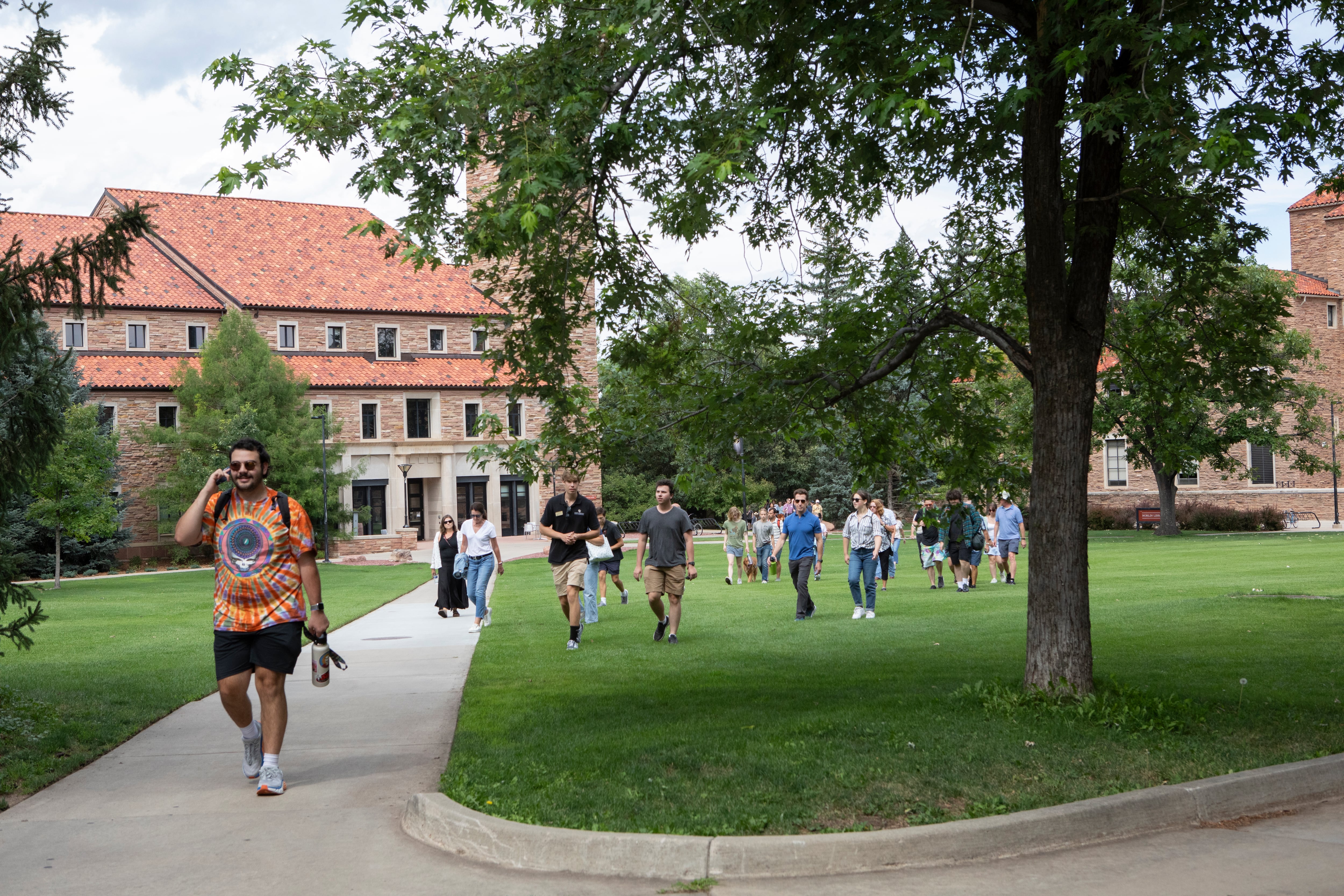
The University of Colorado Boulder, for example, has maintained a holistic admissions approach, and students can choose whether to submit test scores. The school looks at “the full picture of each applicant and a range of academic and other factors that can help us assess their potential to succeed in our academic environment,” a spokesperson said in a statement.
Colorado Mesa University President John Marshall said that while he agrees that tests don’t determine success, the reliance on grades has created more work for his university as it determines what academic support students need.
“We have some academic preparation holes that often have nothing to do with kids, it’s just where they grew up,” he said. “For whatever shortcomings these tests have, one of the things they do a good job is shining a light on some of those holes.”
Marshall said he’s seen more incoming freshmen who aren’t ready for college since the switch to test-optional admissions. Those students must take a pre-college assessment to determine whether they are prepared for certain courses, he said.
This is a similar argument to faculty in the University of California system, who have said restoring testing requirements would help determine academic readiness and could help identify students who might need additional support.
Some elite institutions reverted to requiring tests after the pandemic, citing research that said test scores can help predict student success in college.
Akil Bello, FairTest’s admissions testing policy expert, said in a Wednesday news release that other studies show “high school GPA is still the best indicator of college success except perhaps at a handful of unique institutions.”
Correction: Aug. 28, 2026: This story has been corrected to clarify that applications and admissions may have increased since Colorado colleges went test optional, not enrollment.
Jason Gonzales is a reporter covering higher education and the Colorado legislature. Chalkbeat Colorado partners with Open Campus on higher education coverage. Contact Jason at jgonzales@chalkbeat.org.