Did you know search engines like Google are changing the way you see news? Keep Chalkbeat’s valuable education coverage at the top of your feeds by clicking here and checking the box next to our name.
Newark Public Schools officials say a new state audit proves its finances are in order. Those who wrote the audit see things differently.
The report released Thursday by the New Jersey Office of the State Auditor David J. Kashack identified millions of dollars in excess state aid, questionable spending, and gaps in employee background checks. The audit also referred “certain matters” to New Jersey’s Division of Criminal Justice, although it does not provide further details, which auditors said they withheld to protect potential investigations.
Nevertheless, the district said in a Thursday press release auditors spent 22 months reviewing its records and “found … nothing.”
At the same time, in its formal response, Newark called the report’s reference to the Criminal Justice division referral “gratuitous and irresponsible,” citing a lack of supporting evidence.
The audit’s findings could turn up political heat on the district. They follow Republican lawmakers’ demands for greater state and federal oversight of the Newark district’s finances in recent years and questions about how New Jersey’s largest school district handles its public money. Newark officials have publicly defended their financial management as they face rising costs and the need for more classroom space.
The district and auditors disagreed on many of the audit’s core findings and the district’s own documentation. For example, the district insisted in its response to the report that student enrollment data is regularly updated and conforms to state requirements. After examining district records, the auditors asserted that the data was “inaccurate” and not regularly updated.
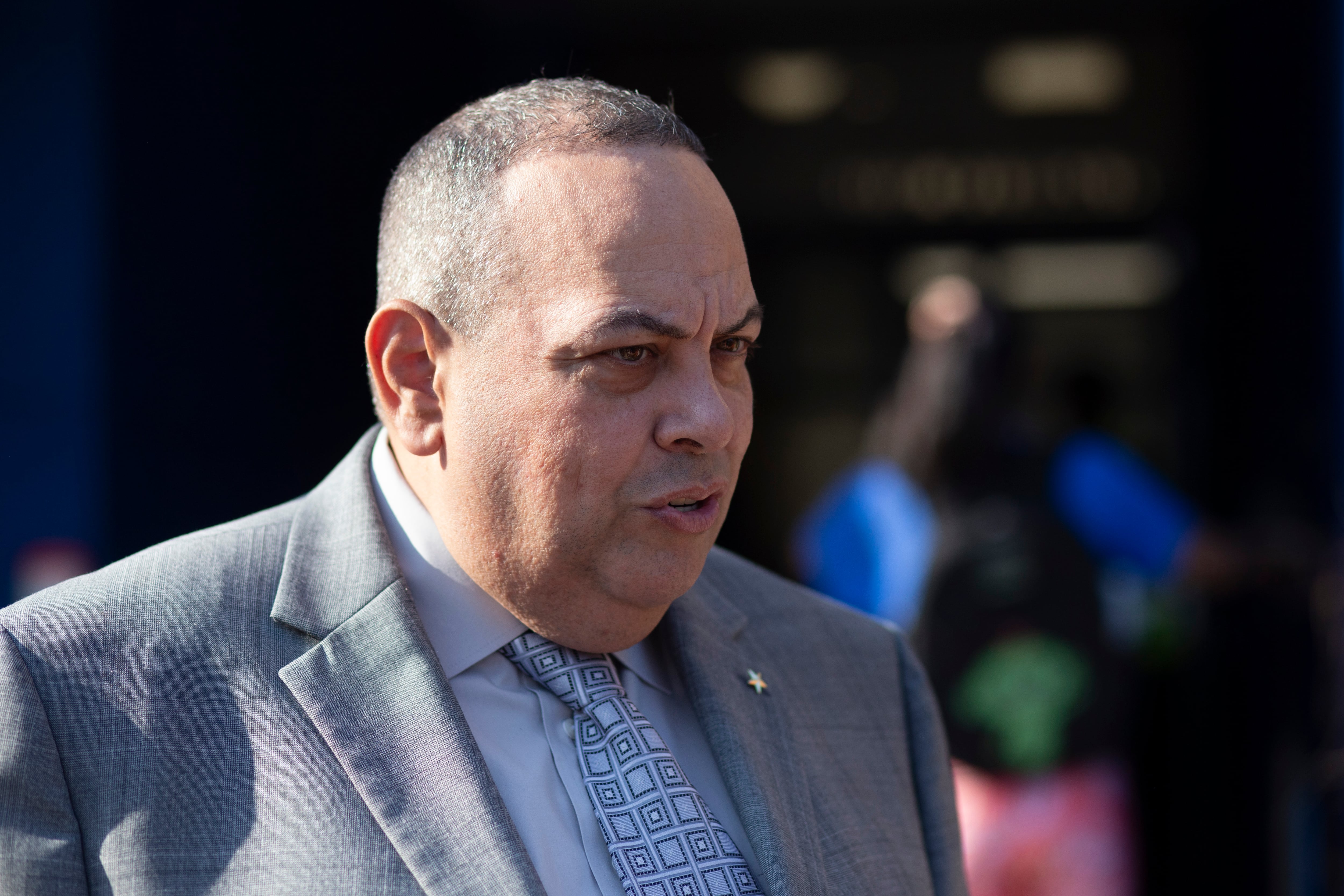
“Newark Public Schools takes seriously every recommendation that can advance our progress and incorporates that feedback into meaningful, continuous improvement,” Superintendent Roger León said in Thursday’s press release.
The audit looked at Newark Public Schools spending from July 2022 through May 2026. State funding accounted for an average of 88% of the district’s general fund revenues during the three fiscal years analyzed.
Auditors found Newark got approximately $6.7 million in excess state aid after overstating student enrollment by 128 students in its 2023 and 2024 submissions. The district maintained that its reporting followed state guidelines.
The audit also estimated that the district could have saved $18.7 million over two years by participating in the state’s school employee health benefits program. Newark, which has used a self-insured plan since 2022, disputed the comparison and said its benefits were more comprehensive than the state plan’s.
Other findings were focused on spending outside the classroom. Auditors questioned roughly $566,000 spent to build, equip, and operate an employee gym at district headquarters, saying construction lacked required board approval and circumvented competitive bidding requirements.
Newark countered that the gym services were paid for with employee wellness funds. Auditors said district records showed the money came from its general fund.
The district also paid $2.5 million upfront to a developer in May 2023 to convert the former State Street School into a museum and offices. By May 2026, the project was a year overdue, with no records provided to auditors documenting progress or explaining the delay. In its response, Newark said the project preserves “one of New Jersey’s most significant civil rights and public education landmarks.”
Auditors identified other issues with legal spending, payments to preschool providers, catering expenses, senior trips, and a central office staff event.
Their recommendations included establishing procedures to minimize legal costs, adjusting preschool payments to reflect enrollment, and improving how the district approves and pays for purchases.
Beyond spending, the audit found 10 employees had never completed required criminal background checks and 199 lacked properly updated clearances for Newark.
According to the report, the district directed those employees to complete background checks or resubmit fingerprints after auditors flagged the gaps. Most subsequently received clearances, while some left the district or were barred from working until they completed the process.
State auditors said they plan to review Newark’s compliance with their recommendations in 2028.