A few months before the pandemic hit, New York City’s education department began an uphill battle to integrate middle schools in Queens, one of the most diverse corners of the nation.
The backlash was swift — even before a plan was created. Families expressed outrage across District 28, where a north-south divide along race and class shaped schools in these Queens neighborhoods for generations.
Season 2 of the “School Colors” podcast offers a clear-eyed and nuanced look at the district’s “Mason-Dixon Line” separating Forest Hills on one end and Jamaica at the other and how the history of housing patterns laid a foundation making it difficult to build a bridge.
No middle school integration plan ever came to fruition. When COVID hit, the education department’s planning process for integrating District 28 fell by the wayside.
What could happen next? What should happen next?
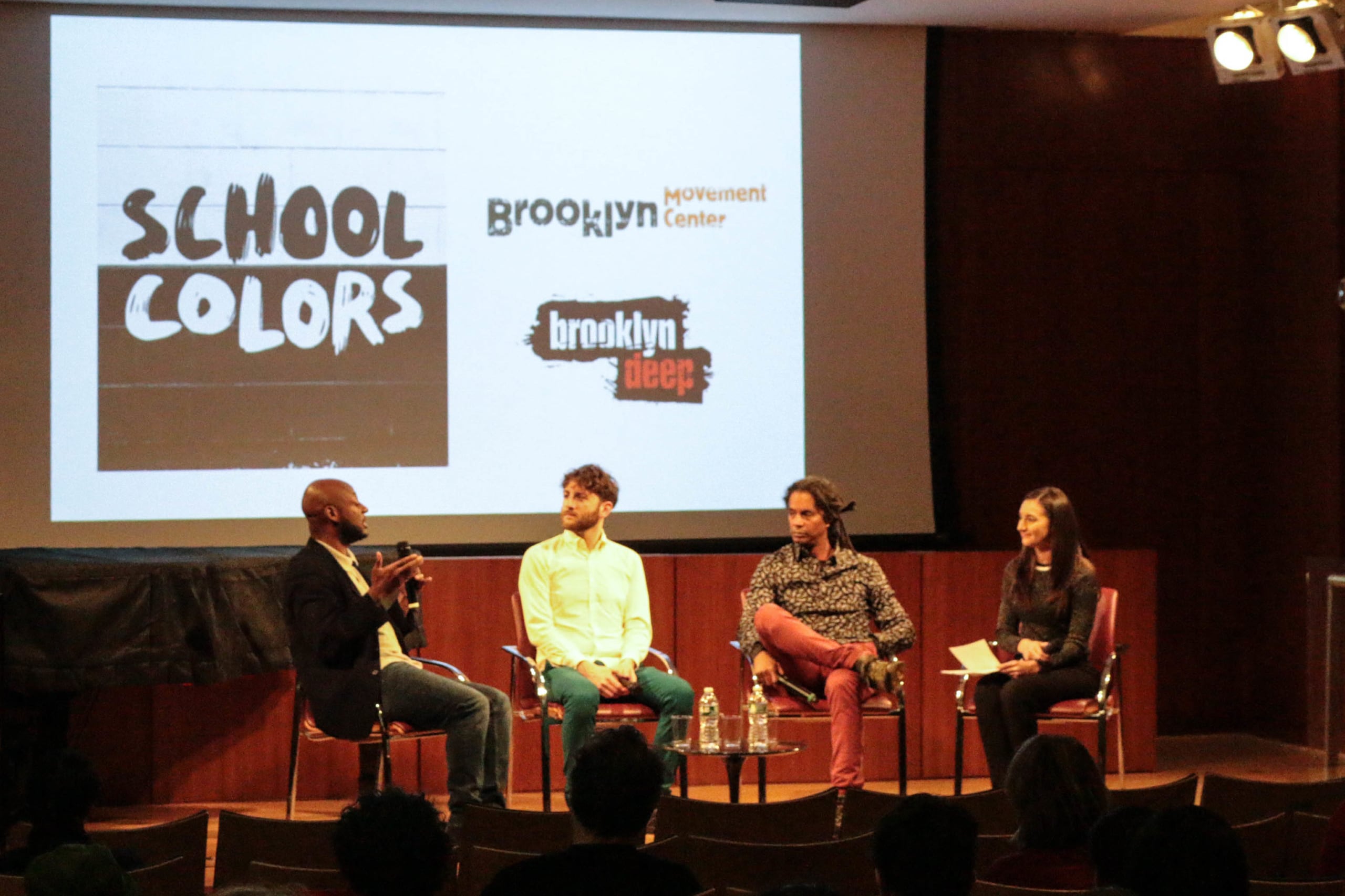
Be part of the conversation on Dec. 15 at Queens Public Library when Chalkbeat and THE CITY are hosting a live podcast event with School Colors creators Mark Winston Griffith and Max Freedman, featuring schools Chancellor David Banks as a special guest.
Though COVID cut short the city’s initiative to bring families together to discuss the problems and possible solutions, Winston Griffith and Freedman filled that role, in a way, bringing to the fore the voices on all sides of the debate.
If you haven’t listened to Season 2 of School Colors, now’s your chance to binge-listen to it on the podcast’s website.
It’s also your chance to send in questions to podcast creators Winston Griffith and Freedman about what they learned in talking with more than 120 people and collecting more than 200 hours of tape to make this season’s nine episodes. And if you have questions about it for Banks, please let us know, too.
Though the process for integrating District 28 middle schools rose and fell before Banks was at the helm of the nation’s largest school system, the chancellor has a personal connection to the area, having attended Hillcrest High School in the early 1970s, after an integration fight sparked there.
Amy Zimmer is the bureau chief for Chalkbeat New York. Contact Amy at azimmer@chalkbeat.org.