Sign up for Chalkbeat New York’s free daily newsletter to get essential news about NYC’s public schools delivered to your inbox.
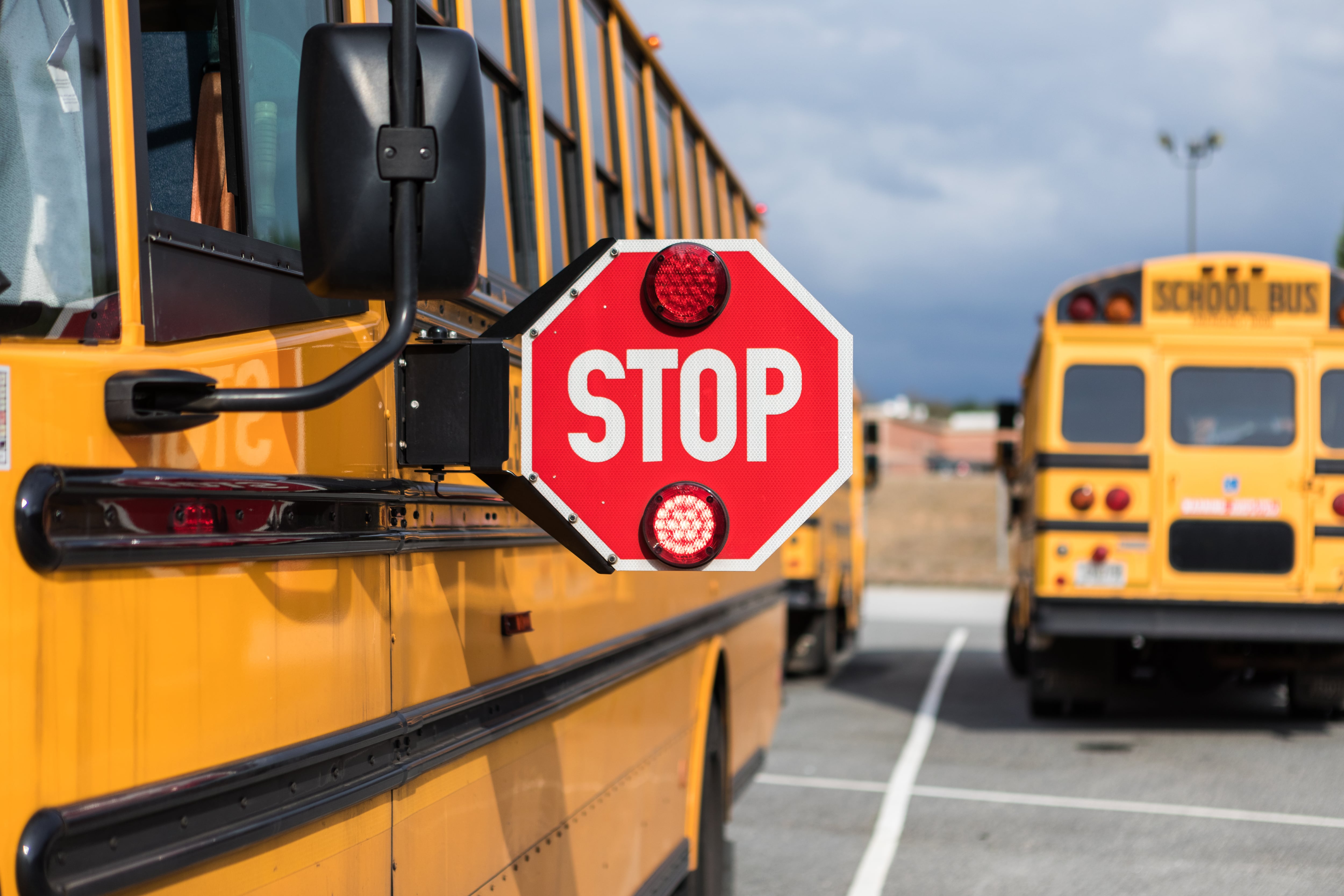
It took years of advocacy to secure guaranteed school bus service for New York City students in foster care.
But now, advocates say it can take weeks or more to get that bus service up and running, leaving kids who are already among the most vulnerable in the city with few good options to get to school while they wait.
That’s why they’re calling on city officials to invest $3 million in this year’s budget to come up with a better system to transport kids in foster care while they await bus service.
“At this challenging time in their lives, students should be able to rely on continuous, consistent access to school as a critical source of stability,” the nonprofit Advocates for Children, along with 24 other groups who work with foster youth, wrote in a Tuesday letter to Mayor Zohran Mamdani.
Students in foster care see some of the worst educational outcomes of any student group, with a graduation rate of just 41% last year, and 55% marked chronically absent.
Students in foster care have a legal right to transportation so that they can remain in their school if they move to another part of the city. But for years, the city Education Department used a combination of school bus service and MetroCards to meet that obligation, spurring protests from foster care agencies who said they couldn’t send students to school alone on public transit. A policy of reimbursing agencies for rideshare services posed a similar problem, since students often need chaperones.
The situation improved in recent years after the Education Department launched a dedicated office to oversee education for foster youth. That office helps ensure students are matched to a bus route as quickly as possible and troubleshoots problems.
Even with those improvements, advocates say it can take “weeks or even months” for bus service to start. In the meantime, students can use a rideshare service and request reimbursement. After 10 days, they become eligible for a rideshare program prepaid by the Education Department.
Both those options still require foster parents to accompany kids to school, “a task that is often impossible for foster parents with jobs or other children in the home who attend schools in different communities,” advocates said.
They’re instead proposing alternatives that would allow kids to get to school safely on their own for free. One idea is using vehicles owned by the Administration for Children’s Services, the city’s child welfare agency. Another is contracting with a car service that vets drivers — like Kid Car, which already operates in New York City, or HopSkipDrive, which works with Los Angeles public schools — so that kids don’t need to be accompanied by a chaperone. The city could also hire aides to travel with students, or launch a new transportation service, advocates suggested.
If all else fails, officials could reimburse travel costs for chaperones (whose expenses aren’t covered currently) and raise the cap on daily reimbursements, the letter suggests.
Education Department spokesperson Dominique Ellison pointed to the new office overseeing education for foster youth, and said the agency is trying to “continuously improve our processes.”
“We thank our advocate partners for their ongoing advocacy and attention to students in foster care and we look forward to reviewing their recommendations,” she added.
Michael Elsen-Rooney is a reporter for Chalkbeat New York, covering NYC public schools. Contact Michael at melsen-rooney@chalkbeat.org