Did you know search engines like Google are changing the way you see news? Keep Chalkbeat’s valuable education coverage at the top of your feeds by clicking here and checking the box next to our name.
Sign up for Chalkbeat Philadelphia’s free newsletter to keep up with the city’s public school system.
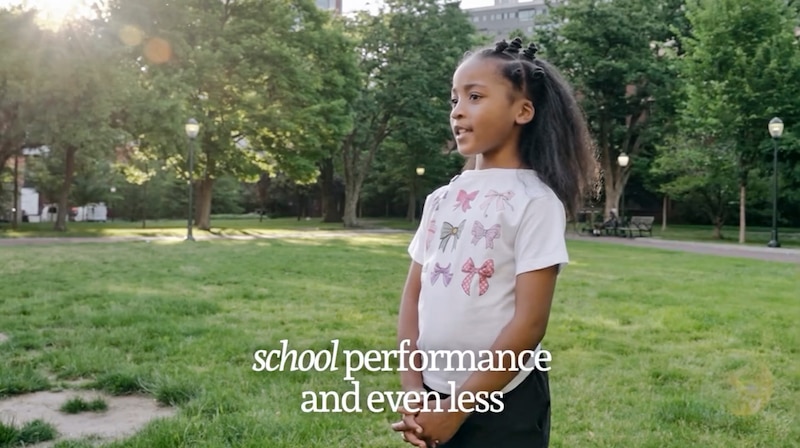
Zyla Smack just turned nine this summer. She grew up with social media, and she’s already seen the ways it can be a bad influence on her older peers.
“Sometimes it’s their friends, maybe they don’t like this person or they had an argument or something,” she said. “And you just go to your friend and you’re just like, ‘oh, let’s go shoot him because I don’t like him.’”
Now she and other youth are trying to leverage social media, which research indicates is often the breeding ground for violent conflict, to change the narrative about guns. She’s one of several young people in a new gun violence prevention video addressing PTSD, suicide, and the ways that exposure to shootings affects school performance. In it, she and others call for more art programs and career development opportunities.
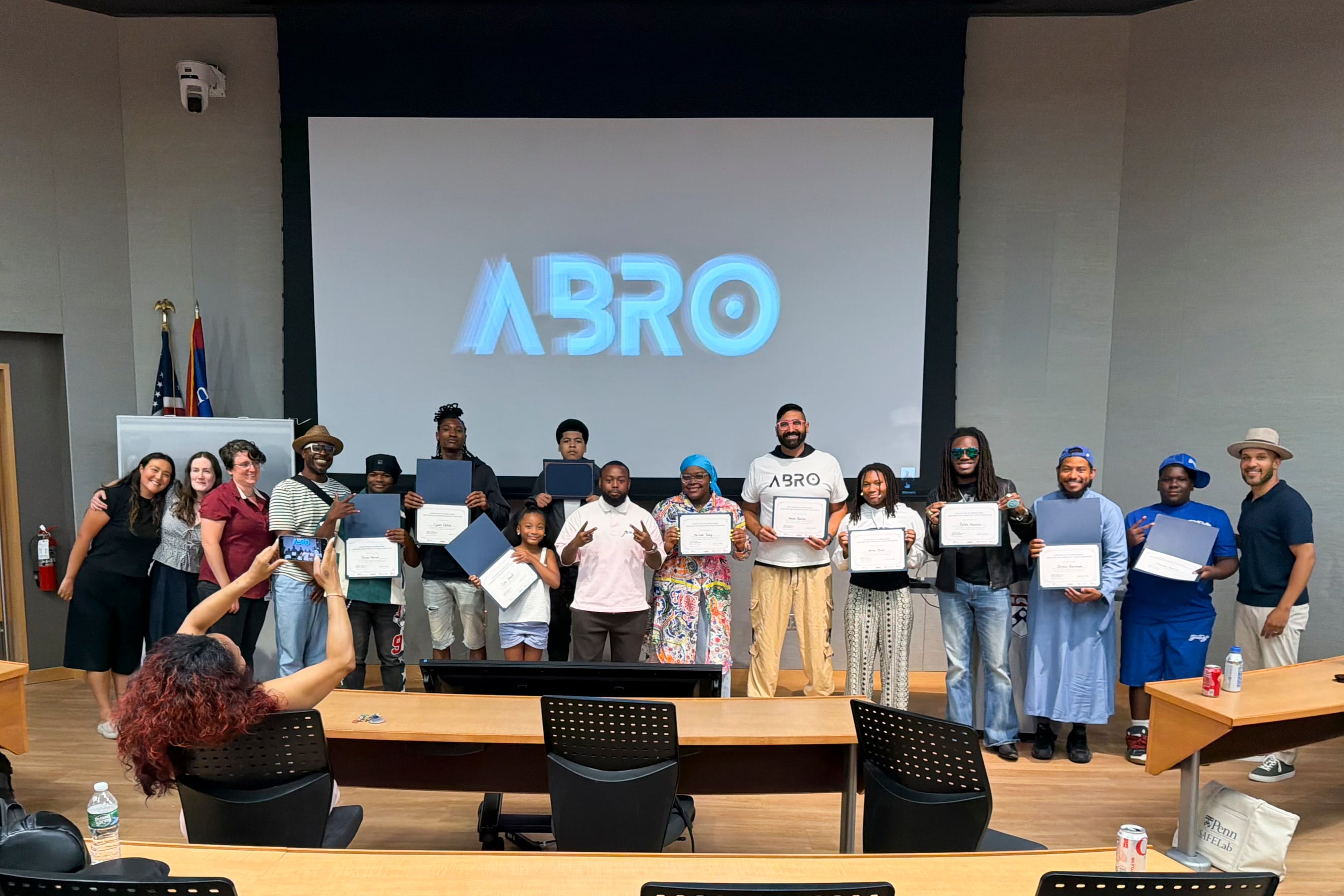
It’s the latest release from the UPenn Creators for Community Safety Institute, a year-old initiative that helps student activists craft anti-violence messaging through social media skits, rap songs, and other media. The institute’s first cohort of 15 dancers, rappers, fashion designers, and other makers, who tackled topics such as conflict resolution and the school-to-prison pipeline, graduated in August. A new batch of creators will begin next spring.
“Content and the multidisciplinary arts can shape the mindset of a young person,” said the institute’s founder Ant Brown. “Young people are impressionable, and they like to be engaged and entertained. And if we can engage and entertain them in a positive way, we can build a coalition of leaders.”
Like many Philadelphia children, Zyla, who is also Brown’s niece, became aware of gun violence at an early age. Her sister was injured in a shooting downtown when Zyla was six. The sister recovered, and Zyla said she mostly feels safe, but there’s still work to be done.
“I do want young kids to put the guns down,” she said. “But you can’t really change Philadelphia yourself unless you try hard enough. And that’s why I wanted to join the creators program.”
The institute is a partnership between ABRO (Brown’s organization) and the University of Pennsylvania’s SAFELab. Associate professor of surgery Dr. Elinore Kaufman, co-founder of the institute, treats some of the city’s youngest gunshot patients, and sometimes hears that their problems began online.
She spent this summer running focus groups with Brown’s cohort. She said social media spaces become “missed opportunities for prevention” when adults don’t take the time to understand what’s happening there.
“Conflict that starts or escalates online can end up in real-world harm, and if we’re not looking, those dynamics will be invisible to us,” she said.
There are similar efforts underway nationally. An organization called Project Unloaded launched a Snapchat campaign that aimed to increase teens’ awareness of the dangers of firearms.
Project Unloaded also paid for a group of Philadelphia teens to make a series of anti-gun violence social media videos in 2024. Meanwhile locally, a movement of young artists is pushing for less violent rap lyrics.
Kaufman will be evaluating the work of the Creators for Community Safety Institute, though she said the goal of changing the narrative is difficult to measure.
“It’s awfully grandiose to say we worked with 15 young people, and we’re gonna see the shooting rate in Philadelphia go down,” she said. “ But I do think there is a lot of potential from engaging young people who are the most directly affected.”
This fall, Brown began taking young content creators to schools in North and West Philadelphia to spread the word about the campaign. Now, the group will begin showing the new video during special assemblies.
Sammy Caiola covers solutions to gun violence in and around Philadelphia schools. Have ideas for her? Get in touch at scaiola@chalkbeat.org.