Tennessee expects to pay about $15.8 million this year to its new testing company under the terms of their 2019 contract after canceling annual tests this spring due to the coronavirus.
That’s about $5 million less than initially planned while state officials continue talks with testing giant Pearson about which products and services were delivered, said Chelsea Crawford, communications chief for the education department.
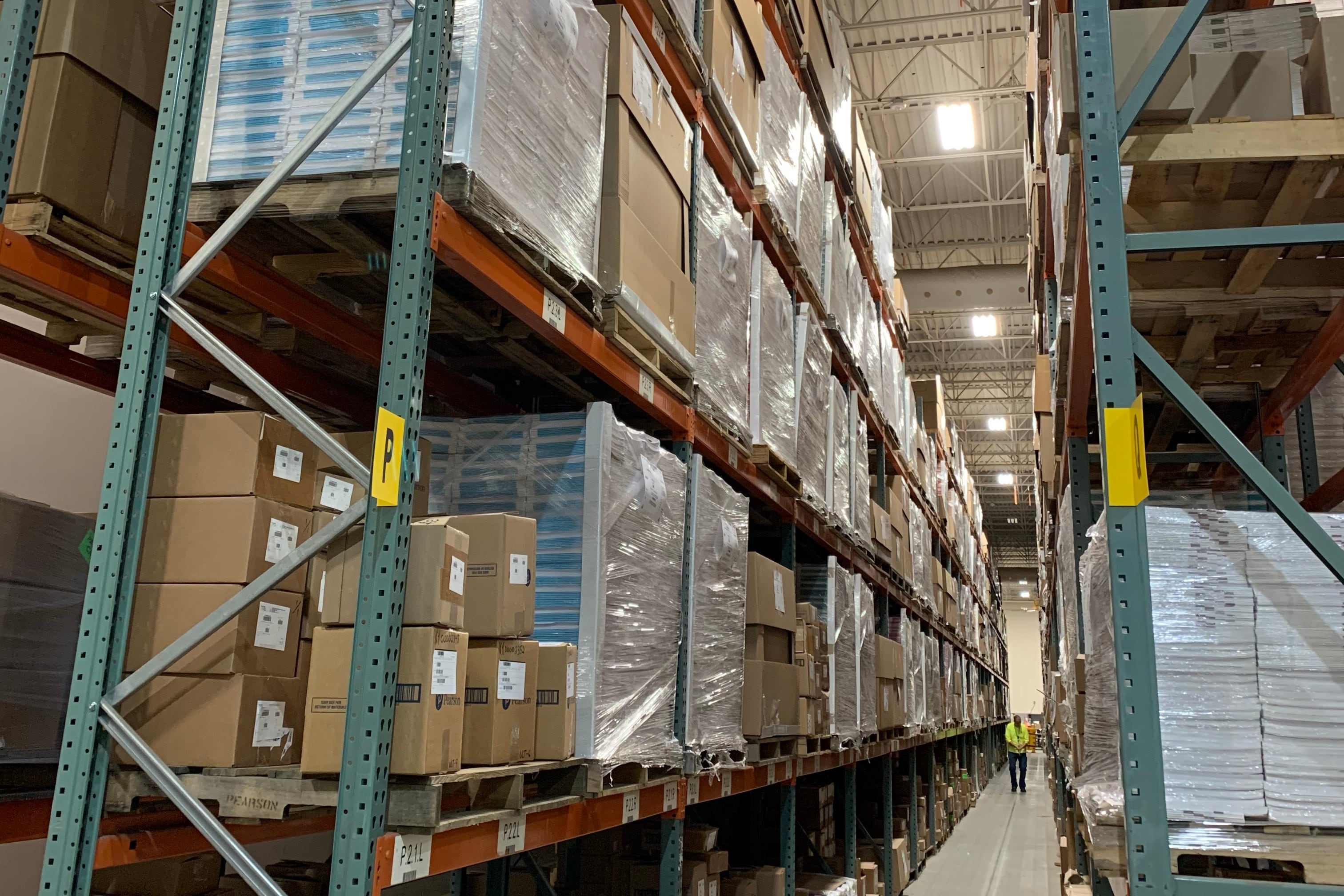
About $11 million of Tennessee’s bill is for materials already printed for canceled TNReady and end-of-course assessments during an all-paper testing year.
Those materials — about 75 tons in all — now sit in Pearson’s secure warehouse in Cedar Rapids, Iowa, and could be used next school year if the state chooses.
Sticking with paper tests in 2020-21 would save Tennessee a significant amount of money next year but slow its planned transition to online testing. State leaders view efficient and effective testing as a pillar of the state’s policy agenda aimed at increasing student achievement by holding students, teachers, and schools accountable for results.
Decisions about payment and future tests are among scores of questions and adjustments that all states are dealing with after the pandemic shuttered schools nationwide before testing season got underway.
A spokesman for Pearson, which manages annual assessments in 22 states, said the British-based firm is trying to support each state’s decisions. “Our assessment team remains fully staffed and ready to help state partners with options to resume testing when it is safe to do so,” said Scott Overland on Thursday.
Tennessee’s education department signed its two-year contract with Pearson last summer worth almost $40 million. First-year costs were estimated at about $20.1 million.
After several years of major technical problems with two different testing companies, Education Commissioner Penny Schwinn opted for an all-paper testing year in 2019-20 — and to wait until the second year to begin shifting students back to online exams. The idea was to give the state’s new vendor more than a year to prepare.
But now the state is leaning toward testing all students in grades 3-11 on paper next school year to save money, especially since questions on the printed tests are based on academic standards that won’t change next year.
“Creating, quality controlling, printing, bar-coding, and packaging paper assessment materials can be very expensive, and Tennessee taxpayers deserve to have their money spent wisely,” Crawford said. “The state is working closely with Pearson to plan for re-use of assessment materials that have already been prepared and not yet shipped.”
Tennessee had planned to gauge Pearson’s performance this year with printed tests and next year with online exams before renewing the contract for up to five years at a total cost of $93.1 million. Last fall, the company completed more than 86,000 tests for high school students on nontraditional block schedules.
But weeks before this year’s spring assessment season opened for most students, Tennessee lawmakers passed emergency legislation to remove the burden of testing from school communities during the public health crisis. The U.S. Department of Education subsequently waived federal testing requirements nationwide.
Since then, state and Pearson officials have had weekly and sometimes daily conversations over the lost year in testing, their contract, and how to move forward.
Crawford said Pearson agreed to store the paper testing materials in its Midwest warehouse at no extra cost and will not charge the state for incomplete scoring and reporting work this spring.
They’re also in talks about adding new testing tools to the state’s contract to help Tennessee teachers assess each student’s level of learning when the new school year begins. Schwinn wants to provide that service to districts at the state’s cost because students missed months of in-person classes.
The transition to online testing remains under discussion too. School districts have made significant investments toward that highly anticipated switch, and local leaders generally favor making that transition as soon as possible. Computerized tests are less cumbersome than paper materials and can be scored much faster.
“There are many factors that will ultimately go in to the decision to return to online testing, and at this time, we are still evaluating all of the information we have to make the best choice,” Crawford said.