Sign up for Chalkbeat Chicago’s free daily newsletter to keep up with the latest news on Chicago Public Schools.
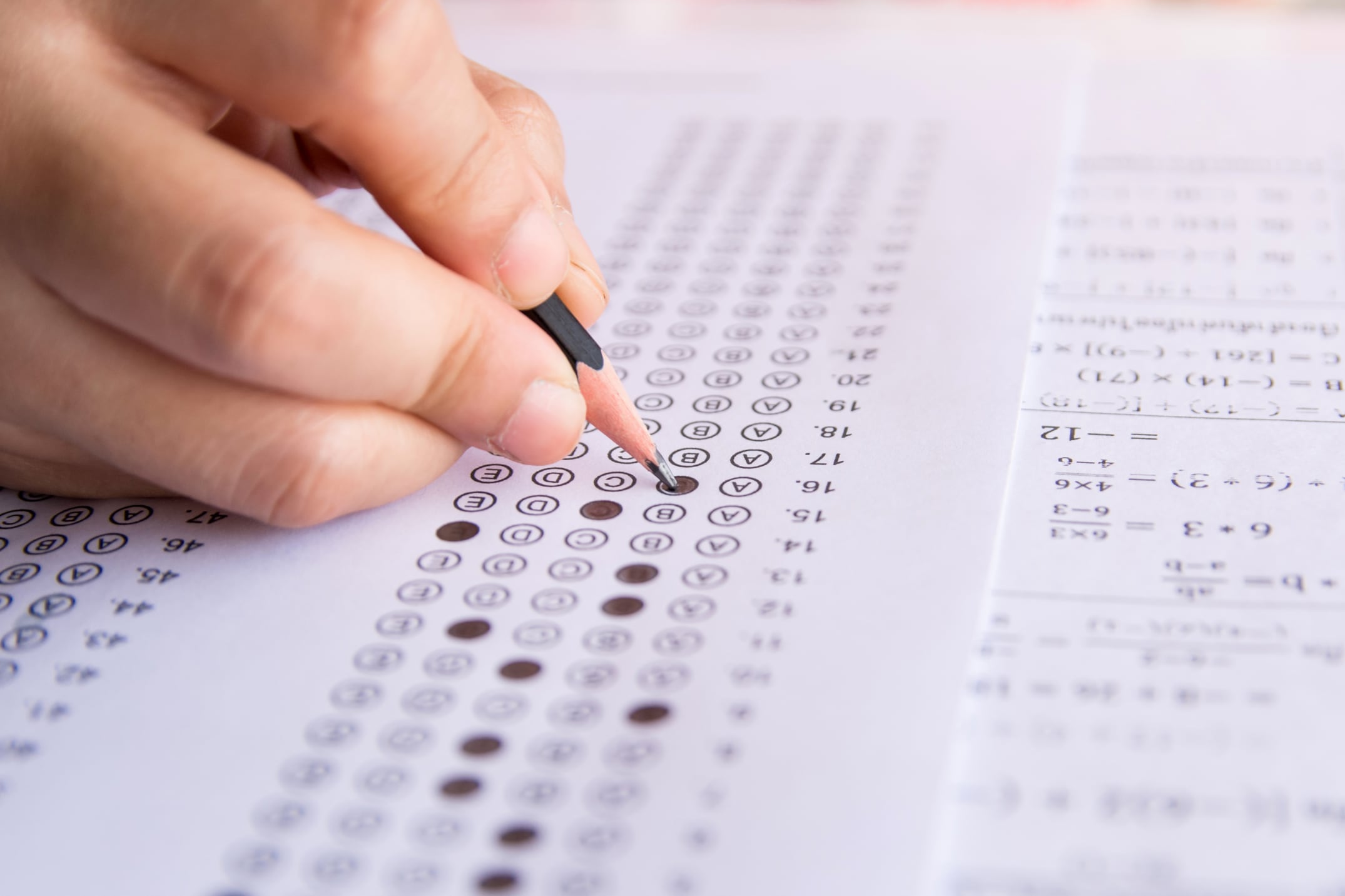
The Illinois State Board of Education approved changes to the cut scores used to determine proficiency on state standardized tests Wednesday.
The scores needed to be considered proficient in math and English language arts on the Illinois Assessment of Readiness will decrease, while the cut scores will increase for the Illinois Science Assessment. High school juniors will need to score an 18 in English language arts, a 19 in math, a 19 in science on the ACT college entrance exam to be considered proficient. The ACT scores range from 1-36.
The new cut scores will be applied to assessments taken by students during the spring and reported publicly in October. Data shared in a presentation Tuesday indicates that more students will be labeled as proficient than were last year.
Comparisons to achievement in past years, including to pre-pandemic performance, now will be difficult due to the shifting benchmarks.
Under the new cut scores, 53% of students would be considered proficient in English language arts, up from 41% last year; 38% would be proficient in math, up from 28% last year; and 45% would be in science, down from last year.
Illinois State Superintendent Tony Sanders said the move is not a lowering of standards, but rather adjusting to better match the reality of students’ abilities.
Sanders said data showed that many students in Illinois who scored at the old cut score could have entered college without remediation and earned a C or higher in credit-bearing courses.
The measure passed unanimously and board of education members spoke briefly to praise Sanders and the agency’s staff for running a thoughtful process that engaged teachers and other school staff over the past 18 months.
Becky Vevea is the bureau chief for Chalkbeat Chicago. Contact Becky at bvevea@chalkbeat.org.