Sign up for Chalkbeat Chicago’s free daily newsletter to keep up with the latest news on Chicago Public Schools.
The Chicago school board is weighing a resolution to explore offering full-day preschool to all 3-year-olds and shifting how it provides services for young children with disabilities.
The resolution, drafted by board member Anusha Thotakura, would give the district until next summer to study how families access early childhood programs and how it can better meet their needs before crafting a plan for a possible overhaul. For children with disabilities, Thotakura wants the district to consider sending staff to provide special education services in private childcare settings rather than busing children to district schools.
In a memo to school board members, CPS Superintendent Macquline King voiced strong opposition to the resolution. She suggested the administration was blindsided by it and argued the proposal could saddle the financially strained district with significant costs. King also said she was concerned that if the district starts sending special education staffers to daycares, it might also have to dispatch them to private and faith-based schools, which vie with district-run campuses for enrollment. The district conducted a small pilot starting in 2023 to provide federally required services for young children with disabilities in Head Start programs and found few families took advantage, the memo said.
But Thotakura and other board members said it’s worthwhile to study what early childhood access and services currently look like — including for bilingual students — and how the district can strengthen them. Thotakura said she understands the district’s financial constraints but argued that more robust early services could help reduce spending needed later to help students who fall behind academically.
“When we invest early in our students, that sets them up for success throughout their entire time in CPS,” she said.
The resolution echoes a campaign proposal from Hilario Dominguez, who was until recently the Chicago Teachers Union’s deputy political director and is running for school board president this fall with union support. Thotakura and other board members who voiced support for the resolution were appointed by Mayor Brandon Johnson, a staunch union ally, or elected with CTU backing.
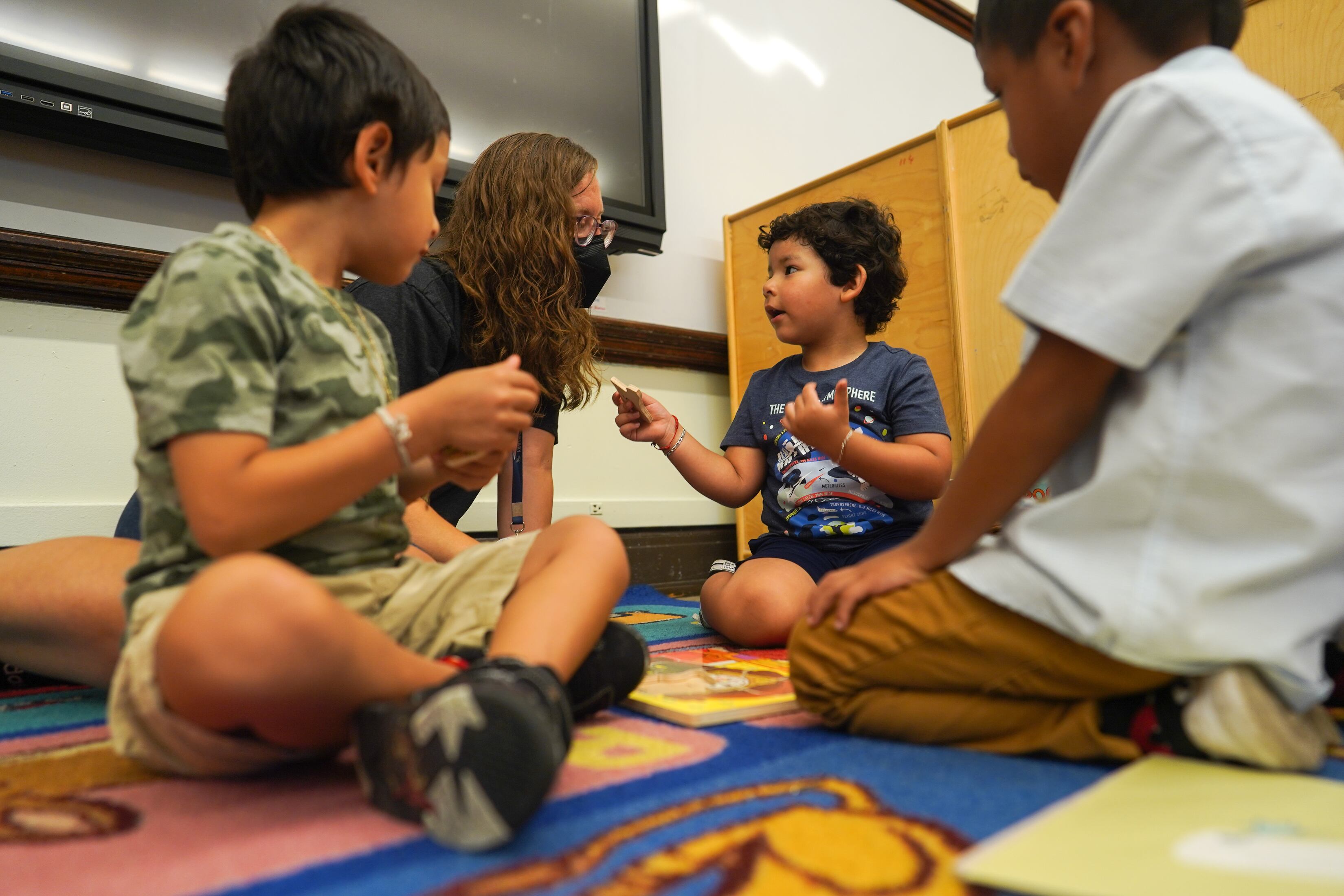
The district expanded access to preschool for 4-year-olds in recent years, and it offers programs for 3-year-olds in some schools. Those programs are generally half-day, a format that Thotakura noted is a poor fit for working families who might need full-day childcare.
Supporters on the board argued special education services in children’s childcare settings would spare them lengthy bus rides and disruptive transitions. The resolution also calls on the district to take a closer look at the city’s current Child Find system for identifying children who qualify for early childhood disability services, which Thotakura said is likely missing too many children.
School board member Debby Pope said research has shown that early childhood programs and interventions for students with disabilities can be especially helpful for children from low-income families and other disadvantaged students. She said her grandson, who has a disability, thrived after receiving special education support at his daycare in Pennsylvania.
“These types of programs can really benefit our struggle for equity and our desire to diminish the achievement gap that exists,” she said.
In her memo, King said the district was not involved in developing the resolution and that it could lead to a duplication of existing services.
“For the record, the District does not support moving forward with this proposal, given our current operational and financial context and the significant implications for students, families, schools, and District operations,” she wrote, adding that the plan could undermine the district’s credibility as it lobbies the state for more funding.
Some board members said they only learned of the resolution in recent days and have questions and concerns. Member Therese Boyle said she worries that moving some services to private childcare providers could hurt district enrollment. She also raised concerns about sending CPS staff to private schools.
“It seems like the resolution is biting off very large pieces to chew,” she said. “My head is swimming with it all, to be honest.”
Member Jennifer Custer said the board should not govern the district by resolution but instead work closely with district officials through new committees the board is launching later this year focused on student achievement, finance, and operations. Member Ellen Rosenfeld said she is concerned that a preschool expansion is something the cash-strapped district cannot afford.
“The district has to be able to implement something this massive and this expensive,” she said.
Thotakura said the board will continue conversations about the resolution in groups of five or fewer members, which would allow them to discuss it without calling a public meeting, and could vote on it later this month.
In an interview with Chalkbeat, Thotakura said she reached out several times to the district’s administration about working together on a proposal. She stressed that her resolution simply asks the district to explore the issue and identify barriers to access without committing it to take any specific action. Officials would have to develop recommendations for improving services based on next year’s study by June 30, 2028.
“The district’s memo made it seem like the resolution is asking for huge policy changes overnight,” she said.
Reema Amin contributed to this report.
Mila Koumpilova is Chalkbeat Chicago’s senior reporter covering Chicago Public Schools. Contact Mila at mkoumpilova@chalkbeat.org.