Citing efforts to bridge the digital divide as many Colorado students start the school year remotely, state officials on Wednesday announced a new effort to provide internet to the estimated 65,000 students who lack access.
Against the backdrop of Fort Logan Northgate School in the Sheridan district, Attorney General Phil Weiser announced a partnership with T-Mobile to provide free hotspots and data plans to 34,000 low-income families. The initiative, part of a nationwide program called Project 10Million slated to unfold over five years, will also provide discounts on devices such as tablets and computers.
Weiser said Colorado also filed a petition urging the Federal Communications Commission to waive restrictions that would allow school districts to extend federally subsidized broadband internet access to students’ homes. The petition argues that current rules under what’s called the E-Rate program deter and sometimes outright ban the use of program funds to extend broadband connectivity beyond school campuses.
Colorado Education Commissioner Katy Anthes announced a $2 million program that will send funds to school districts to improve internet access for students. The money, part of Colorado’s share of the federal COVID-19 relief package, will pay for hot spots, cell phone towers, and mobile trucks.
Anthes called internet access “non-negotiable” for students learning online and said the grant program is a first step toward more complete coverage across Colorado.
After the press conference, a spokesman for the Colorado Department of Education said school districts will be able to apply for some of the $2 million — officially called the Connecting Colorado Students Grant — starting in late September. The application will ask districts to describe how they’ll spend the money and how they’ll set aside a proportionate share of the funding for private schools within their boundaries.
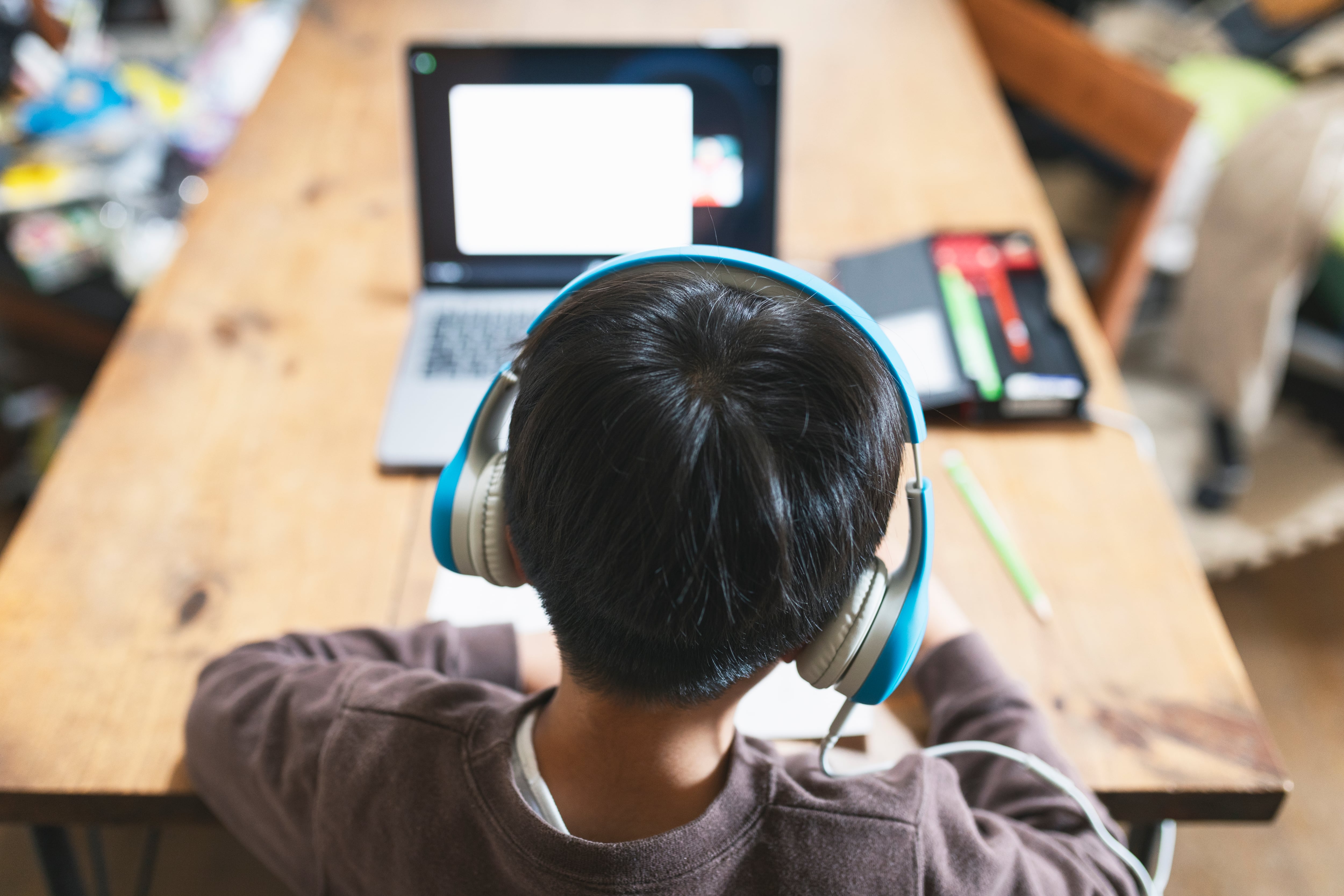
As schools across Colorado shifted to online learning in March and April, a survey conducted by the state education department and the Colorado Education Initiative found that about 53,000 Colorado students lacked a computer or tablet. Even more students — 65,860 — didn’t have internet access at home, the statewide survey found. U.S. Census data suggests the number of households without reliable internet in Colorado could be much higher.
State officials on Wednesday said disparities in internet access often harm low-income and students of color the most.
Gov. Jared Polis, who gave introductory remarks at the press conference, said expanding internet access is especially important now, and will remain so in the future.
Even “in a time period when things are back to normal, that learning-at-home component is really more important than ever before,” he said.
T-Mobile’s Project 10Million will be made available through school districts to families who qualify for free or discounted school meals. The company’s website directs school district administrators to fill out an electronic form to get on the waitlist for the program.
This story has been updated to include information from the Colorado Department of Education on the $2 million grant program.