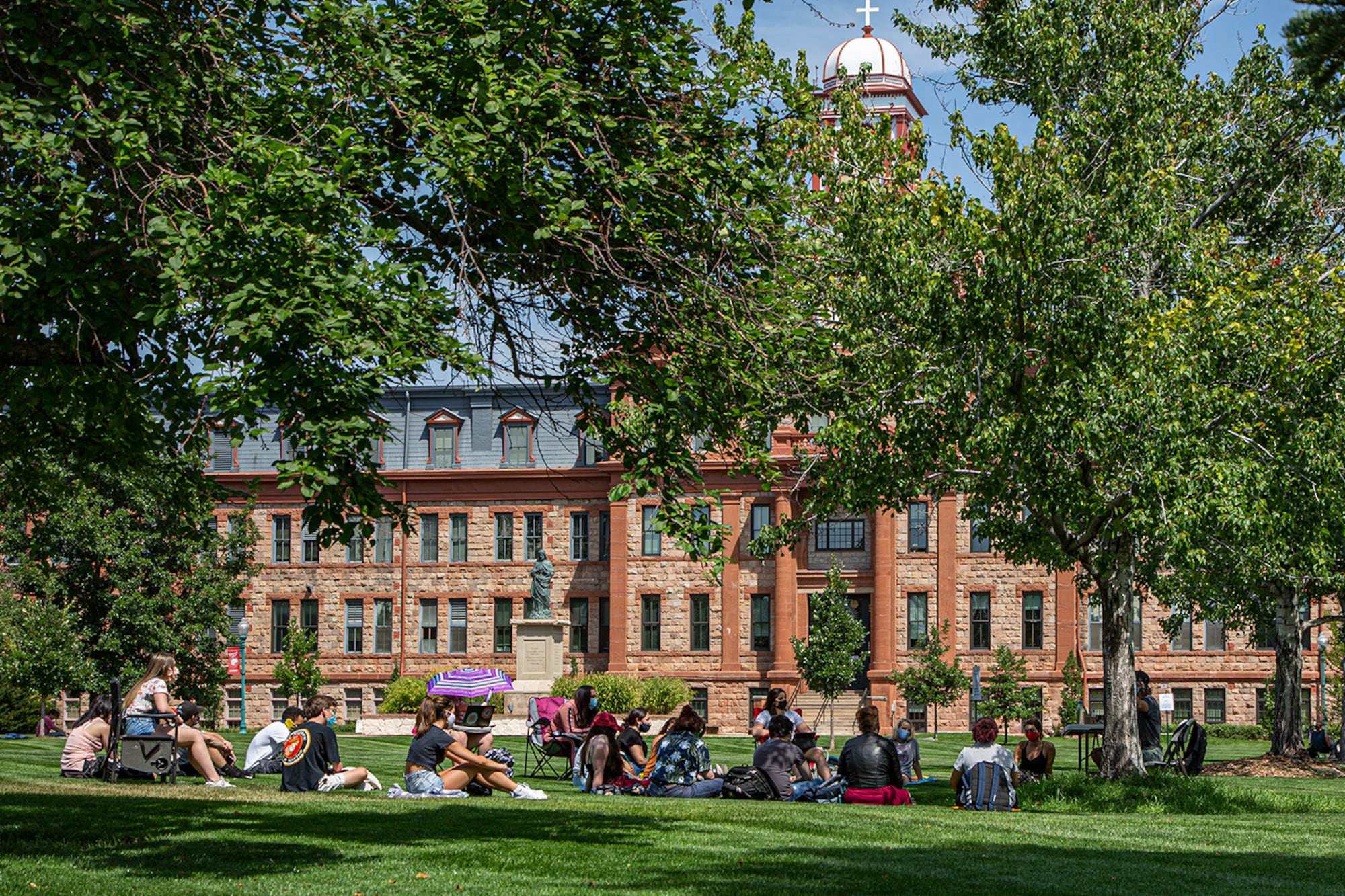
The teacher preparation program at Regis University on Wednesday won full state approval for two majors after making changes to how it trains future educators to teach children how to read.
The Colorado State Board of Education gave full approval to Regis’ elementary education and special education programs a year after granting only partial approval because board members sought further improvements to ensure reading courses aligned with science.
Regis, a private Jesuit college in northwest Denver, is the third Colorado university ordered to improve coursework on reading instruction in recent years. The University of Northern Colorado, the state’s largest teacher prep program, and Metropolitan State University of Denver faced similar mandates after earlier state reviews turned up problems.
Regis enrolls about 300 students in its elementary and special education tracks.
The state began cracking down on teacher preparation programs, specifically their approach to reading instruction, in 2018 as part of a broader push by lawmakers, state education officials, and parents of children with dyslexia to get more Colorado students reading at grade level.
Prior to the pandemic, only about 41% of third-graders passed the state literacy test, a number that dropped to 39% in 2021 — though fewer students took the test that year.
In addition to demanding more of teacher prep programs, the state now requires training on reading instruction for existing kindergarten through third grade teachers, a teacher licensing test that covers reading instruction in depth, and reading curriculum backed by science in early elementary school. The “science of reading” refers to a large body of research on how children learn to read.
Many teachers in Colorado and other states say they never learned about science-backed reading instruction in their teacher prep programs. About 60% of Colorado’s new teachers come from in-state prep programs.
Wednesday’s unanimous yes vote came two months after the state board tabled a decision on Regis because some board members worried that the state’s report on changes at the university didn’t specify how many faculty members had taken reading instruction training. Rather, it stated that the courses had been encouraged or offered. State education department staff agreed to provide board members with more information.
On Wednesday, Mary Bivens, director of educator development at the Colorado Department of Education, took responsibility for the “tentative language” in the earlier report and assured the board “that Regis University’s reading faculty have deep content knowledge and professional development in research and evidence-based reading.”
Over the past couple years, Regis has revised several reading courses, adopting new textbooks, such as “Speech to Print” by Louisa Moats, adding information on Colorado’s reading law, and more thoroughly covering dyslexia. The university also added a new course on early reading instruction to its undergraduate literacy sequence.
The University of Colorado Denver and the University of Colorado Colorado Springs are among the next group of teacher prep programs scheduled for state reviews, including scrutiny of their reading instruction courses. Those evaluations will take place this spring.