Sign up for Chalkbeat Colorado’s free daily newsletter to get the latest reporting from us, plus curated news from other Colorado outlets, delivered to your inbox.
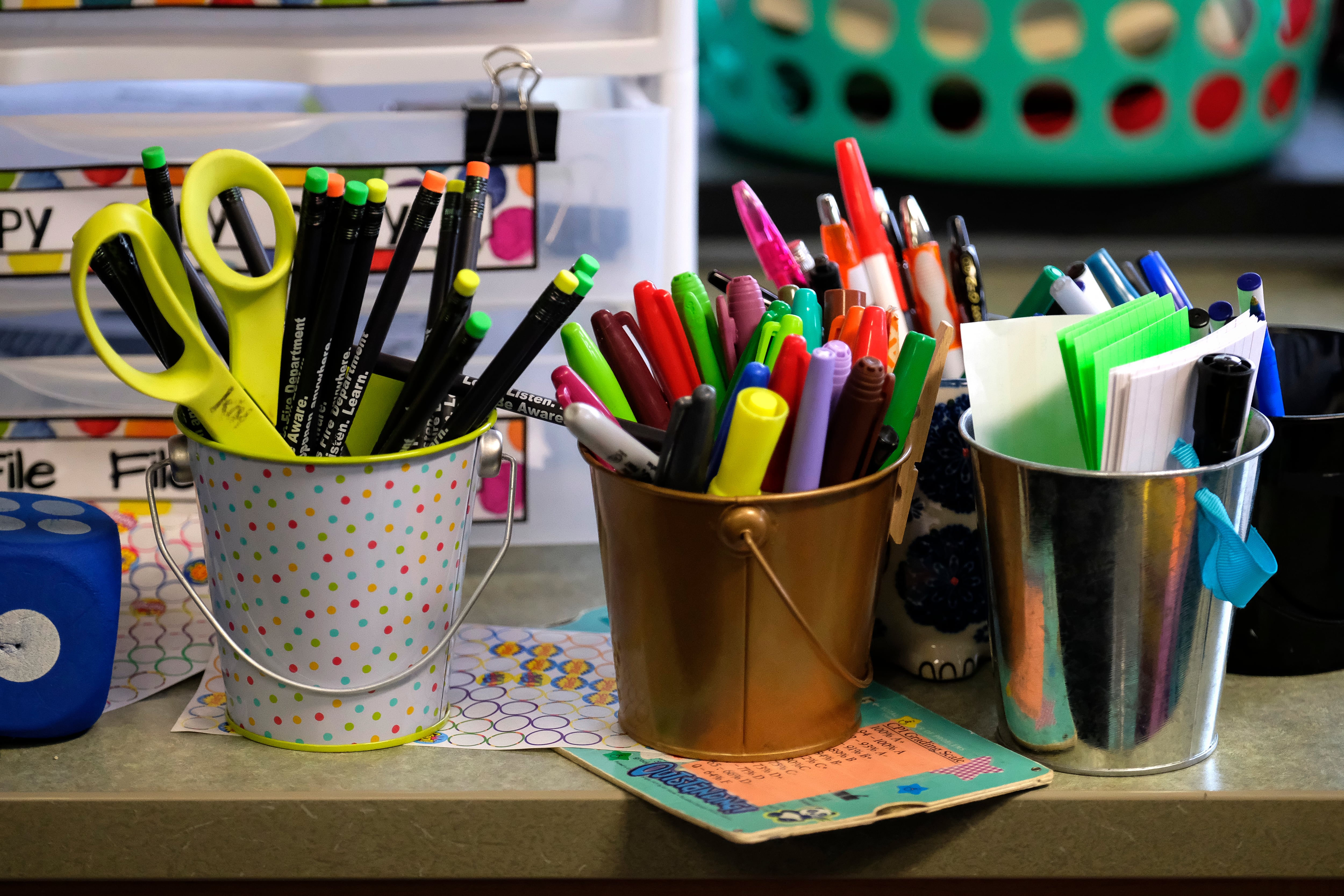
When Colorado Gov. Jared Polis announced a flash $2.7 million grant program for classroom supplies in August, thousands more teachers applied than there was money to serve.
But now many are getting a second chance. On Friday, Polis announced another $1.2 million in funding that will allow 2,348 additional awards to educators who missed out the first time. In total, the August and September grants are funding about 7,700 projects, leaving only 271 unfunded.
The grant program, which provides up to $600 per teacher, is funded by federal COVID relief money. States and school districts are in the process of allocating and spending the last of that money now.
The state is awarding the school supply grants in partnership with DonorsChoose, a nonprofit that helps teachers secure donations from the public. Teachers had to write a short essay describing how they would use the money to help students “through pandemic-impacted learning.” The state offered a similar grant program in 2023, with grants up to $1,000 awarded to nearly 7,400 educators.
Teachers who received the grants for classroom materials in August used the money for a wide range of items, including microscopes, model rockets, gardening supplies, frog dissection kits, a document camera, and Spanish-language books. In addition to paying for each teacher’s requested supplies, the state grants cover what are described on the project pages as “suggested donations” to DonorsChoose — usually $60 to $90.
Ann Schimke is a senior reporter at Chalkbeat, covering early childhood issues and early literacy. Contact Ann at aschimke@chalkbeat.org.