Sign up for Chalkbeat Indiana’s free daily newsletter to keep up with Indianapolis Public Schools, Marion County’s township districts, and statewide education news.
This article was originally published by WFYI. It was updated to include comment from a Department of Local Government Finance spokesperson.
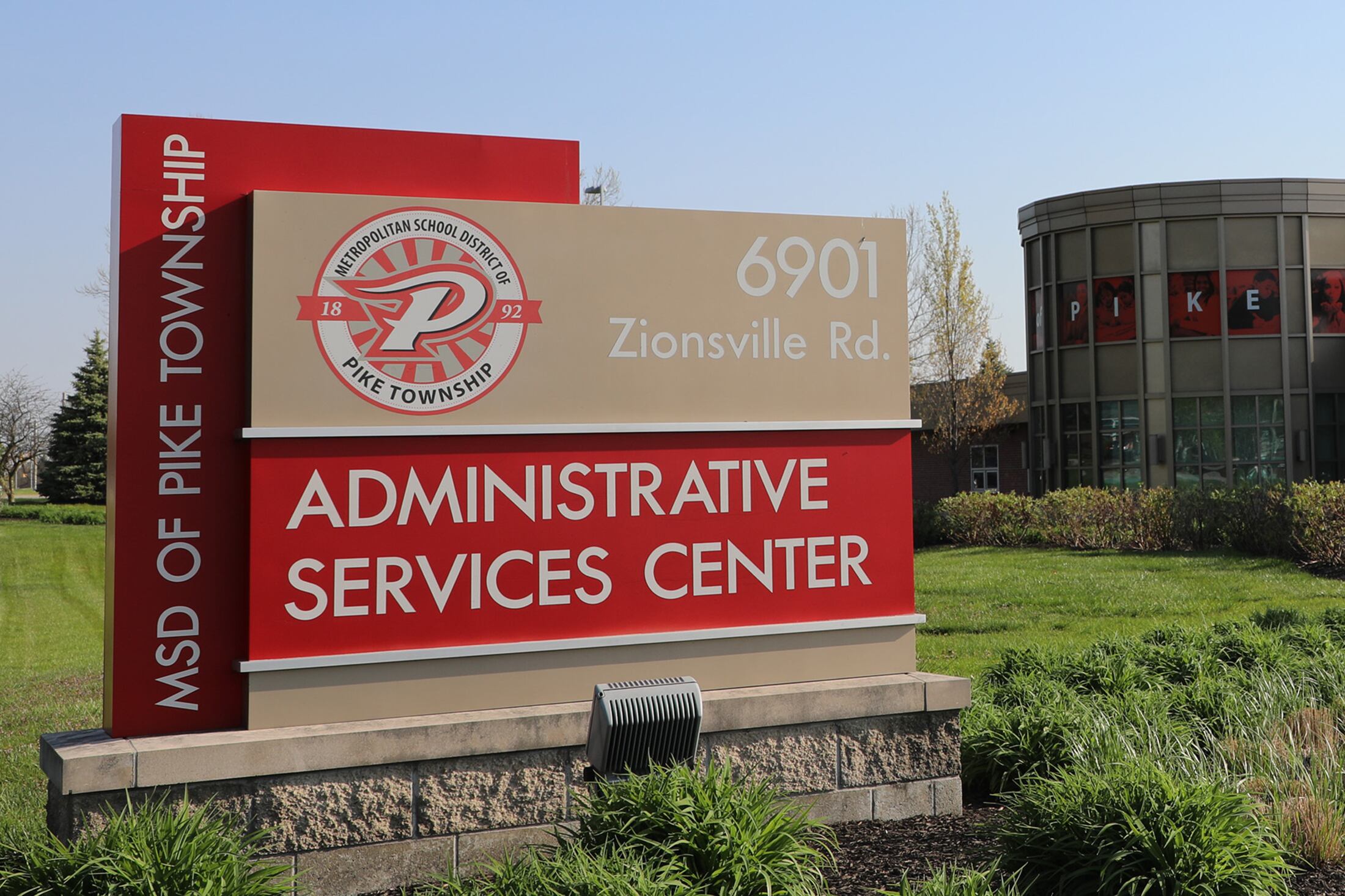
If Pike Township voters approve a $14.5 million property tax referendum to increase funding for the school district next week, a portion of the new money could be shared with Indianapolis charter schools.
It would be the first time an Indiana charter school benefits from a tax increase under a 2023 state law. The change is the result of years of lobbying by charter school supporters, who say that all public school students should benefit from local property taxes that help pay for buildings.
“This was the entire point of passing the law — so the charters could begin to get on equal ground with districts in terms of the public helping to finance facilities for these public school students,” said Marcie Brown-Carter, executive director of Indiana Charter School Network.
Charter schools are public schools overseen by a board that is not elected by voters. The schools get public funding from the state that pays for most of the cost of educating students. But they don’t typically receive local property tax revenue.
Under the new law, school districts in Marion and three other counties are required to distribute proceeds from a ballot approved levy with eligible charter schools that enroll students who live in the district boundary.
Last November, School City of Hammond in Lake County was the first school district to seek a referendum that it would have shared with charter schools under the new law. But the ballot question was defeated.
The May 7 primary election comes during a time of increased tensions in Indianapolis between supporters of traditional school districts and advocates of school choice. Indianapolis Public Schools is locked in a court battle with the state over a law that requires districts to sell unused property to charter schools for $1, and another Indianapolis district opposed a charter school opening in its boundaries.
Now, some charter school supporters worry this referendum could become another fight. That’s because Pike Township Superintendent Larry Young is questioning whether all the charter schools that want to participate in the referendum will qualify to receive a portion of funds.
Fifteen charter schools notified Pike that they intend to join the referendum. But to be eligible for funding, they must also follow other requirements — such as posting disclosure statements that include that they are not committing any crimes — and provide data on staff compensation and student enrollment.
Young told WFYI it remains to be seen whether all schools met the law’s requirements.
“There are some things that the schools have to do and so that’s something that we are monitoring,” Young said. “And assuming the referendum passes we’ll attend to that and see who actually qualifies to participate in our referendum.”
A district spending plan for the referendum shows most of the $14.5 million tax increase would cover staff pay and related expenses so the district can maintain academic support that has been paid for with temporary federal pandemic funds.
Pike estimates about $412,000 could be distributed annually among the 15 charter schools if the referendum passes. The district is not coordinating campaign support with the charter schools.
“I don’t know that that would happen, that all would qualify,” Young said, when asked how the district would adjust spending plans to share those funds. “Any amount of money taken away from Pike Township students would have an impact — absolutely.”
Brown-Carter, of Indiana Charter School Network, said operators of the 15 charter schools made every effort to comply with the law and believe they are doing so.
“The superintendent of Pike is not the arbiter of who is following the law or not,” said Brown-Carter, who advocated for the passage of the fund-sharing law. “It’s not his decision to say.”
State code does not include an enforcement provision in the law.
A spokesperson for the Department of Local Government Finance, which oversees local property tax referendums, said state code does not explicitly assign a public agency to determine whether a charter school correctly posted information on its website to satisfy eligibility requirements for referendum proceeds.
Sharing referendum funds among schools
Pike Township voters will likely not know whether their vote could impact charter schools. The law does not require the ballot question to identify if charter schools would receive a portion of a school district’s referendum.
If Pike’s referendum is approved, the property tax rate would increase for homeowners up to $0.24 per $100 assessed value for eight years. The law requires the eligible charter schools to receive a per-student share of the funds for each student they educate who lives in Pike Township.
Some of the Marion County charter schools say their plans for the funds are the same as Pike’s — to pay for teacher compensation and programs previously covered by federal aid.
Herron Classical Schools would receive a total of around $161,000 annually. The network’s three schools opted into the referendum and enroll a total of 106 students who live in Pike, according to an Indiana Department of Education estimate. The network says all funds would go toward teacher salaries.
Purdue Polytechnic High Schools would receive a total of around $35,000 annually for its 23 students who reside in Pike and attend one of its two high schools. Keeanna Warren, network CEO, told WFYI the share would go toward covering student academic supports previously funded by federal pandemic dollars, and teacher pay and recruitment.
Eligible charter schools for Pike referendum
Here are the charter schools that could receive a share of the referendum funds, according to Pike Township Schools. Estimated annual revenue share is in parentheses.
- BELIEVE Circle City High School ($13,693)
- Christel House Academy West ($7,607)
- Enlace Academy ($31,950)
- Herron Charter ($71,507)
- Herron Preparatory Academy ($30,428)
- Herron-Riverside High School ($59,335)
- IN Math & Science Academy ($82,157)
- IN Math & Science Academy - North ($33,471)
- Matchbook Learning ($6,086)
- Paramount Brookside ($10,650)
- Paramount Cottage Home ($9,129)
- Paramount Englewood ($6,086)
- Purdue Polytechnic High School North ($24,343)
- Purdue Polytechnic High School ($10,650)
- Vision Academy ($15,214)
WFYI education reporter Dylan Peers McCoy contributed to this story.
Eric Weddle is the WFYI education editor. Contact Eric at eweddle@wfyi.org.