Did you know search engines like Google are changing the way you see news? Keep Chalkbeat’s valuable education coverage at the top of your feeds by clicking here and checking the box next to our name
There’s not much time left before the Indianapolis Public Education Corporation finds out if voters have approved a $95 million property tax referendum critical to the schools under its umbrella.
At IPEC’s Thursday meeting, its last before Election Day on Nov. 3, Executive Director Karega Rausch reminded the board that “there are serious consequences if the referendum is not successful.”He pointed to IPS Superintendent Aleesia Johnson’s comments that the potential fallout of the referendum failing includes the insolvency and state takeover of Indianapolis Public Schools.
“Having the state take over our local public education system is not a good idea for our children, our families, or for our communities,” said board member Patricia Castañeda.
Since IPEC formed earlier this year, passing the referendum has been its primary priority. But the board is beginning to look ahead to future meetings, in which more details will be shared about its budget and plans for a unified transportation system, facilities, and accountability.
Rausch also promised a forthcoming reporting tool that will allow voters to follow how referendum dollars are spent at IPS and charter schools.
“These resources are going to teacher retention, development, and academic programs,” Rausch said, adding that “not a dime” of referendum money would go to IPEC.
As at the meeting earlier this month, IPEC members did not discuss recent controversial moves by IPS regarding enrollment and the Innovation Network of schools that have upset the charter school community.
IPEC to consider property tax reform, legislative session next
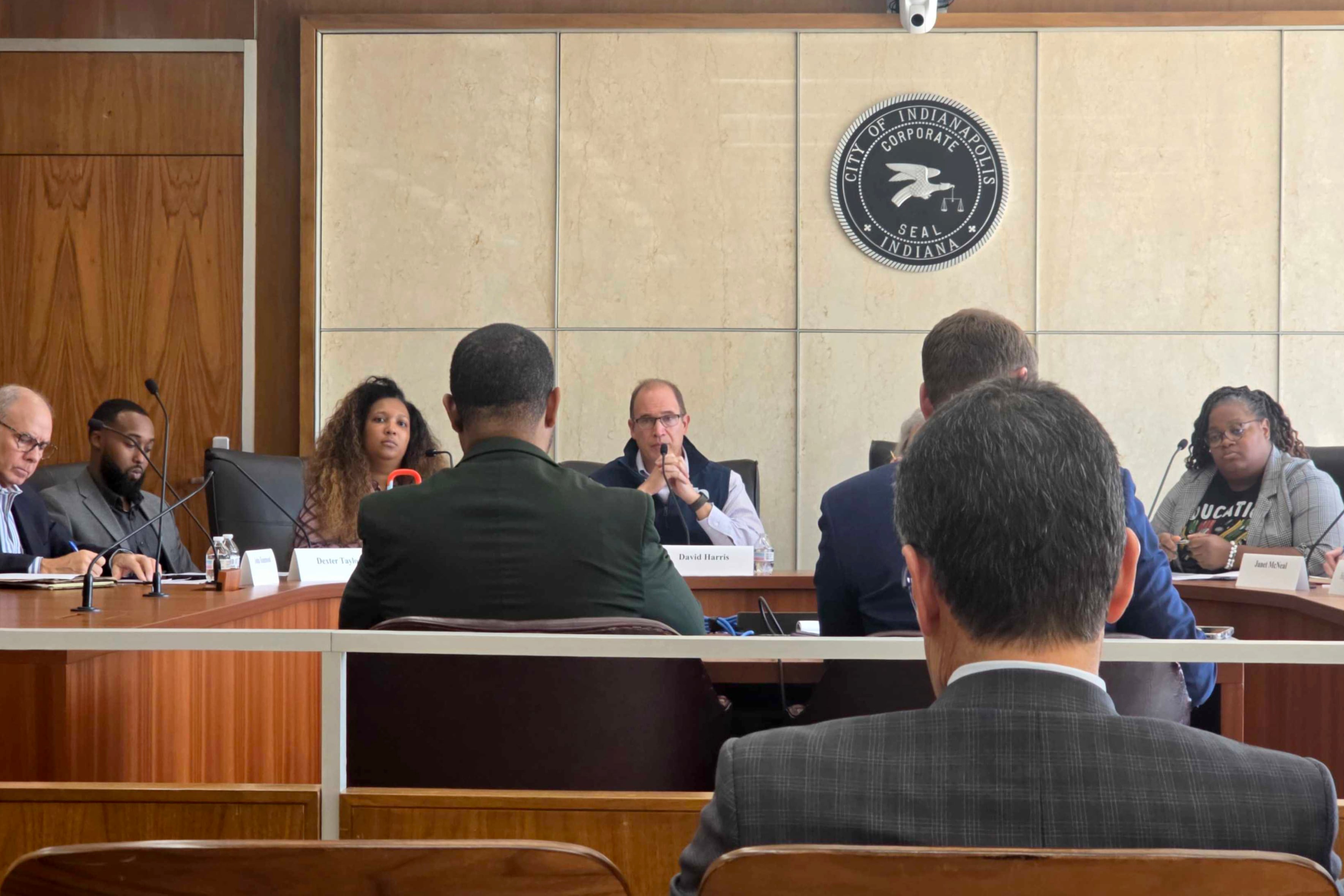
At Thursday’s meeting, the body approved its first budget and hired a policy analysis firm to prepare for the next legislative session.
The $3.2 million budget includes $1.9 million for consulting plus other outside expertise, $1 million for staff salaries, and $300,000 for physical space. The budget figure is defined in state law and represents a percentage of property tax funds available for school operations — but not referendum funds.
IPEC Chair David Harris noted that the budget was “high level,” with “a lot of planning that needs to be done.”
Rausch told board members that he expects to share more details about expenditures in November. The body may also look to fundraising to support its budget.
One spending priority might be hiring a chief financial officer or controller, Harris said.
The IPEC board also approved a 10-month financial services contract with Policy Analytics, which will provide at least 15 hours of service to the body per month at a cost of around $4,400.
Policy Analytics will help IPEC establish its budget and accounting practices, as well as analyze the potential impact of bills during the next legislative session that could affect public school revenue.
“It’s going to be a very active session as we think about property tax reform and things like that,” said Andrew Strope.
IPEC will next meet on Nov. 12 at 5:30 p.m. That meeting is expected to run longer than previous ones, Harris said.
Aleksandra Appleton covers Indiana education policy and writes about K-12 schools across the state. Contact her at aappleton@chalkbeat.org.