Sign up for Chalkbeat Philadelphia’s free newsletter to keep up with the city’s public school system.
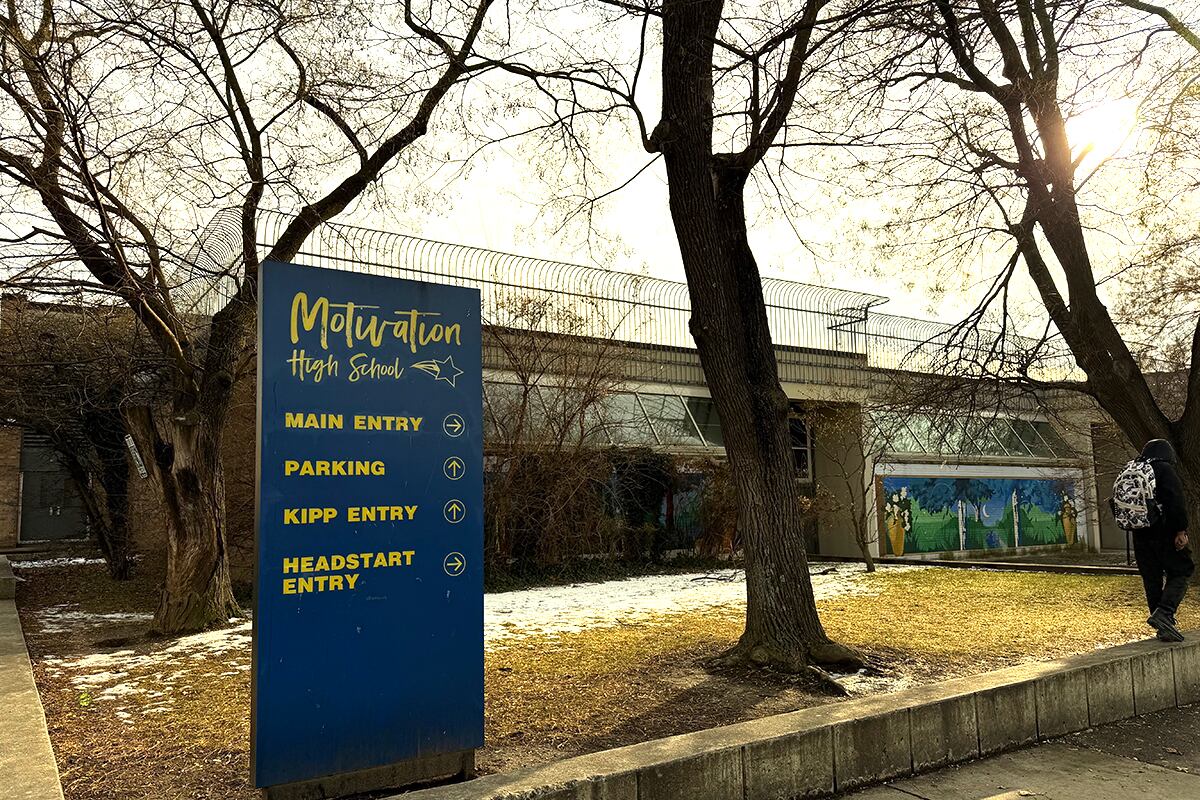
Gabriyel Ruffin likes high school well enough. But there’s one thing he wishes he could study.
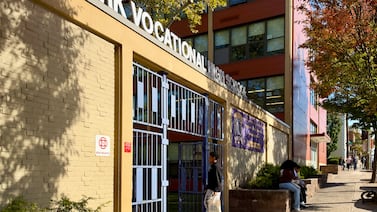
“I really love art,” said Ruffin, a 10th grader at Philadelphia’s Motivation High School who focuses on visual arts. He appreciates his school’s small size and generally feels like he can learn what he wants to — with one exception that disappoints him. Motivation High only offers one visual arts course, and it’s an introductory one.
There’s a similar story at other neighborhood and specialty high schools. In fact, ten of the district’s 55 high schools offer only one AP or IB class, which can help students get a leg up for college, according to Chalkbeat’s analysis of the district’s course data. At several, the only language students can learn is Spanish. At others, arts classes are limited to introductory music or film classes.
Meanwhile, in Philadelphia’s competitive magnet high schools like Central and Palumbo, students can enroll in more than a dozen AP classes, a handful of arts classes, and multiple language courses.
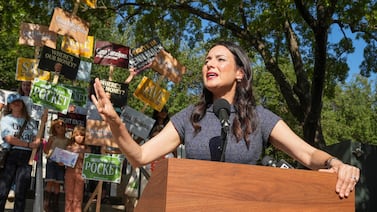
District officials say they’re working to address that disparity. Philadelphia is planning to close 17 schools beginning next year, including five high schools. Superintendent Tony Watlington has defended the controversial decision by saying they will lead to more opportunities for students, including more course and extracurricular offerings in high schools. That’s because small high schools like Motivation will absorb students from closing schools and therefore have larger budgets.
But in the meantime, educators say students at smaller schools often have few ways to channel their ambition or develop their curiosity beyond core classes. And the details about additional opportunities the district has promised aren’t clear yet. Without that information, some educators say it’s difficult to convince families confronting the closure of their small high schools that more opportunities really are on the horizon.
One district principal, who spoke on the condition of anonymity because he was not authorized to speak about the matter publicly, said if the district doesn’t offer more clarity about that issue, “it’s going to be hard to keep some students.”
Deputy Superintendent of Academics Brenda Elliott said in a statement that the district aims to provide more equitable access to courses through its facilities plan. “This will be done through facility investments across the district which will coincide with teacher, program, and curriculum updates,” she said.
Small high schools offer students fewer choices
Elliot said high school course offerings are based on a number of factors, including teacher availability, student interest, and a school’s specific curriculum goals. Some schools have an arts or science focus, while others offer courses in specific career and technical education programs.
But at some schools, educators Chalkbeat spoke to said their schools have cut elective and arts offerings over recent years due to budget constraints.
To graduate from high school in Philadelphia, students must get two credits in arts and humanities class and two language credits, along with credits in core classes like math, social studies, science, and English.
At Northeast High, the district’s largest high school with 3,500 students, students can take Arabic, French, Chinese, Italian, or Spanish to fill their language credits. They can also take several science courses to meet graduation requirements, including introduction to animal sciences and medical terminology, according to district data.
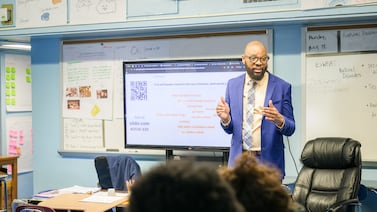
But small high schools generally offer far fewer options. (The average district high school in Philly enrolls about 700 students.) Teachers said that means students are often assigned to classes solely based on graduation requirements, not their interests.
“I feel like it’s removing so much of the student choice and joy that can come from school,” said one Philadelphia teacher at a small neighborhood high school who spoke on the condition of anonymity because she was not authorized to speak publicly.
The tension between schools’ size and their academic options is not unique to Philadelphia. In Chicago, some high schools have operated with fewer than 100 students, and their students take the same courses multiple years in a row for lack of options.
Not everyone wants the trade-offs required for more course choice. Veah, an 11th grader at Motivation, said she would be interested in more class options, especially in business. But she likes the school’s size; Motivation enrolled about 150 students last year, although next year it will absorb students from Paul Robeson High, which the district will close.
“Maybe I don’t get everything I want” at Motivation, she said. “But I get what I need.”
Researchers have found that giving students more choice in their education can drive better attendance and school engagement. That doesn’t necessarily mean offering dozens of electives. But generally, researchers have found giving students more agency can help them succeed.
Larger schools can offer course options more easily
Four years ago, Tiffany Lorch, head of student rostering at South Philly’s Horace Furness High School, began surveying all students and staff about what classes they were interested in. Now it’s become an annual practice.
Ahead of each school year, she asks teachers what electives they wish they could teach and what they believe Furness should offer students. Students rank their favorite electives, from journalism to yoga to business administration, and say whether they would like to take an honors or AP class, among other responses.
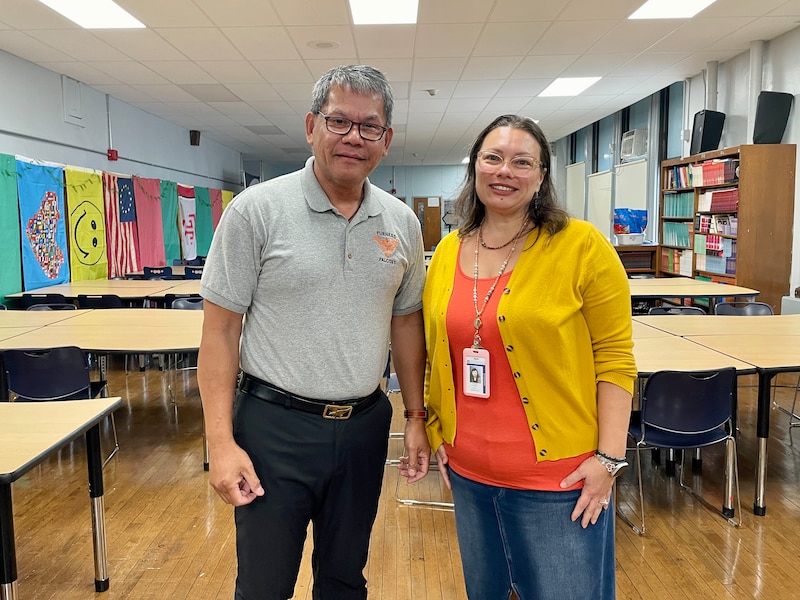
A teacher who loves film now teaches an introduction to film elective. Students interested in healthcare can now sign up for genetics or medical terminology.
“What we want is to give our kids the best, richest transcripts to get to graduation,” she said.
But doing so takes time and resources that other schools may not have.
Furness, with around 830 students, is slightly larger than the district’s average high school. Lorch can dedicate all her time to rostering, while those in her position at smaller schools often teach classes as well.
In some schools, students interested in higher level courses take classes at the Community College of Philadelphia or online. But that takes some of the highest-performing students off campus, said social studies teacher John Pat Leary, who has taught at multiple district high schools. And if students don’t like that option, they remain stranded when it comes to coursework.
“There’s nowhere for that ambition to go,” said Leary. “They can kind of feel like, well, there’s nothing here for me.”
At Furness, Principal Daniel Peou said he applies for grants and additional funding to help provide additional electives and opportunities for students.
Offering more choices, he said, helps students across all classes.
“The climate is a lot friendlier in the building,” he said. “Kids are getting what they need.”
Rebecca Redelmeier is a reporter at Chalkbeat Philadelphia. She writes about public schools, early childhood education, and issues that affect students, families, and educators across Philadelphia. Contact Rebecca at rredelmeier@chalkbeat.org.