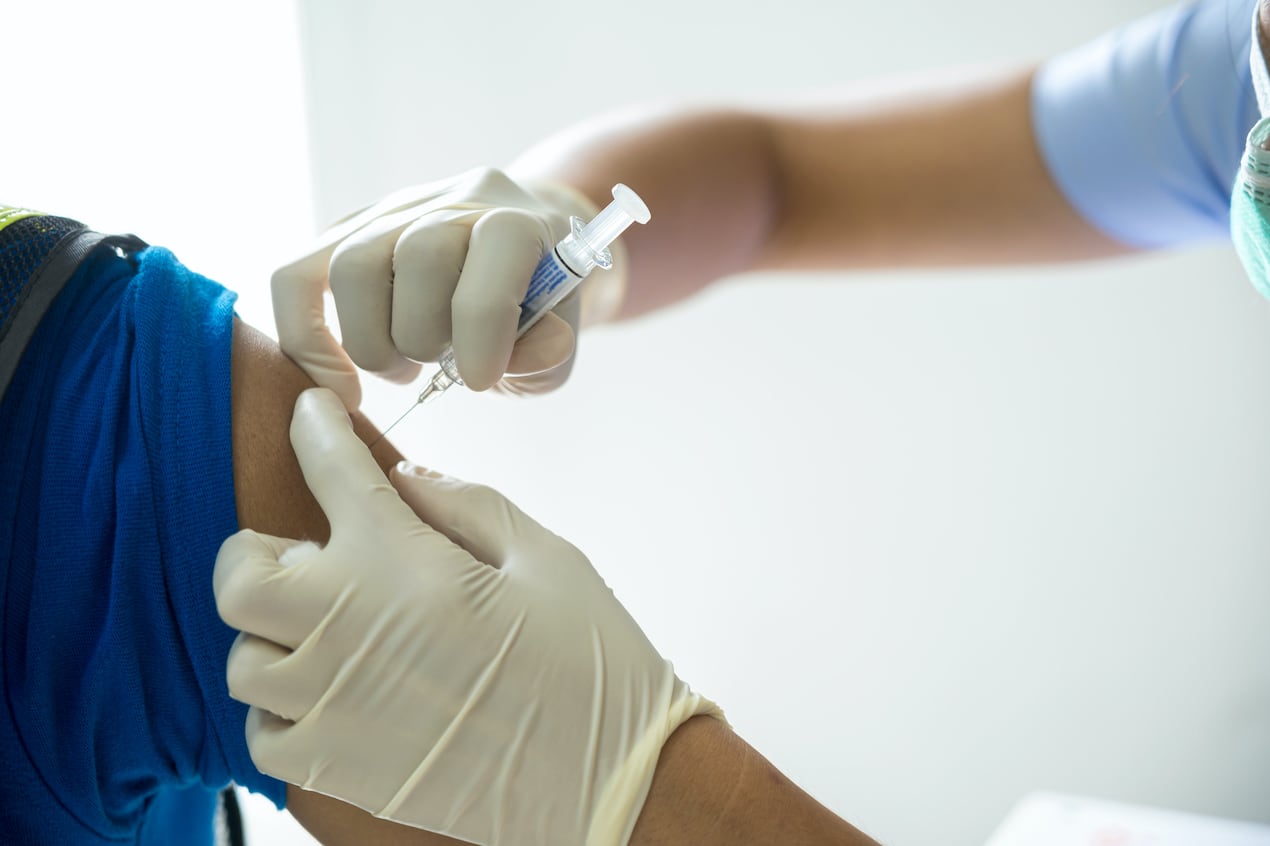
Tennessee has moved up teachers and child care staff on the priority list for receiving a coronavirus vaccine in hopes of getting and keeping students in classrooms during the pandemic.
The change, outlined in a revised distribution plan released on Wednesday, means that K-12 educators and school staff should be able to get their shots in the first few months of 2021. Previously, they were designated as part of the second wave of vaccinations, expected to happen in the spring.
The shift, announced by the state health department, comes as districts struggle to keep their schools staffed in one of the nation’s hotspots for virus spread. Two weeks ago, Tennessee began giving its first inoculations to frontline healthcare workers.
“COVID-19 vaccines remain limited at this time, and Tennessee’s allocation plan prioritizes those most at risk of illness and death from COVID-19,” said Health Commissioner Dr. Lisa Piercey. “The plan also prioritizes critical infrastructure workers who have direct public exposure or work in environments posing a higher risk of exposure to the virus that causes COVID-19.“
The change aligns with new recommendations from the Centers for Disease Control and Prevention. Earlier this month, an advisory panel for the nations’s health protection agency recommended elevating teachers and other essential workers as part of the first phase of Americans receiving the vaccine. That group, which also includes firefighters, police, and grocery workers, previously fell in the second wave of vaccinations.
Tennessee is currently vaccinating health care providers, first responders working directly with the public, and staff members and residents of long-term care facilities.
Under the updated plan, teachers will come next, leapfrogging over adults with two or more high-risk conditions, as designated under the previous plan. They’ll be able to get their shots during the same phase as Tennesseans ages 75 and above — and before those in the 65-74 age bracket.
During a morning briefing with reporters, Piercey said the decision to bump up teachers and child care workers stems from their importance in stabilizing society and the economy — not because of the rate of virus spread happening in schools, which is low, according to the data.
“When you talk about risk to society and the economy, we know how critically important schools are to the functioning of our society and our economy — not only keeping kids in schools so they can learn and be educated but also keeping parents at work. If the kids are in school, then parents can go to work,” she said.
The leaders of several teacher organizations praised the change.
“Indications have been that the vaccine is relatively safe, which was a major concern for many educators,” said JC Bowman of Professional Educators of Tennessee. “Safety of educators and students remains a critical priority to us as we seek a return to a normal academic structure.”
Beth Brown, president of the Tennessee Education Association, called access to the vaccine “a critical step to safely resuming in-person instruction.”