Partnerships to prepare young children for kindergarten and high school students for careers in the trades, mobile classrooms in retrofitted buses, and intensive tutoring efforts are among the initiatives Colorado will fund through its federal coronavirus relief money.
Gov. Jared Polis announced Tuesday the first set of grants issued through the Response, Innovation, and Student Equity Education Fund, known as RISE. The bulk of Colorado’s coronavirus relief money earmarked for education has gone to school districts and institutions of higher education. While that money has mostly funded schools’ immediate response to the pandemic’s challenges, Polis also set aside discretionary relief dollars for longer-term improvements to Colorado’s educational system.
The $32.7 million fund will go to programs that support students of color and those from low-income backgrounds — groups that have been disproportionately hard-hit by the coronavirus crisis. Funding will also support efforts to help high school students find pathways into meaningful careers.
The first round of grants account for almost $13 million in new initiatives. Many of the programs address problems that long predate COVID-19, including low rates of kindergarten readiness, as well as low rates of high school graduates attending college and graduating with a degree.
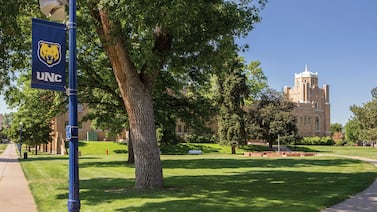
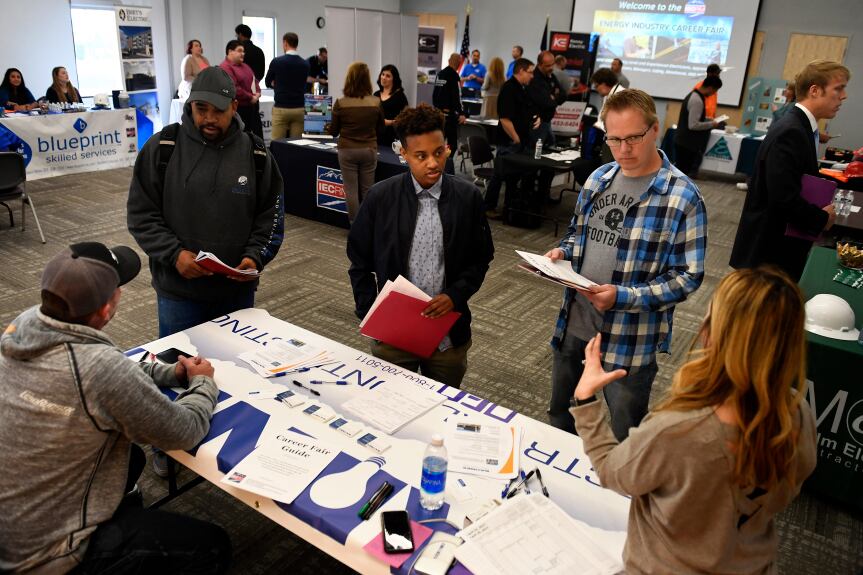
The single largest grant is $3.6 million for Fort Lewis College in Durango to work with Pueblo Community College and southwest Colorado school districts to build pathways into building trades and careers in the environmental sciences. The University of Northern Colorado will get $2.4 million to work with the Greeley-Evans Weld County 6 school district to improve kindergarten readiness among children with disabilities. And Metro State University of Denver will receive $2.4 million to develop structured educational pathways that connect with students of color and rural students starting in ninth grade and encourage them to go to college and graduate with good job prospects.
Other programs funded in the first round of RISE grants include:
- $492,000 to the Lake County School District for a mobile learning center that will be housed in a repurposed school bus to bring school-based resources and learning opportunities directly to students.
- $723,000 to the charter schools Academy of Advanced Learning in Aurora and Coperni 2 and Coperni 3 in Colorado Springs to advance a “one classroom, three locations” instructional model and provide credit to students for experiences, not just academic learning.
- $852,500 to the Peyton School District to develop a postsecondary and workforce-readiness program in partnership with neighboring postsecondary institutions.
- $297,500 to Silverton School District to expand family outreach and support families’ basic needs, such as food, rent, mental and physical health.
- $555,900 to the Elizabeth School District for a partnership between nearby districts Big Sandy, Calhan, and Elbert, and the Colorado Education Initiative to develop intentional career pathways in cybersecurity, construction, and agriculture.
- $846,320 to the Montrose County School District for a partnership between Hilltop Family Resource Center, Center for Mental Health, and local police departments to address adverse childhood experiences.
- $851,370 to the Centennial School District for a partnership with History Colorado to integrate local San Luis Valley history into social studies, civics, and history curriculums.
- $375,700 to the Clear Creek School District to create a student-led recovery plan.
- $277,600 to the state Charter School Institute to provide targeted academic support to students at all three campuses of the New America Schools. Polis founded the New America charter network, which primarily serves immigrant students.
- $482,000 to Centennial BOCES for a partnership between the Immigrant and Refugee Center of Northern Colorado, the University of Northern Colorado, and Colorado State University to improve student and family outcomes for migrant families.
The next round of RISE grant applications is due Dec. 19.