Dozens of Colorado school districts and charter schools are buying new math and reading curriculum with help from $10 million in federal pandemic relief.
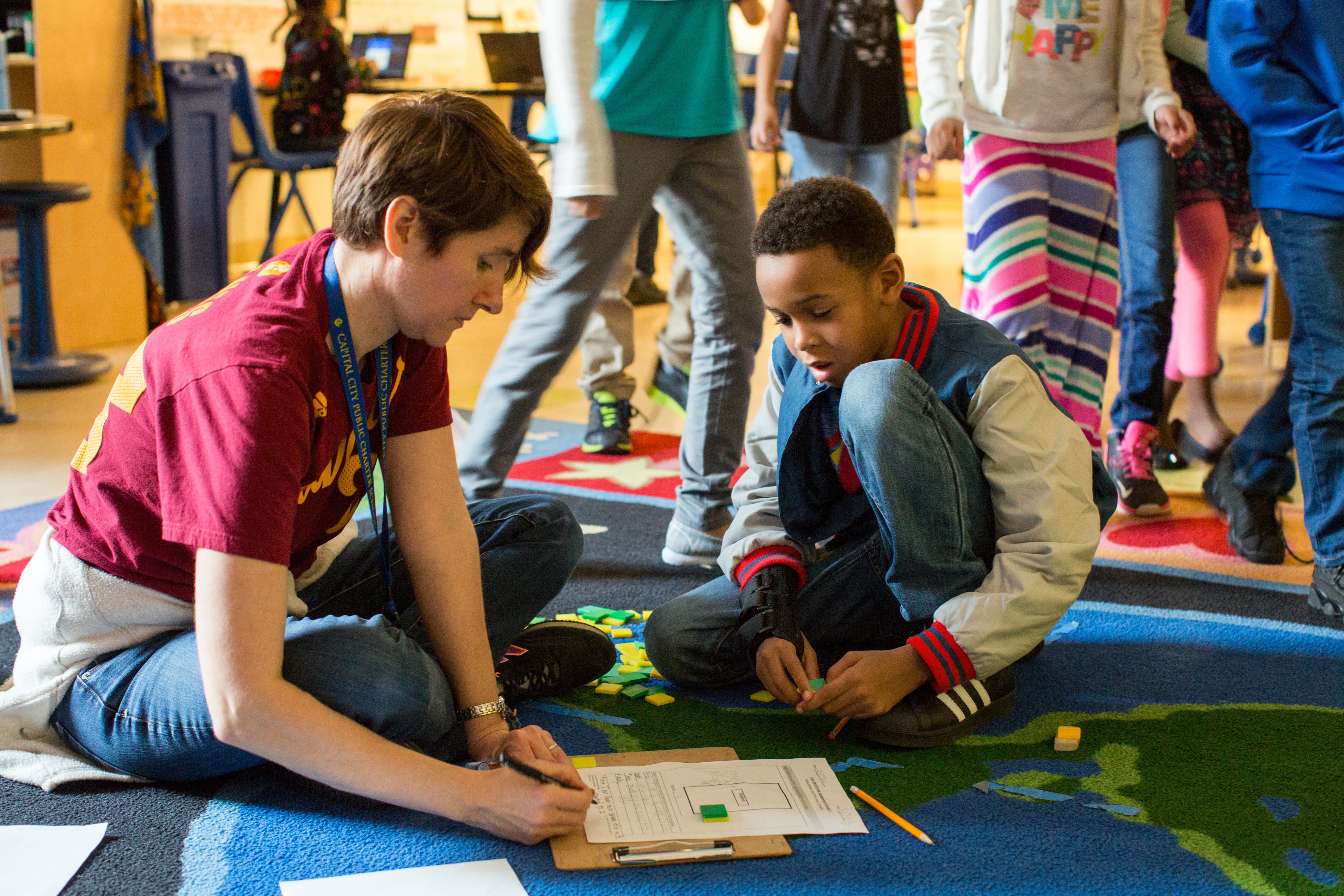
State officials announced Wednesday that 42 districts and 28 charter schools will receive grants to purchase reading curriculum for early elementary grades and math curriculum for elementary and middle school.
The $10 million is a small chunk of the $180 million set aside for state-level efforts to help schools with COVID recovery. More than $1.5 billion in additional federal relief funding went directly to school districts.
The curriculum grants come at a time when many Colorado districts are adopting new K-3 reading curriculum to comply with a 2019 state law that requires them to use programs backed by research on how children learn to read. While there’s no similar law covering math curriculum, education department rules say the grants can only be used for certain math programs — specifically, those that earned top “green” ratings from EdReports, a national curriculum reviewer.
In addition to Colorado’s reading law, efforts to reverse pandemic learning loss have fed the push to replace old or ineffective curriculum. Such programs can be pricey and districts typically can afford to replace them only every six or seven years.
State curriculum grants went to a variety of large and small districts that serve larger numbers of students with high needs, for example those who come from low-income families, are dual language learners, or spent a lot of time in remote learning during the pandemic. Among the large districts receiving the grants are Jeffco Public Schools, Adams 12 Five Star Schools, Colorado Springs District 11, and Greeley-Evans District 6.
Ann Schimke is a senior reporter at Chalkbeat, covering early childhood issues and early literacy. Contact Ann at aschimke@chalkbeat.org.