Did you know search engines like Google are changing the way you see news? Keep Chalkbeat’s valuable education coverage at the top of your feeds by clicking here and checking the box next to our name.
On Nov. 3, Colorado voters in three congressional districts will select a representative for the University of Colorado Board of Regents.
The election features one open regent seat in Colorado’s 2nd Congressional District after Democrat Callie Rennison announced last year she won’t run for reelection. Colorado’s 6th and 7th district races feature Democratic Party incumbents. The regents serve six-year terms.
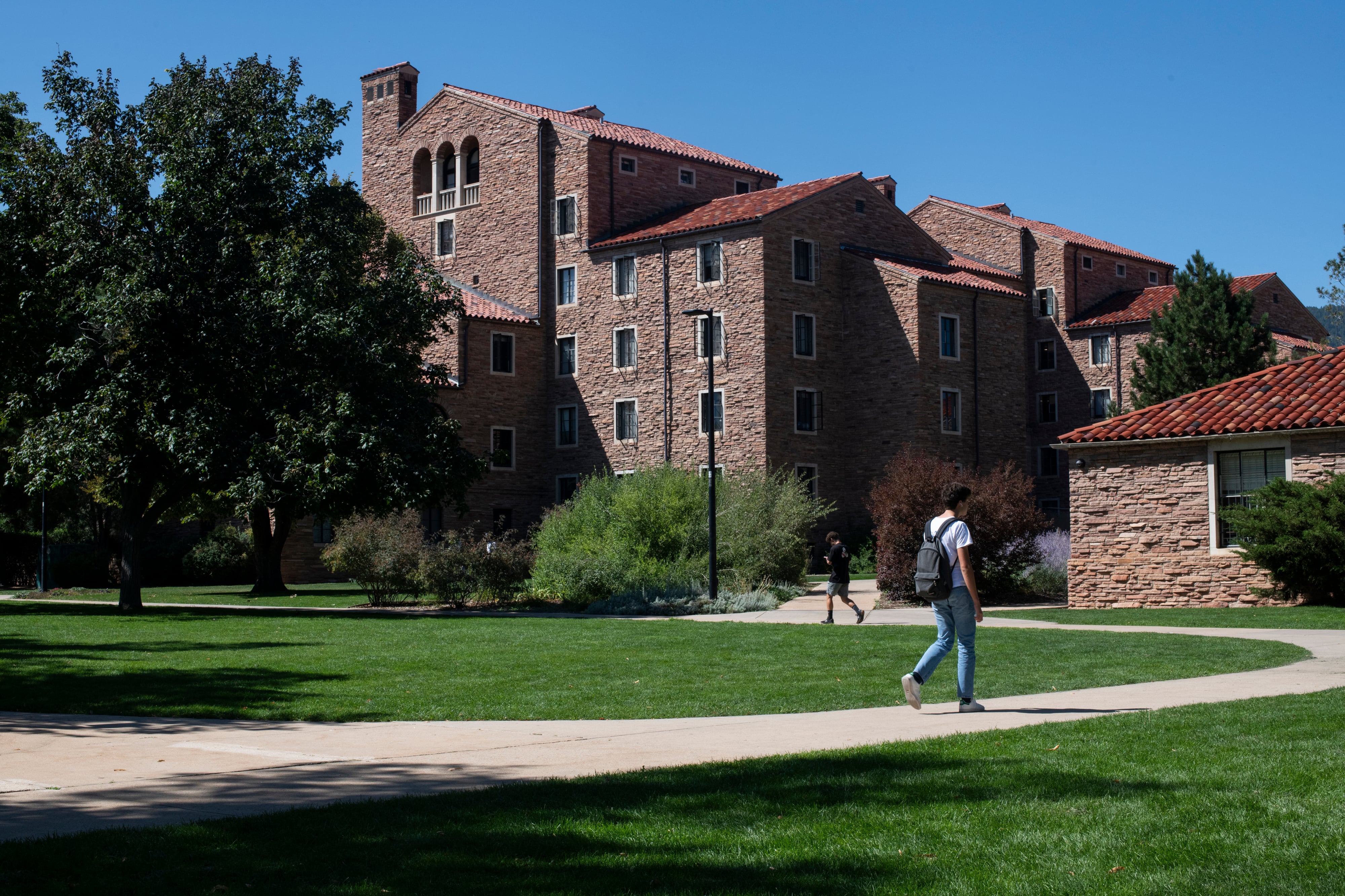
Democrats currently have a 5 to 4 majority control of the board, which creates policy and makes funding decisions that govern CU Boulder, CU Denver, CU Colorado Springs, and the state’s medical campus CU Anschutz.
Ahead of the election, candidates from each district answered Chalkbeat Colorado questions about how they would respond to five issues if elected.
Jason Gonzales is a reporter covering higher education and the Colorado legislature. Chalkbeat Colorado partners with Open Campus on higher education coverage. Contact Jason at jgonzales@chalkbeat.org.