Sign up for Chalkbeat Tennessee’s free newsletter to keep up with statewide education policy and Memphis-Shelby County Schools.
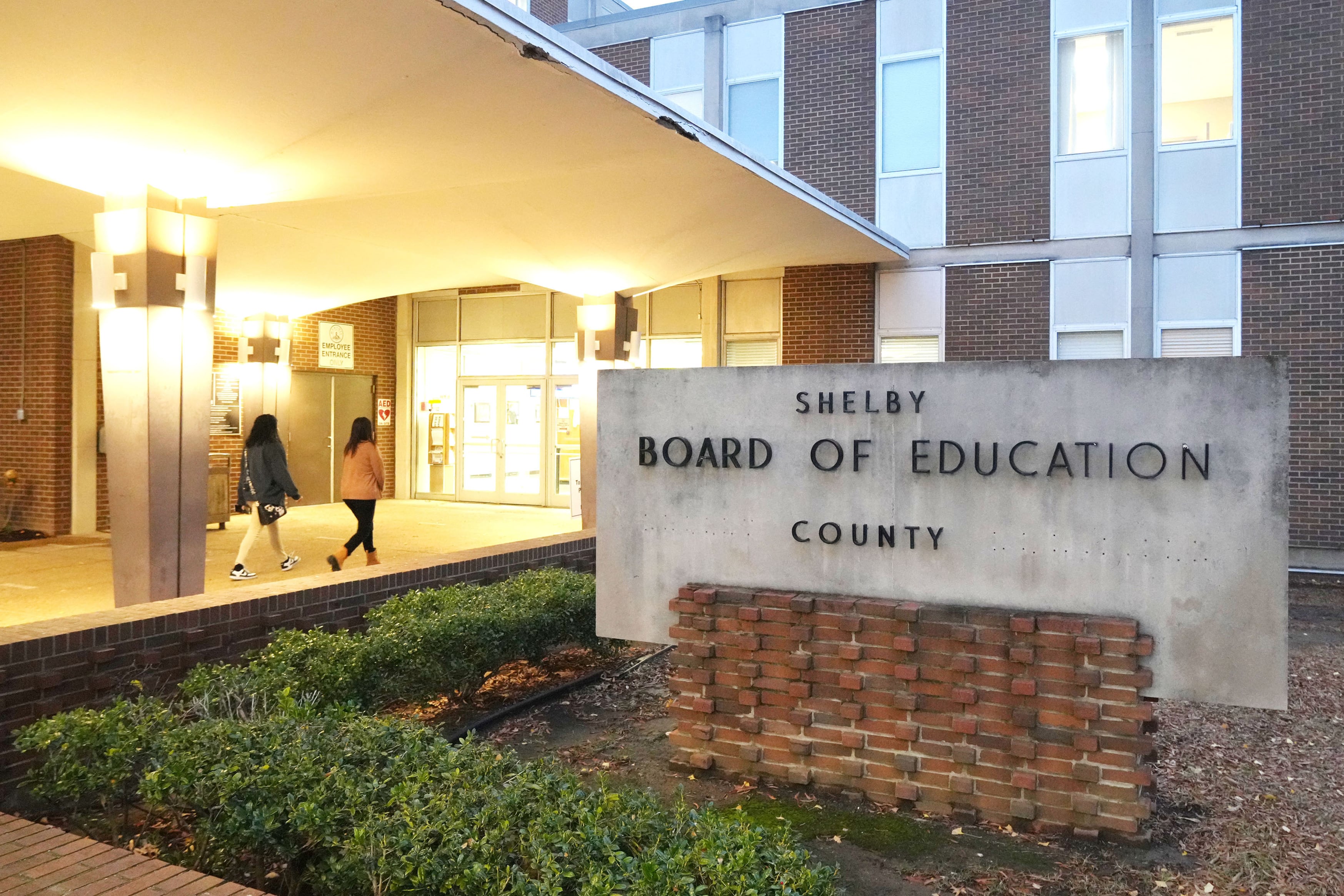
In an early win for Memphis school board members suing over the 2026 election, the Shelby County Election Commission is no longer issuing candidate petitions for five contested district seats.
In an emailed statement Thursday, elections administrator Linda Phillips said the commission would stop issuing petitions for Districts 2, 3, 4, 5 and 7 citing a temporary restraining order issued by Chancery Court Judge Melanie Taylor Jefferson on Jan. 7. The Chancery Court clerk said a signed order is not yet available.
Candidates are required to submit petitions with signatures in order to qualify for the May 5 primary election.
The order is the latest twist in an unprecedented election that’s putting all nine MSCS board seats on the ballot at the same time, beginning with a partisan primary for the first time. The school board filed an initial lawsuit against the election commission in December, saying that the reset election is unconstitutionally shortening the terms of five incumbent members.
The temporary restraining order came one day after the five Memphis-Shelby County board members who currently represent those districts requested the pause of election preparations, a move the state attorney general said would cause “electoral chaos.” The Daily Memphian first reported news of the judge’s decision Thursday morning. A hearing on the measure is scheduled for 10 a.m. Jan. 26.
Candidates began picking up petitions on Dec. 22. Twenty-two challenger candidates have already pulled petitions, signaling their intent to run against incumbents in the contested districts.
Incumbents Natalie McKinney, Stephanie Love, Tamarques Porter, Sable Otey and Towanna Murphy are part of the lawsuit and represent the districts affected by Wednesday’s restraining order.
None has picked up their 2026 petitions, despite all except Love confirming to Chalkbeat in December that they will seek reelection if the lawsuit fails.
Here are the candidates who have already picked up qualifying petitions for the May 5 primary. The deadline to qualify is Feb. 19.
District 1
- Michelle R. McKissack (incumbent), Democrat
- Natoria Sherell Carpenter, Democrat
- Tamara Thompson, Democrat
District 2
- Norman Ray Redwing, Democrat
- Marcus Randolph, Democrat
- Ernest Gillespie (ran in 2024), Democrat
- Alexis Agnew, Democrat
- Jeffery Scarbrough, Republican
- Laquita Shanta Jones, Republican
District 3
- Tarnika Love-Anderson, Democrat
- Verlean Kelly, Democrat
- Jesse Kirk Jeff (ran in 2024), Democrat
- Valerie Wright, Independent
- Keith Antonio Houston, Independent
District 4
- Darlene W. LeSueur, Democrat
- Michelle Renee Jones, Democrat
- Cynthia A. Gentry, Democrat
- Patty Peters, Democrat
District 5
- Adrianna Butler, Democrat
- Vonetta Jones, Independent
- William David Kelly, Republican
- Carmilla Wheeler, Republican
District 6
- Juliette Eskridge, Democrat
- Contessa Glorianna Humphrey, Democrat
- Frederick Dewayne Tappan, Independent
District 7
- Danielle La-sha Huggins (ran in 2024), Democrat
- Tamika Abrum, Democrat
- Sonia P. Warr, Independent
District 8 (Incumbent Amber Huett-Garcia will not be running for reelection.)
- Toshina Williams-Webb, Democrat
- Alfred Dexter Dyson, Democrat
- Ayleem Connolly, Democrat
- Newton Morgan, Independent
District 9
- Jonathan Carroll, Democrat
- Damon Curry Morris, Democrat
- Louis Morganfield, Democrat
Bri Hatch covers Memphis-Shelby County Schools for Chalkbeat Tennessee. Reach Bri at bhatch@chalkbeat.org.