As a fire in December consumed her house, fear gripped Felicia Garcia.
She wondered where she would live, and if she could return to school at Metropolitan State University of Denver in the spring.
“One of my main concerns, for sure, was not being able to continue on my academic journey,” said Garcia, 20. “It’s really important to me, and I was really scared.”
Garcia decided to resume her sophomore year despite the fire and found an outpouring of support thanks to the school’s Student Care Center. The staff connected her with government benefits and supported her during her most trying moment — work they hope to expand in the fall.
The school will launch a pilot program to help the lowest-income students, those who qualify for public benefits.
Initially, the program will serve 70 students with funds from the Denver Foundation. School officials want to expand the program in future years.
MSU Denver Vice President for Student Affairs Will Simpkins estimates that more than half of the school’s over 19,000 undergraduate students could be eligible for the program known as HOPES, or Heightening Outcomes for Public benefit Enrolled Students. It will offer social services case management, academic advising, and on- and off-campus resources like food and housing.
Planners hope the program will connect students in need, with resources so they have a clear mind to focus on college.
“You take that anxiety away,” Simpkins said, “and it allows students to be students.”
Peter Concepcion, who will lead the program, said sometimes it only takes 15 minutes to assess a student’s everyday needs and figure out how to help change their life and academic trajectory. But students also need ongoing support, Concepcion said, for instance, in submitting applications to renew benefits and address any new home or school issues that crop up. The HOPES program will try to fill those gaps.
“This will give students a person to turn to,” Concepcion said. “I hear from a lot of students that say they know the school offers support for students and benefits for students but they never say it’s a specific person.”
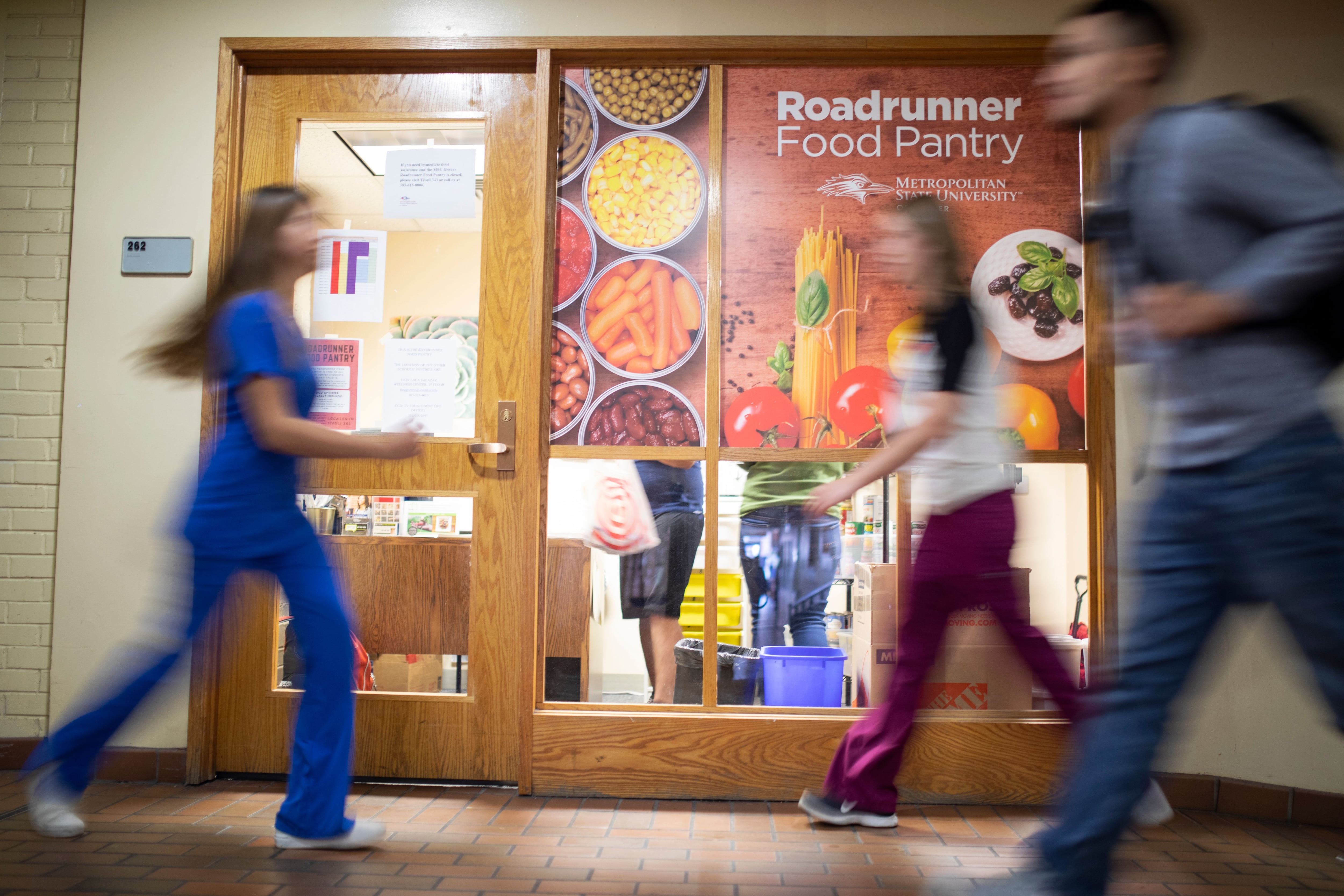
The program will also expand existing resources such as food pantries and clothing sources. It may host workshops on life skills, such as teaching students self care, especially when they are experiencing adversity.
The major challenge will be connecting students with local resources, which vary by county, Simpkins said.
Simpkins hopes the HOPES program may prove successful and expand, and that the state will share data on students receiving public benefits. Currently, the only way the school knows if students have government benefits is if they tell the school, he said.
Garcia has applied to take part in the inaugural program. She said it’s comforting to know that the school wants to help more students facing tough life challenges.
“I felt like I had the resources I needed to be successful,” she said.
It’s nice, she said, to have a person in her corner who cares about her life.