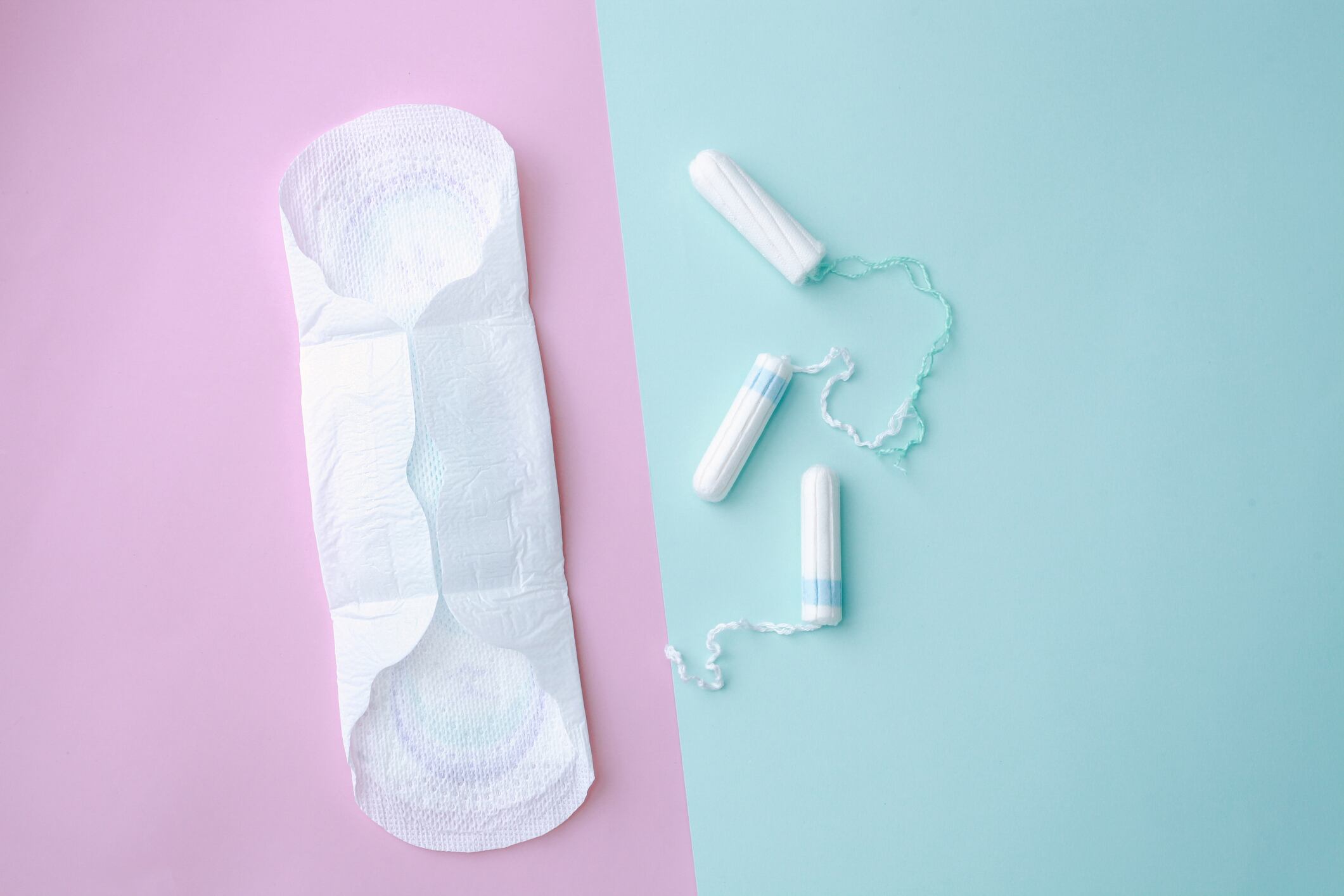
The Denver school board wants to make sure free pads and tampons are available in school bathrooms for years to come. The board is set to cement in policy the district’s practice of stocking K-8, middle, and high school bathrooms with menstrual hygiene products in an effort to ensure that no students have to miss class because they can’t afford them.
“We’re hoping that we’re ending the stigma,” said board Vice President Tay Anderson, “and that future generations will normalize seeing these products across the Denver Public Schools.”
The practice of stocking bathrooms began in earnest a year ago, when secondary students returned to school after nearly a year of remote learning due to the COVID-19 pandemic.
It was spurred by the advocacy of a student at George Washington High School who has since graduated. District officials said they were working to start providing free period products in the spring of 2020 when the pandemic hit, temporarily putting their efforts on hold.
From November 2020 to January 2021, tampon and pad dispensers were installed in 813 bathrooms in 74 school buildings with the help of volunteers from Home Depot, according to a district presentation. District officials previously said the dispensers were installed in girls’, women’s, and all-gender bathrooms, which each school is required to have.
It cost about $30,000 to buy the dispensers and an initial stock of products, said Trena Marsal, the district’s executive director of facility management. In May, a local donor, the Cushman Neal family, donated 59,000 more pads, tampons, and liners from an eco-friendly company called TOP the organic project. Marsal said the district has not yet had to order more.
Marsal estimates it will cost about $12,000 per month, or $108,000 per school year, to keep the initiative going. Of the 74 participating schools, 39 have had to be restocked in the past year, she said. Marsal has also sent products to a few elementary schools that have asked for them.
The school board could vote as soon as next month on a measure that would direct the superintendent to “regularly maintain and re-supply easily accessible menstrual hygiene products for students in need.” The requirement would officially go into effect next school year, though there’s no indication the district would pause the initiative before then.
“This program is a prime example of student voice,” Marsal said. “A student is who brought this to us, who emphasized the need for the program, and the district listened.”