Did you know search engines like Google are changing the way you see news? Keep Chalkbeat’s valuable education coverage at the top of your feeds by clicking here and checking the box next to our name.
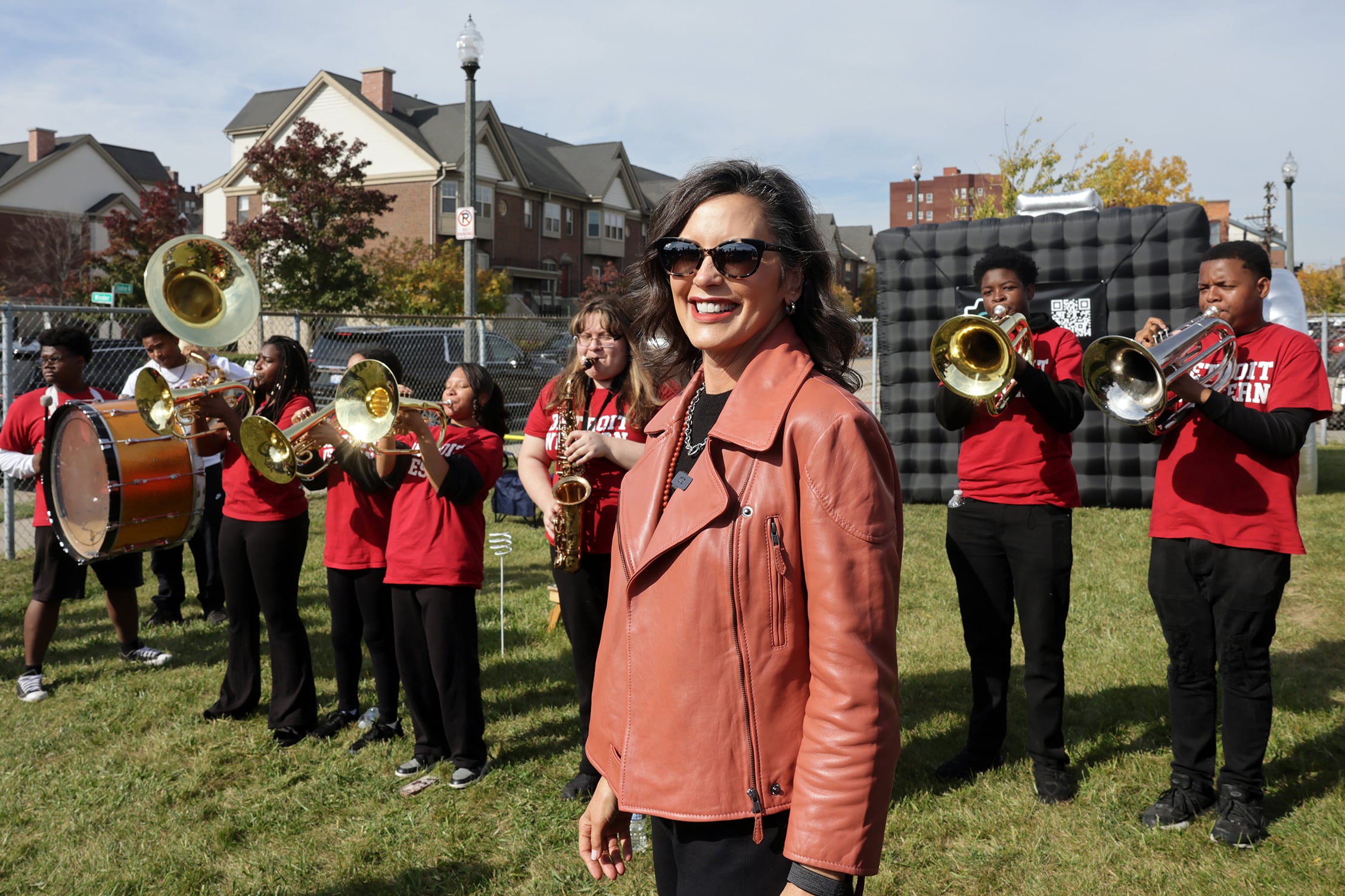
Michigan Gov. Gretchen Whitmer is one of five Democratic governors who are asking the treasury secretary for clarity on what they described as significant questions about the federal scholarship tax credit program.
The program will provide a dollar-for-dollar tax credit, up to $1,700, for taxpayers who donate to scholarship-granting organizations. Those organizations can then use those donations to provide money to families for things such as private school tuition, tutoring, and other educational expenses.
“We seek clarity on whether and how the program can provide meaningful opportunities for public school students while avoiding unintended consequences that could divert resources from or otherwise weaken our public education systems,” the letter says.
The letter was sent days after Michigan Attorney General Dana Nessel penned an op-ed in the Detroit Free Press in which she said she has “grave concerns” about whether the program violates the Michigan Constitution.
“Michigan law prohibits public money from supporting private schools,” Nessel said. “While this program concerns federal dollars, Michigan officials, including the governor, would be charged each year with identifying the scholarship organizations and verifying each organization’s eligibility.”
That is work, Nessel said, that would “involve substantial time and effort and, therefore, state money. If so, it may run afoul of our state constitution by using public resources to support attendance at private schools.”
Thirty-one states have opted into the program, but Michigan is one of 19 states that have not yet made a decision for the coming year. The letter detailing questions about the program was sent to Treasury Secretary Scott Bessant Oct. 22.
Education Week reported on the letter Monday.
Here are the issues the five governors raised about the program:
- They asked about oversight and whether states can impose requirements such as student data safeguards that go beyond federal rules.
- They asked about the full scope of what expenses would be allowable for students attending public schools.
- They raised concerns about whether there would be federal funds available to compensate states for the costs to oversee compliance.
- They asked about how waste, fraud, and abuse would be handled.
- They wanted to know what steps a state can take to encourage access to scholarship dollars for students from low-income homes.
A federal response could determine decisions that states currently on the fence will make about participating in the program. The governors said they need the “information necessary to make fully informed decisions about participation.”
In addition to Whitmer, the letter was signed by Massachusetts Gov. Maura T. Healey, Connecticut Gov. Ned Lamont, New Jersey Gov. Mikie Sherrill, and California Gov. Gavin Newsom.
States have until Jan. 1 to opt in to be eligible to receive funding from the program when it begins in 2027.
Lori Higgins is the bureau chief for Chalkbeat Detroit. You can reach her at lhiggins@chalkbeat.org.