
Federal policy and reform

Democratic Gov. Jared Polis was an early adopter of the Trump-backed idea. But his term is coming to an end, and his successor might not be keen on reupping for 2028.
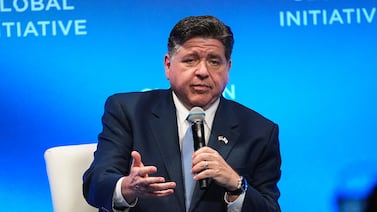
The program could raise billions for schools, but some elected officials say it should focus on helping the neediest students.

The tax credit launches in 2027 and could become one of the largest sources of federal funding for schools.
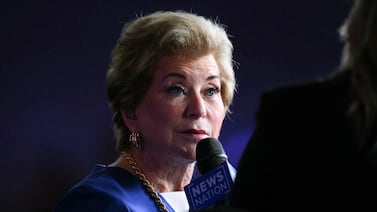
The Education Department’s return to 2020 rules cements a polarizing approach to campus sexual assault investigations and LGBTQ student protections.

Democrats are pressing the Department of Homeland Security to revive a previous policy that would restrict federal immigration enforcement near schools.
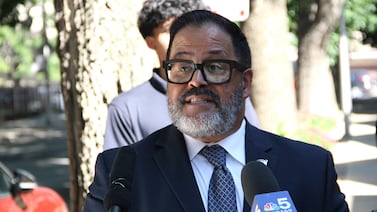
The scholarship program, which rolls out next year, has raised questions of equitable access for all students and its implications on public school funding.

Low- and high-poverty districts tend to spend more than those in the middle. This Chalkbeat Ideas roundup also examines where COVID relief went, why testing moved online, and whether “college for all” was ever really the message.
The change limits how officials can use data about discipline, admissions, and advanced classes to investigate possible racial discrimination.

The backlash to classroom technology is colliding with a basic reality: Many required exams now happen on computers.

The policy chips away at a 1982 Supreme Court decision guaranteeing a free K-12 education for immigrant students.
One reason: Voters aren’t prioritizing it either.
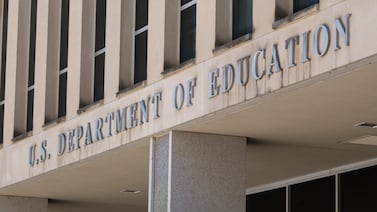
The U.S. Department of Education says long-delayed federal civil rights data on suspensions, expulsions, Advanced Placement courses, bullying and more will be released later this summer.

An internal estimate from a school choice group suggests it could cost $300 or more to persuade each taxpayer to participate — potentially complicating efforts to scale the new tax credit.

The Trump administration says it wants less federal control of schools. But state education leaders describe a messier reality: modest waivers and funding pressures

It’s the latest in an ongoing back-and-forth between Republican federal officials and Chicago Public Schools.

The latest Chalkbeat Ideas roundup examines state control of schools, federal funding politics, shrinking enrollment, school ratings, and the limits of test-score data.

“Public resources should strengthen public schools,” Pamela Pugh, president of the State Board of Education, said during a Tuesday meeting.

The Digest of Education Statistics once served as a one-stop shop for facts about American schools. Now many of its core tables have not been updated in more than a year.

A new Chalkbeat Ideas roundup examines whether school reform delivered, how much education research deserves trust, and whether Democrats still hold an edge on education. It also looks at a study on free books and a quieter truth behind college closures.

A bipartisan group of U.S. senators has asked Education Secretary Linda McMahon to rescind a grant application they say could dramatically shift the mission of TRIO’s Talent Search program.