Sign up for Chalkbeat Newark’s free newsletter to get the latest news about the city’s public school system delivered to your inbox.
The national literacy nonprofit Reading Partners came to Newark two years ago to help tackle the city’s literacy gap.
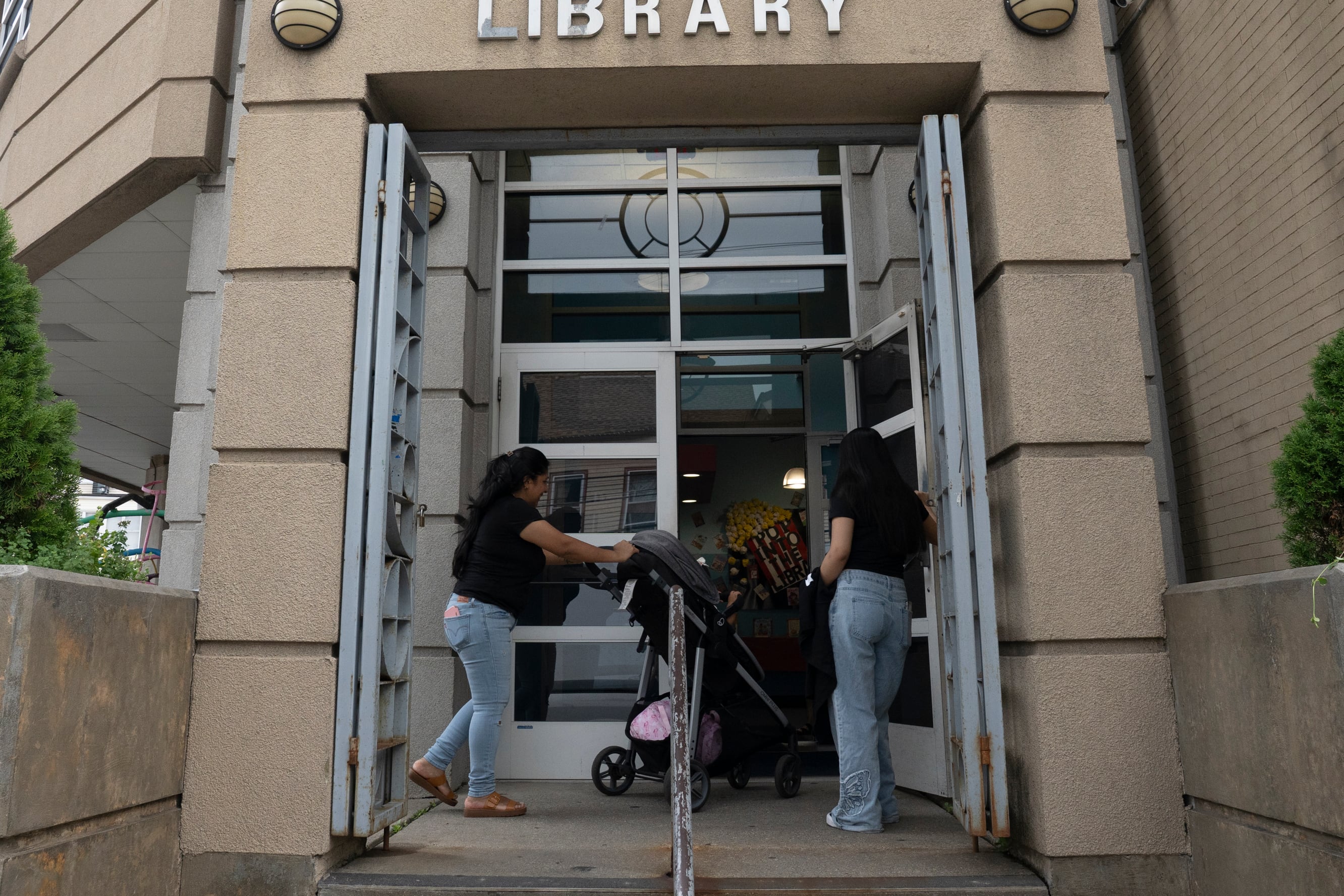
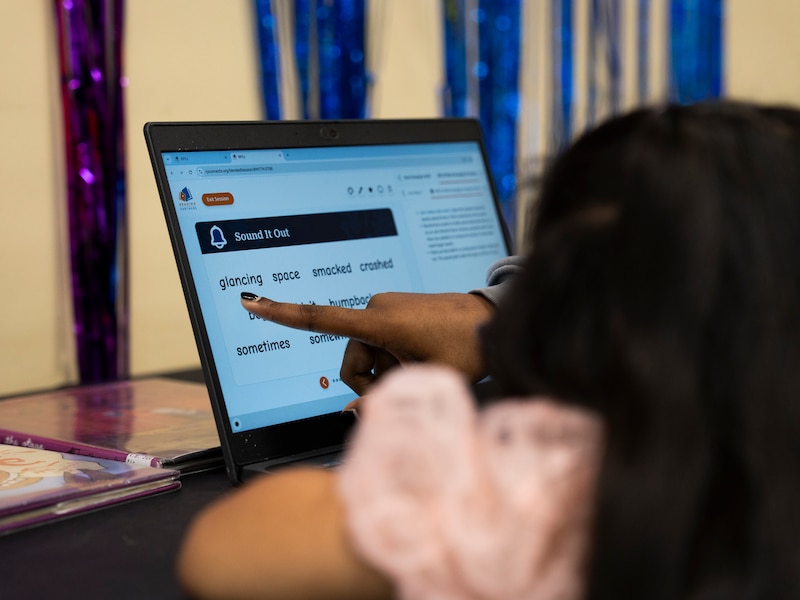
This past school year, the group recruited 500 volunteer tutors to provide one-on-one support to Newark’s youngest readers online or in person across city libraries. The tutors were trained in research-backed methods like the science of reading to prepare for the summer sessions.
But only about 200 students signed up for tutoring, and program leaders say making parents aware of the program has been a challenge.
The Reading Partners program provides reading support to kindergarten through fourth grade students and enrolls students on a rolling basis. The group said there’s still time to join, and any parent can sign their child up for one or two 45-minute tutoring sessions per week this summer or throughout the school year. The summer reading program ends Aug. 31 and in-person and virtual tutoring during the school year restarts on Sept. 28.
Daniela Palacios, the founder of Para KIDS! set a goal to sign up at least 15 students for its first bilingual summer camp. She got eight. At the Van Buren Branch Library in the East Ward, Christopher, a rising fifth grader at Ann Street School whose family is from Brazil, spelled out the word “generous” in English and Spanish.
Three years ago, only 19% of public school third graders read on grade level, prompting Mayor Ras Baraka to launch a 10-point action plan built on community partnerships, local initiatives, and city events. Reading Partners and Para KIDS! are among the organizations struggling to get students through the door for tutoring despite the clear need. Both say filling seats has been difficult this summer.
Last spring, only 34% of Newark Public Schools’ students in grades 3-9 passed the state’s English Language Arts test. Although that was an improvement from levels right after the pandemic, students are still behind. City leaders continue to raise concerns about low reading rates, but if programs built to close literacy gaps can’t fill their own seats, the challenge isn’t a lack of resources. It’s getting families to use them.
Naima Ricks, managing director of partnerships and growth for Reading Partners, said part of the challenge is that the organization is fairly new to the city. Reading Partners came to Newark in 2024 with funding from the GreenLight Fund Greater Newark, which recruited the national nonprofit to fill the city’s need to offer free, personalized tutoring outside of schools, said Tish Johnson, the fund’s executive director.
Ricks isn’t sure why more parents aren’t signing their kids up. Summer can be a tough enrollment time for academic programs nationwide as vacations and work schedules can make it difficult to convince parents and their kids to practice their reading skills during the summer months. Lower-income families are also less likely to participate in summer learning opportunities or day camps due to cost and a lack of awareness about what’s available.

“We’re still figuring out the best ways to connect with parents and other caregivers to get their students signed up for tutoring,” Ricks said.
Reading Partners recruits college students, retirees, and anyone who wants to support students learning to read. The program started a new partnership with the Newark library this year and expanded to all city libraries this summer. It tutored 300 students this past school year and has roughly 200 this summer, according to Ricks. But that’s just a fraction of the more than 20,000 kindergarten through fourth graders enrolled in Newark charter and public schools in 2025, according to the New Jersey Children’s Foundation data explorer tool.
Palacios, a Newark Public Schools alum and Columbia University graduate, thinks the current political landscape could be a factor. She started the bilingual camp to help students embrace their multicultural backgrounds and practice English and Spanish with their peers. She specifically targeted East Ward families for the program, an area where the majority of residents speak Spanish or Portuguese.
But ongoing immigration enforcement in the East Ward has made some parents afraid to visit the library at all, Palacios said. Just last week, three staff members at the Van Buren Branch library told Chalkbeat they saw Immigration and Customs Enforcement officials arrest someone in front of the building.
Ariana, a rising fifth grader who’s homeschooled, said she loves the bilingual summer camp because it helps her practice her Portuguese so she’s able to talk with her grandparents, who don’t speak English.
Like Reading Partners, Palacios shared flyers about the program, posted videos on social media, contacted school principals in the area, and tapped East Ward Councilman Michael Silva to raise awareness about her program. She still fell short of her enrollment goal.
“I feel like there’s a lot of opportunity here in Newark, and it’s just a matter of making (parents) feel comfortable during these times, like feeling like, oh, this was made for me,” Palacios said.
Johnson, of the GreenLight Fund Greater Newark, wants to find better ways to connect families to literacy support and other resources like housing and food assistance.
“I think there’s just a lack of knowledge that these things exist and a lack of coordination to help families get access to multiple services,” Johnson said.
Maylin Vargas said her mom wanted more reading opportunities for her brother Mateo, a rising first grader at Lafayette who attends Reading Partners, this summer. Her mom learned about the program from another parent at school. Mateo doesn’t struggle much with reading, so he wasn’t eligible for mandatory summer school, but his mom wanted him to keep up reading skills during the summer.
Paula White, executive director of JerseyCAN, a statewide education advocacy organization, and member of Reading Partners’ advisory board, said getting parents to understand the importance of tutoring is key to filling seats for summer reading programs. She wants to move up the timeline for releasing state test results and integrate those scores into report cards so parents can better understand their child’s performance and needs.
“I do think that it really starts with an engaged parent community,” White said. “So that means making sure that parents are engaged and educated to the greatest extent possible around what the curriculum demands are and where their child sits relative to those demands.”
Jessie Gomez is a reporter for Chalkbeat Newark, covering public education in the city. Contact Jessie at jgomez@chalkbeat.org.