Did you know search engines like Google are changing the way you see news? Keep Chalkbeat’s valuable education coverage at the top of your feeds by clicking here and checking the box next to our name.
To support New York City’s literacy instruction overhaul, it takes a village.
The Brooklyn Public Library is joining the effort to support the public school system’s shift to the science of reading, training its librarians on the body of research about how children learn to read.
Other library systems may soon follow.
About 200 children’s specialists and other staffers at Brooklyn Public Library have been trained this fall on the framework, which emphasizes phonics, the relationship between sounds and letters, as well as phonological awareness, oral language, vocabulary, comprehension, and fluency. The library system worked with the Reading Institute, a nonprofit launched by Brooklyn College professor Katie Pace Miles, to adapt its 10-hour training program that’s free for New York City public school teachers. Though librarians do not provide direct reading instruction, they often field questions from families looking for resources that match what their children are learning in their classrooms.
“They don’t get this in library school,” said Rachel Payne, the Brooklyn Public Library’s Coordinator of Early Childhood Services. They might go deep into children’s literature and the importance of encouraging kids to read. They might learn how to run engaging programs. But they don’t typically take courses on how children learn to read, she said.
“It’s really helpful to understand, okay, this is how kids are learning to read, and then sort of think about, well, what am I doing in my library to support that?”
To adapt the Reading Institute’s program, the library convened about a dozen staffers to take the full course and provide feedback on what librarians needed from it and what they didn’t. Ultimately, the Reading Institute created a three-hour version of the course for librarians, filming on location at the Brooklyn Public Library. The Heckscher Foundation for Children supported the work.
“The course focuses on how children develop the ability to read, spell, and write,” Pace Miles said. “That’s my area of research … to understand how a child goes from their oral language skills into proficient reading over a pretty short developmental span, when you lift off into the ability to read.”
Some staffers at the New York Public Library and the Queens Public Library are taking the course, said Pace Miles. She has also been in touch with the Chicago Public Library and Los Angeles Public Library systems.
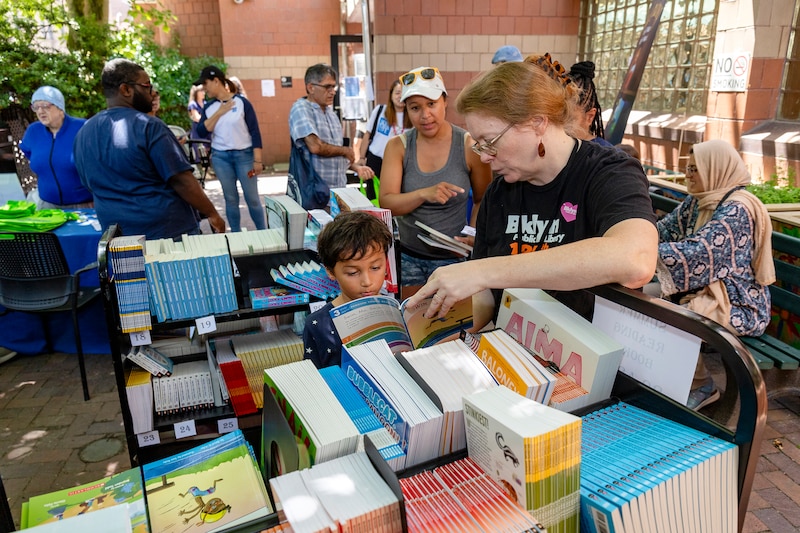
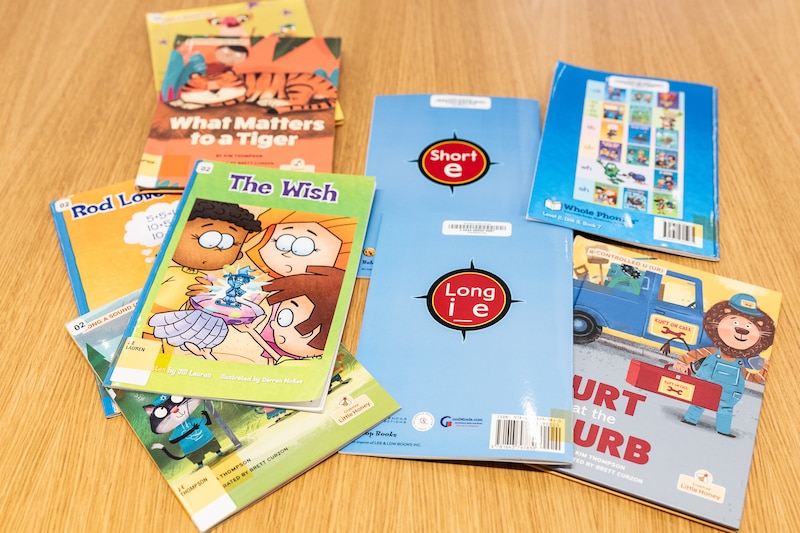
The Brooklyn Public Library paired the training with a push to get new “decodables” — simple books that help children sound out words using the letter-sound relationships and spelling patterns — into their stacks this fall. And the Reading Institute worked with the library to create materials for caregivers to take home, including a “Ready, Set, Letters” booklet created using the research on how children develop knowledge of letters and sounds, Pace Miles explained. Library staffers said the booklets are flying off the shelves.
“Families are hearing a lot of different terms and about new curriculum in their schools, and sometimes teachers aren’t really even fully equipped to talk about it,” said Emily Van Houten, director of programs and partnerships at the Reading Institute. “And so families come to libraries because that’s often a place where they feel a sense of belonging and trust, and they can ask questions.”
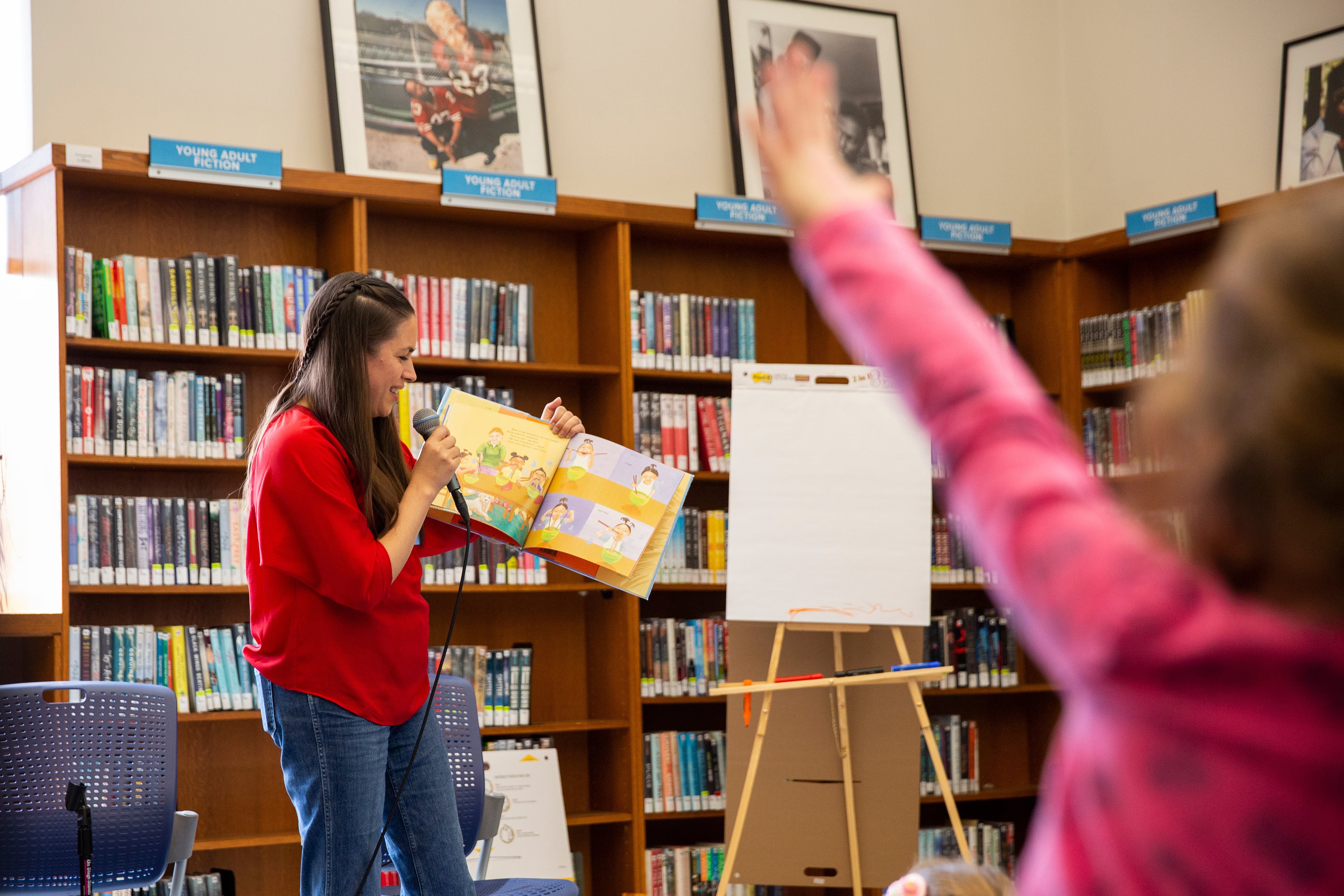
Bringing the science of reading to storytime
The Brooklyn Public Library has long partnered with public schools across the borough, from school visits to homework help and summer reading lists. The training
is allowing the library to “more intentionally complement what’s happening in the classroom and support it, which is what we’re here to do,” said early literacy programs coordinator Jessica Ralli. And librarians say it’s useful for their Ready, Set, Kindergarten program helping preschoolers develop early learning skills.
Taylor Hunsberger, the children’s librarian at the East Flatbush branch, has already used her training, she said. During storytime when there’s a big vocabulary word in a book, now she’ll define it before reading to the children.
“I’d always been afraid of using certain picture books because of their larger vocabularies,” she said.
A few weeks back, a parent who spoke English as a second language came up to Carla Snow where she works at the Jamaica Bay branch in Canarsie. He struggled to explain what he was looking for to help his daughter, showing Snow a message from his daughter’s teacher on his phone. Although it didn’t specify decodables, the note indicated books with specific letter and sound combinations. Snow explained as best she could what that meant and was able to provide him with one of the library’s new books.
“I would not have had a clue how to do that before,” Snow said.
Amy Zimmer is the bureau chief for Chalkbeat New York. Contact Amy at azimmer@chalkbeat.org.