Sign up for Chalkbeat Philadelphia’s free newsletter to keep up with news on the city’s public school system.
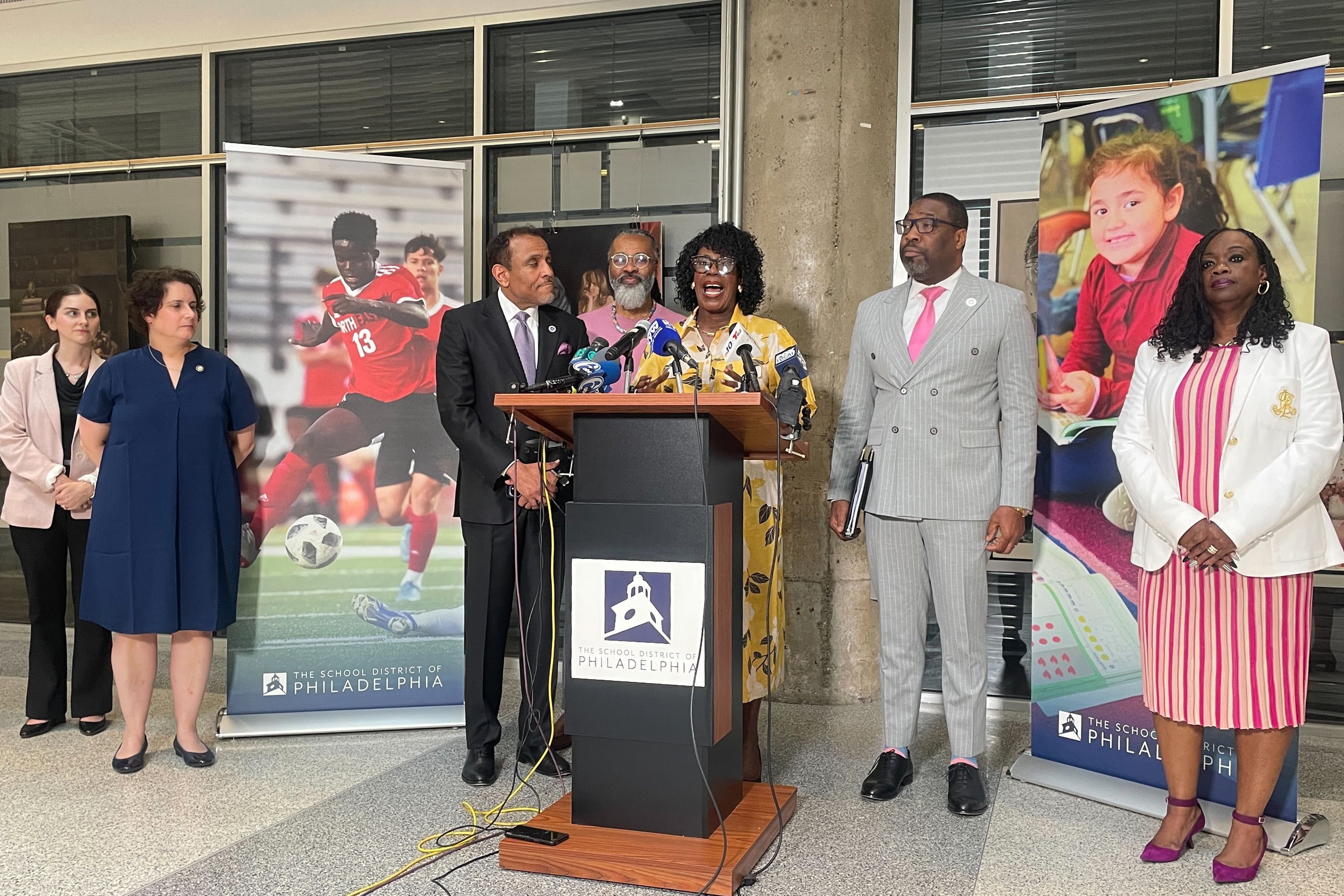
The Philadelphia school district has reached an agreement with the City Council and Mayor Cherelle Parker to stave off the 340 school-based position cuts it had planned for next school year.
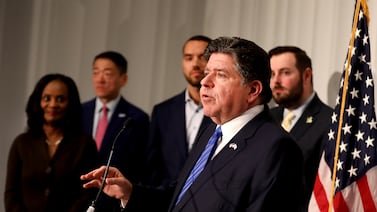
But no additional recurring revenue source is coming under the deal, Parker said Wednesday.
Parker said the district will use $48 million in onetime funding City Council approved as part of its budget deal last week to pay for those positions next year. In the following years, Parker said she will continue to work with the City Council to find a way to generate new, recurring funds for the district. If that does not happen, the city will find the money through other budget cuts.
“There is no new predictable and recurring revenue source in the budget,” Parker said. But she said they made some tough decisions to ensure the district gets the funding to keep these positions over the next five years.
Parker did not share details about where that money would come from if there is no new recurring revenue source, but said there would be more information in the budget plan her team will release tomorrow.
The 340 positions the district planned to cut included climate staff, special education aides, counselors, and teachers. Though no staff would have been laid off under the plan, staff would have had to find new positions and their empty positions would not be filled.
Educators and public school advocates have spent the last few months warning district leaders that the cuts would upend schools, drive educators out of the city, and leave students with less support at a time when they desperately need it.
The deal announced Wednesday would not reverse the 220 building substitute position cuts or the 130 central office position cuts the district adopted.
Last week, Superintendent Tony Watlington told council members that the district could not restore the school-based positions without finding sources of recurrent multiyear funding, according to a memo Chalkbeat obtained.
He argued relying on onetime stopgap funding to cover annual costs such as salaries could negatively impact the district’s financial outlook.
But on Wednesday, standing beside Parker and Council President Kenyatta Johnson, he said he was grateful to accept the deal and called it “Christmas in June.”
Many school staff were told to find new positions months ago due to the budget cuts. Now, the district plans to work with principals as well as the Philadelphia Federation of Teachers to fill those positions again.
Figuring out how to fill the restored positions “is a great problem to have,” Watlington said.
Rebecca Redelmeier is a reporter at Chalkbeat Philadelphia. She writes about public schools, early childhood education, and issues that affect students, families, and educators across Philadelphia. Contact Rebecca at rredelmeier@chalkbeat.org.