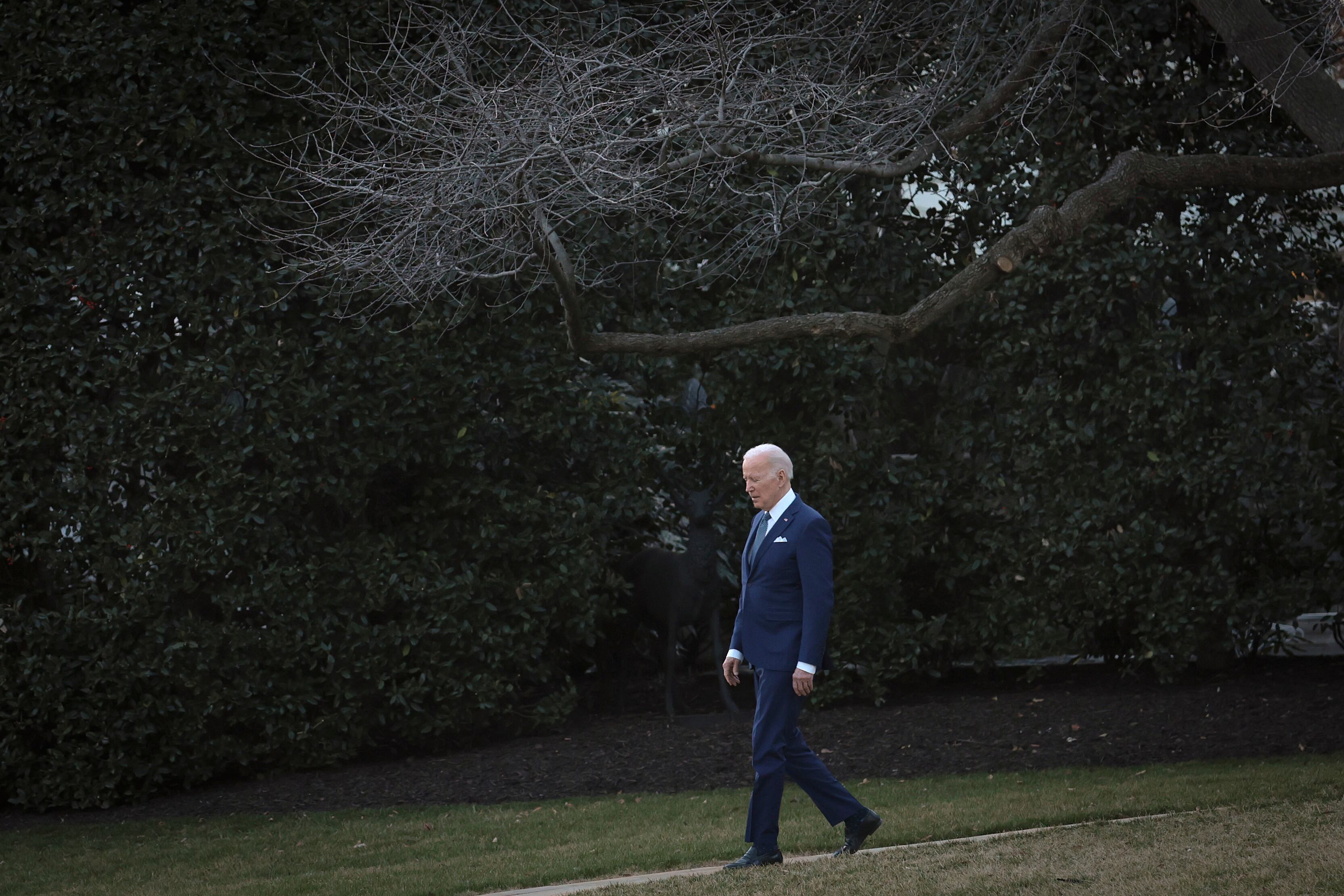
While campaigning for president, Joe Biden vowed to triple funding for Title I.
Last year, Biden aimed to get much of the way there by proposing to more than double the program, which sends extra money to high-poverty schools.
Now, it looks like schools will have to settle for far less.
A bipartisan budget package unveiled early Wednesday increases Title I by just 6%, or $1 billion, and includes a smaller-than-requested boost for funding to support students with disabilities. It’s the latest blow to the Biden’s administration’s education agenda, and means that high-poverty schools won’t be getting the sustained windfall some officials and advocates were hoping for.
“It is hard to not think about what could have been,” said Anne Hyslop, director of policy development at All4Ed, an advocacy group that backs federal spending increases. “In the context of those really big proposals, this feels very small.”
At the moment, many public schools are flush with cash thanks to a rebounding economy and the Biden-championed American Rescue Plan. The COVID relief package sent nearly $130 billion to American schools, a massive sum that schools have started spending on things like tutoring programs and ventilation upgrades.
But that money is only temporary, and the Biden administration had hoped to make a more lasting impact on how schools are funded. The administration sought a $20 billion boost to Title I and vowed to use the money to encourage “states to examine and address inequalities in their school funding systems.”
In all, Biden proposed a 41% increase in U.S. Department of Education spending.
“We can’t lose this moment — this chance for a reset in education — by going back to the same pre-pandemic strategies that did not address inequities,” U.S. Education Secretary Miguel Cardona said in a January speech. “It means increasing funding for Title I schools — those serving communities most in need and, in many cases, hardest hit by the pandemic.”
Wednesday’s bipartisan budget proposal falls far short of those ambitions, increasing Title I from $16.5 billion to $17.5 billion. Although a House budget document touts the change as “the largest increase in the program in more than a decade,” the effect will be modest, as it will be spread out among millions of students from low-income families.
Grants for helping students with disabilities would also increase by $400 million, short of the $2.6 billion extra that Biden sought. In total, the K-12 portion of Department of Education spending would increase by about 5%.
In prior administrations, such a budget might be greeted favorably by education advocates. Many breathed sighs of relief when proposed cuts during the Trump administration were averted. But in light of the Biden administration’s big asks, rising student needs, and inflation that is stretching each dollar, some will see this as a loss.
In some ways, Biden appears to be a victim of his own initial success. The COVID relief money may have stoked inflation and made some in Congress wary of additional spending. It also sent a great deal of money to schools, making it harder to make the case that they needed even more.
“The appetite, even among Democratic members of Congress, for big spending proposals is different than it was a year ago,” said Hyslop.
The modest increase in this bill does not bode well for Biden’s long-term goal of tripling Title I funding. Many analysts expect Republicans to retake control of Congress next year, which would make it even less likely that schools will see additional funding increases. Republican Senator Richard Shelby, ranking member of the appropriations committee, praised Wednesday’s budget for “reject[ing] liberal policies.”
A spokesperson for Cardona and the department did not immediately offer comment.
The budget bill came after months of negotiations between Republican and Democratic leaders and Congressional leaders had hoped to enact it by the end of this week in order to avoid a government shutdown. But is not a done deal yet — some Democrats have reportedly raised concerns that the bill shifts some COVID relief money away from states.
Matt Barnum is a national reporter covering education policy, politics, and research. Contact him at mbarnum@chalkbeat.org.