Sign up for Chalkbeat’s free weekly newsletter to keep up with how education is changing across the U.S.
The U.S. Department of Education is moving oversight of several programs to the Department of Health and Human Services, as the agency continues to offload responsibilities to fulfill the president’s vow to dismantle the federal education department.
The move announced Monday includes transferring management of grants schools receive after traumatic events — such as school shootings, natural disasters or major bus accidents — disrupt learning. It also shifts oversight of major grant programs meant to foster more community and wraparound services in schools in vulnerable neighborhoods.
The Education Department still has not made any announcements about whether special education oversight will move to Health and Human Services. Disability advocates are nearly unanimous in opposing that change.
The department already announced in November that it would move administration of major K-12 and higher education programs to the Department of Labor, including management of both the Office of Elementary and Secondary Education and the Office of Postsecondary Education. And before that, the department moved career and technical education to Labor.
Education advocates and others criticized these moves for sidestepping Congress. While the Trump administration wants to eliminate the agency entirely, only Congress can shutter the department.
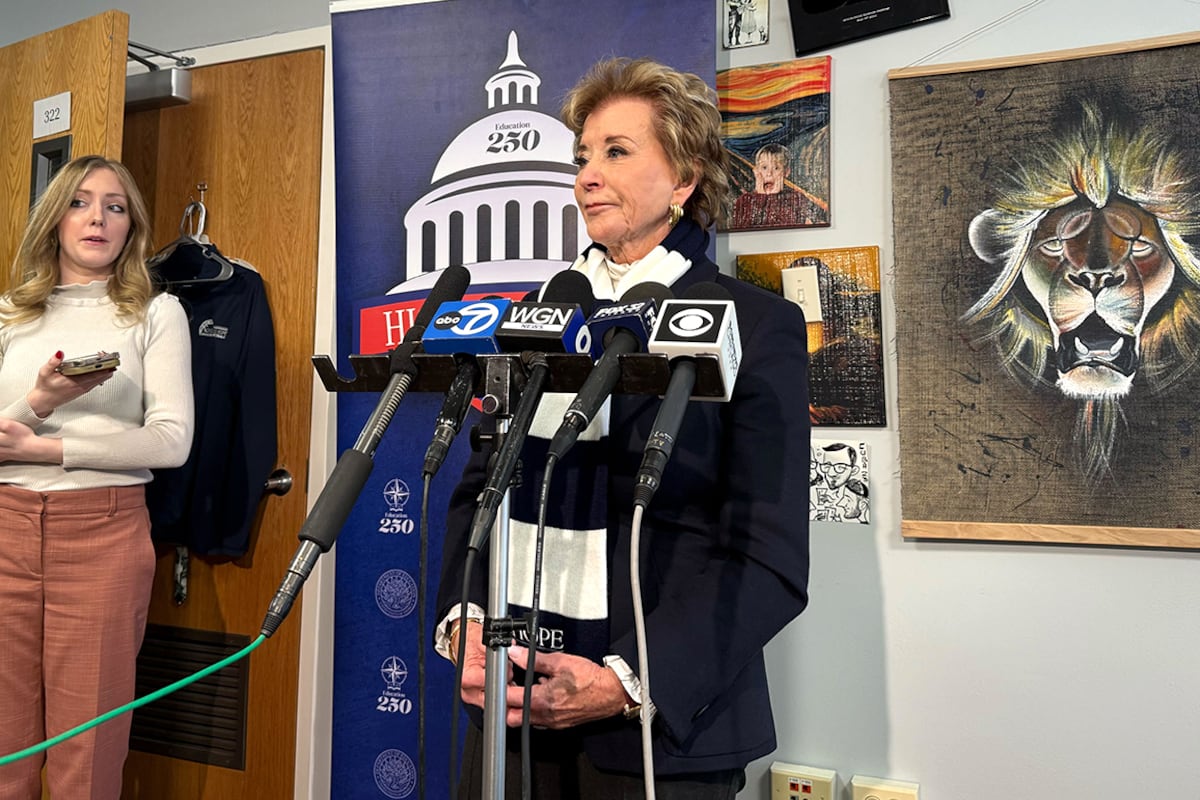
Education Secretary Linda McMahon repeated the administration’s promise to “return education to the states” in a news release sent Monday announcing the latest interagency agreements. She said the change would represent “a practical step toward greater efficiency, stronger coordination, and meaningful improvement” and should not disrupt any programs.
Programs moved over the federal health department include:
- School Emergency Response to Violence: Known as Project SERV grants, these emergency funds go to schools where students have experienced traumatic and tragic events, including school shootings.
- Ready to Learn Programming: Promotes creation of educational content, including television and digital media. Public broadcasting companies have received this grant funding. For instance, Twin Cities PBS used the funding to create an animated series focused on skill-building for the workforce.
- Full Service Community Schools and Promise Neighborhoods programming: Helps schools and other institutions provide comprehensive resources (such as mental health, nutritional health, and other supports for students) to low-income communities.
- Statewide Family Engagement Centers: This funding goes to education institutions for training and development of programs to stoke family engagement in schools.
The Education Department also announced that the State Department will monitor foreign donations to universities through a separate interagency agreement.
The administration has framed the use of interagency agreements to parcel out functions to other departments as a continuation of longstanding practice. Advocates have raised questions about the legality of these agreements.
Democrats pushed unsuccessfully in the most recent spending bills to limit the Education Department’s ability to move programs to other agencies without congressional approval.
U.S. Sen. Patty Murray, a Democrat and vice chair of the Appropriations Committee, called the latest agreements illegal in a press release and lamented that her Republican colleagues won’t constrain the Trump administration’s actions.
“These illegal agreements aren’t just creating pointless new bureaucracy that burdens our already-overworked teachers and schools,” Murray said in a Monday statement. “They are actively jeopardizing resources and support that students and families count on and are entitled to under the law.”
National Editor Erica Meltzer contributed reporting.
Lily Altavena is a national reporter at Chalkbeat. Contact Lily at laltavena@chalkbeat.org.