
Chronic Absenteeism
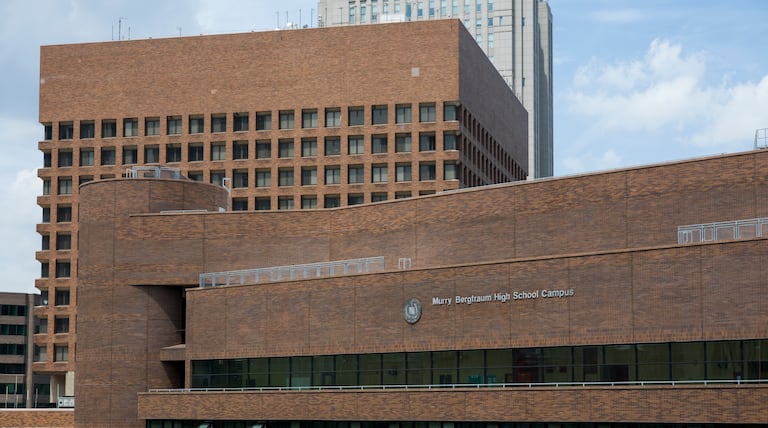
The city’s inaction on closing Murry Bergtraum High School — which once enrolled 3,000 students — is shortchanging the 90 students still there. It comes at a cost of $46,000 per pupil, a Chalkbeat investigation reveals.

According to data the city released Thursday, the chronic absenteeism rate remains higher than pre-pandemic levels.
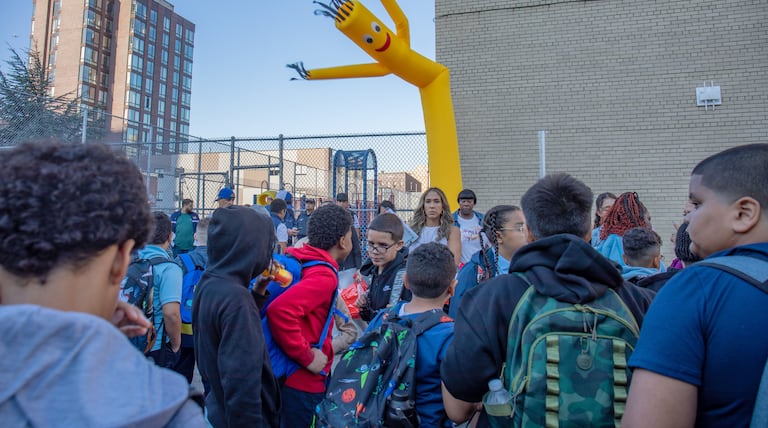
Beyond the city’s high-profile AI policy, here’s what’s changing at NYC public schools this year, from mandated curriculums and school avoidance liaisons to the future of the Regents exams.

District leaders say the new rate is the best in district history.

More than 1 in 4 Colorado students missed 10% or more of their school days in 2025-26, according to new state data. Look up your district's data in our searchable table.

NYC public schools will adopt systemwide rules and appoint dedicated liaisons to help students missing school due to severe anxiety, depression, or other disabilities.

The district is relaunching its summer door-knocking campaign and changing in-school strategies to boost attendance after high absenteeism became an impetus for the MSCS state takeover.
After the pandemic, more than half of the students at Compass Berclair were missing at least 10% of school days. A new attendance team helped get them back on track.

A new report signals that the pandemic may not be the only factor driving the problem.

Students who receive services from DPSCD’s 10 Health Hubs had better daily attendance than those who didn’t in 2024-25, according to the district. Navigators are the central piece that make the coordinated health plan model work.

To tackle high rates of chronic absenteeism, the Education Department is proposing to mandate school staffers to support students struggling with anxiety, depression, and school refusal.

In its second year, DPSCD’s financial attendance incentive reached more than 12,000 high schoolers. More students at neighborhood high schools were able to get the payout compared to last year.
DPSCD administrators said Henry Ford students who rode the bus frequently significantly reduced their chronic absenteeism this school year. The same was not true for East English Village, where more students live farther from their school.
Now the state will await approval from the federal government. Some education advocacy groups continued to oppose some elements of the overhaul.

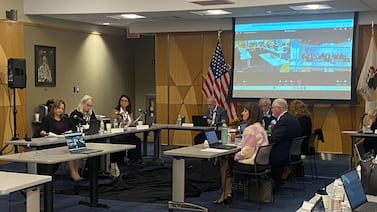
The Detroit district’s school board held a work session on chronic absenteeism this week, floating their ideas to help kids get to school despite the city’s barriers.

That means around 12,000 high schoolers would miss more than 10% or 18 school days in a year. That’s significantly higher than the statewide average.
A University of Chicago report out Tuesday shows that missing school took an even bigger toll on students’ grades and test scores post-COVID than it did before the pandemic.

A new law calls on the state to create a task force that will identify the barriers keeping students out of school and develop recommendations for districts to follow.

A student is chronically absent if they miss 10% or more of their school days. The new data is bad news for the state’s goal to cut chronic absenteeism in half.

The Detroit school district surveyed high school students to get their thoughts on how to reduce chronic absenteeism.