Beyond High School is our free monthly newsletter covering higher education policy and practices in Colorado. Sign up to get it delivered to your inbox early.
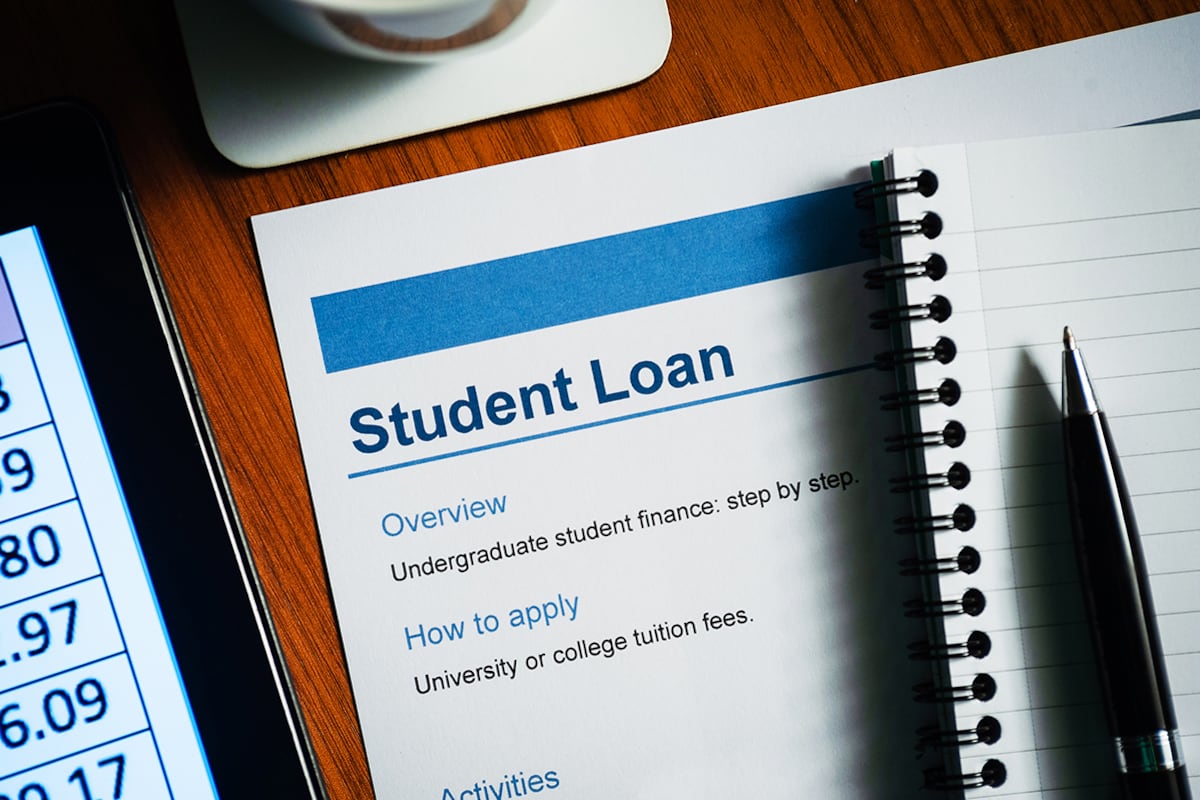
Last week, the U.S. Department of Education reached a proposed settlement in a lawsuit brought by Republican state attorneys general to end the Saving on a Valuable Education student loan repayment plan.
The plan, better known as SAVE, offered a flexible, income-driven repayment plan and quicker loan forgiveness. Some of the about 7.6 million borrowers enrolled paid as little as $0 a month.
Republican state attorneys general argued that the plan would saddle taxpayers with borrowers’ obligations. The federal government backs student loans with the expectation that it will recoup a portion of the money plus interest from borrowers. The Trump administration has also repeatedly questioned the SAVE plan’s legality.
As part of the settlement, the Trump administration said it will stop enrolling new borrowers in the plan, deny any pending applications, and move all SAVE borrowers into different repayment plans.
For those borrowers, this means the Education Department will begin sending notifications in the coming weeks. Officials also said borrowers will have a limited time to choose a new repayment plan.
Those options include fixed repayment plans that calculate how much a borrower owes, their interest rate, and repayment timeline, as well as income-based repayment plans that calculate how much borrowers earn and can afford to pay each month.
The settlement is just one of several steps the Trump administration and Congress have taken to reshape federal student loan programs. Before the settlement, lawmakers planned to phase out the SAVE plan.
Other changes include the creation of the new Repayment Assistance Plan, or RAP, which would extend the timeline to get student loan forgiveness up to 30 years. National advocacy groups have panned the plan as potentially more expensive for some borrowers.
If you have a question, comment, or tip, reach me at jgonzales@chalkbeat.org.
Higher ed stories from Chalkbeat
Colorado Gov. Jared Polis wants merger of higher education and labor departments — Polis backed a merger of certain functions from seven different state agencies to form a new Department of Higher Education and Workforce Development.
Colorado faculty councils call on university leaders to oppose Trump on higher education — Colorado university and college faculty bodies have joined others nationwide to push Colorado university leaders to defend against the Trump administration.
Colorado higher ed department chief to leave post in January — Colorado Department of Higher Education Executive Director Angie Paccione said she will leave for the private sector due to personal reasons.
Gov. Polis selects new leader of Colorado’s higher education department — JB Holston will shadow Paccione for a month before taking over in January.
Recent high school graduates and older students are enrolling at Colorado’s community colleges at higher rates — This year, the Colorado Community College System reported an enrollment of more than 94,000 students.
Donations help Colorado rural colleges expand student access to work-based learning — Donations are fueling a new initiative that will seek to expand learning opportunities in rural communities that connect to the workforce.
What we’re reading
Despite funding woes, Colorado’s first Latina chancellor sees bright future for community colleges Colorado Sun
Here’s how much more income a college degree gets you in Colorado Fort Collins Coloradoan
Sole finalist for new president named for Colorado State University Pueblo Colorado Public Radio
“Buckle up”: Trump official pledges to fix accreditation Inside Higher Ed
Jason Gonzales is a reporter covering higher education and the Colorado legislature. Chalkbeat Colorado partners with Open Campus on higher education coverage. Contact Jason at jgonzales@chalkbeat.org.