
Curriculum and instruction
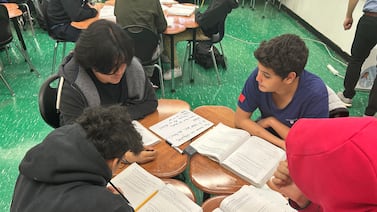
The veteran teacher explains the philosophy behind Illustrative Mathematics, how he supports struggling students, and why he keeps AI out of his classroom.
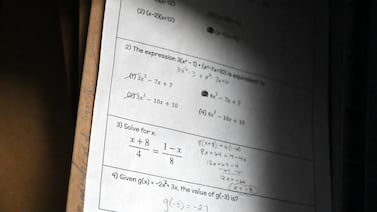
If New York moves ahead with its plan to scrap the Regents graduation requirement, this year’s high school juniors would just need to pass their required classes to graduate.
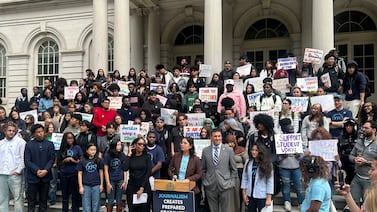
The New York City Council is boosting funding for high school journalism, aiming to give thousands more students access to journalism classes and student media outlets.

Grade floors and other equitable grading practices became more common during the pandemic. South Carolina lawmakers worried they were undermining the value of a high school diploma.

At 17, Bed-Stuy native Aaliyah Duah realized the key to closing the wealth gap was closing the information gap. Now 23, the David Prize winner is bringing relatable financial education to students across NYC.

Superintendent Roderick Richmond blamed rising repair and replacement costs for ending a yearslong policy that gave each student their own personal laptop.
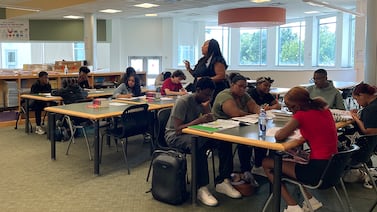
Federal data shows a steep post-pandemic increase in credit recovery enrollment as schools push students to graduate, but critics worry online courses compromise learning.
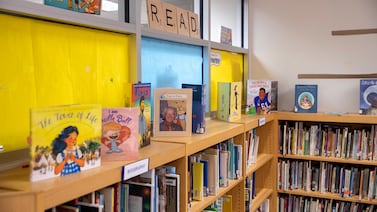
Schools are shifting away from full novels to excerpts to prep students for state exams and accommodate lower stamina for reading.
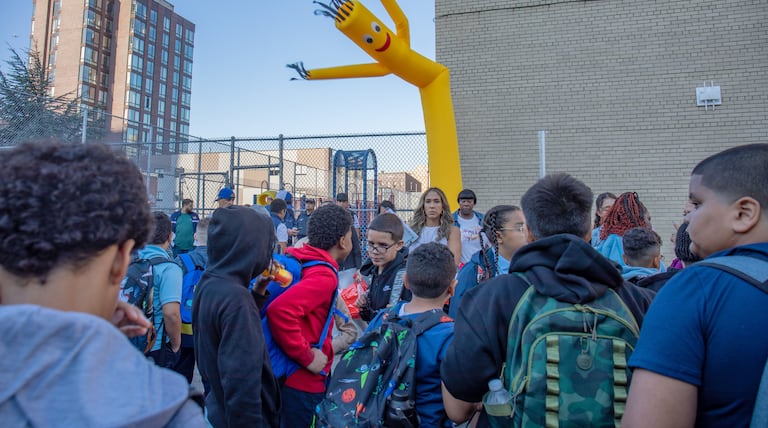
Beyond the city’s high-profile AI policy, here’s what’s changing at NYC public schools this year, from mandated curriculums and school avoidance liaisons to the future of the Regents exams.
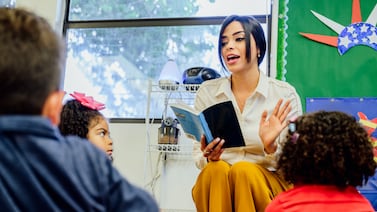
Teachers and experts say the curriculum from EL Education does not effectively teach young students phonics.

While most major U.S. school districts are already back in session, New York City students don’t return until Sept. 10. The late start leaves working parents struggling to cover weeks of costly childcare gaps.

As New York City marks 25 years since Sept. 11, Chalkbeat wants to hear how local educators approach this history in their classrooms. Share your lesson plans, teaching strategies, and memories with us.

After streamlining its annual survey to get clearer, more direct answers, NYC got feedback from more than 357,000 students. Here are key takeaways from the newest questions.

“I viewed a lot of stuff about Texas and Houston and San Antonio and migrant workers, and Texas and Texas,” said one school board member.

At Voyages Prep in Elmhurst, students found purpose and accountability through a hands-on project to renovate a playground. Their effort won $50,000 and changed how they viewed their own potential.

“Our schools will not use the curriculum as a vehicle for religious instruction,” wrote Eddie Ramirez, superintendent of the Montezuma-Cortez district.
The steep declines come as NYC enters the fourth year of its literacy overhaul. City officials say the results, which nearly wiped out last year’s gains, raise questions and require further analysis.

The Bluebonnet curriculum has drawn fierce criticism from some Texas parents and religious scholars.
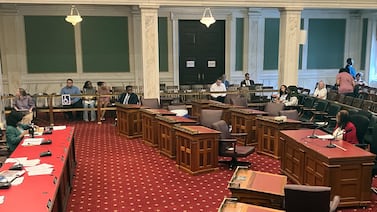
School district officials say they’re expanding access for students who can handle the advanced math class. But elected officials are impatient for change.

The rise of AI-generated materials is testing educators’ trust in Teachers Pay Teachers, which has long been at the center of debates about curriculum quality.