Did you know search engines like Google are changing the way you see news? Keep Chalkbeat’s valuable education coverage at the top of your feeds by clicking here and checking the box next to our name.
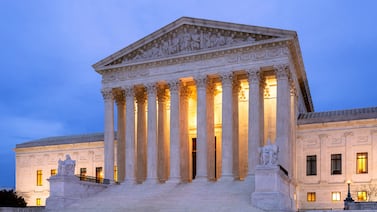
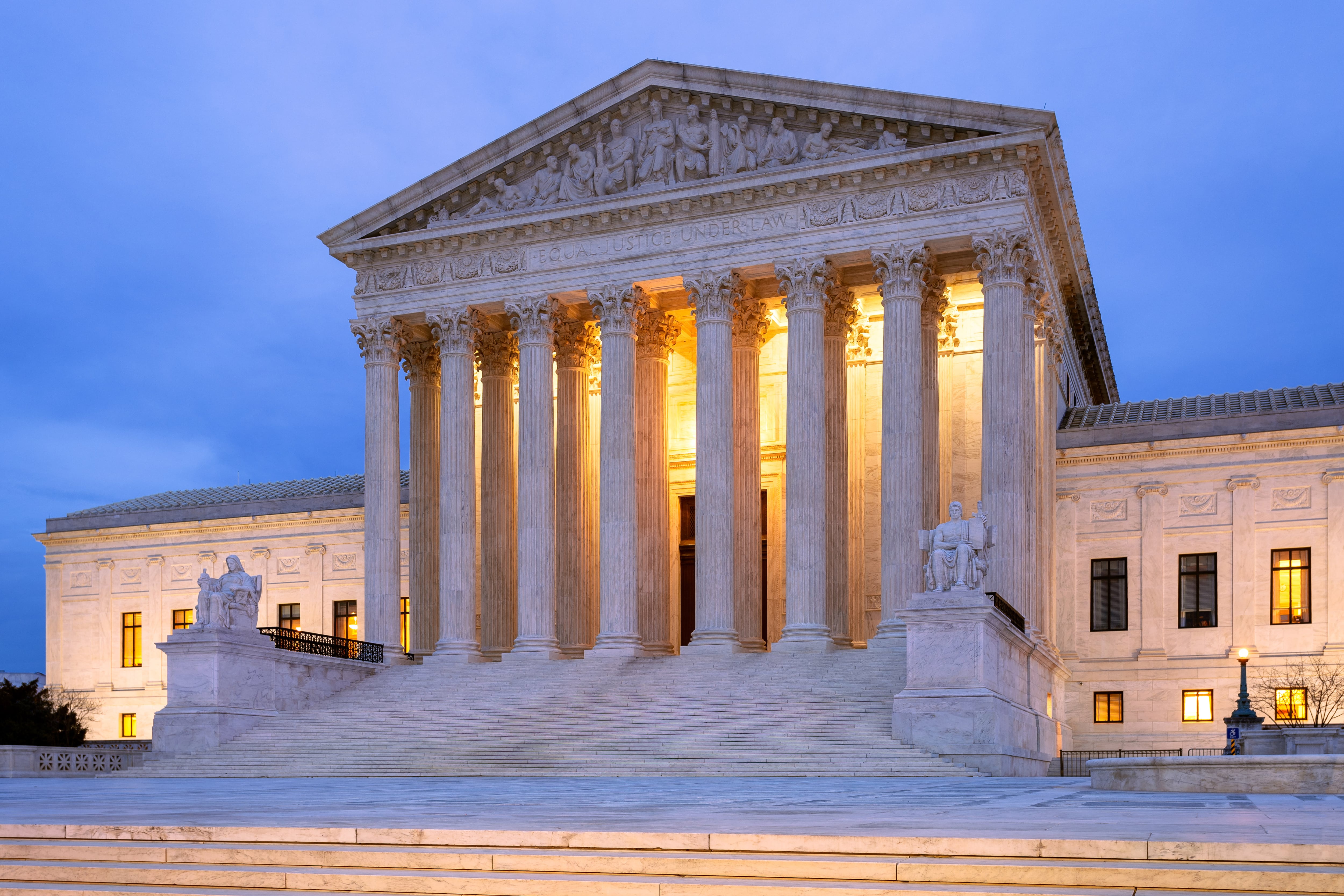
The U.S. Supreme Court heard two hours of arguments Tuesday in a Colorado case that could have nationwide implications for the conditions states can place on religious schools that receive public dollars.
The case, St. Mary Catholic Parish v. Roy, stems from a conflict between two Catholic preschools and Colorado officials who oversee a state-funded preschool program. The preschools wanted to join the program but didn’t want to abide by the state’s nondiscrimination rules, specifically those protecting people based on sexual orientation and gender identity.
The preschools argued that admitting LGBTQ students or students from LGBTQ families would clash with Catholic teachings. The state declined to grant them an exemption.
In court on Tuesday, some conservative justices suggested the case should not have ended up before the high court because Colorado could have found a win-win solution that allowed a few dozen Catholic preschools to join the preschool program while still giving LGBTQ families lots of other choices. More than 2,000 preschools participate in the program, including other religious preschools that agreed to abide by the state’s nondiscrimination rules.
“Just trying to figure out why we’re here, why this problem has risen all the way,” said Justice Brett Kavanaugh. “Why has this been provoked when there’s an ability for everyone to go to … a good school that’s a fit for them, and to respect religious rights?”
Colorado’s attorney, Deputy Solicitor General Helen Norton, noted that the right preschool fit may be a school near a family’s home, one that opens early, or has space for all three siblings.
She said the state’s interest is providing families with “equal opportunity, not some opportunity.”
Other conservative justices raised the possibility that Colorado’s non-discrimination rules may unconstitutionally burden religious beliefs even if they don’t explicitly target religion.
Justice Samuel Alito listed some hypothetical situations he said were similar. If the U.S. Supreme Court banned head coverings, he said, it could prevent Orthodox Jewish men or Muslim women from arguing a case. Or if every slaughterhouse “must render the animal unconscious before being killed,” he said, kosher and halal slaughterhouses would be outlawed.
Liberal justices questioned the Catholic preschools’ legal arguments.
“I’m asking you a direct question,” Justice Sonia Sotomayor said. “Your Catholic schools will reject a child merely because their parents are homosexual?”
Nick Reaves, an attorney for the Catholic preschools, said that if it was the preschool’s “sincere religious exercise … then I think that would be permitted.”
Other liberal justices questioned the Catholic preschool’s reliance on a trio of recent Supreme Court decisions that paved the way for religious schools to gain greater access to public funding. Justice Elena Kagan said the court found in all three cases that states created rules that explicitly treated religious schools differently than non-religious schools.
But that‘s not true in the Colorado case.
“I would just want to focus on your main argument,” Kagan told Reaves, “which is, even though religious people are being treated the same way on the face of the statute, that’s not enough. They need a special accommodation.”
Reaves suggested states can easily circumvent those rulings by not explicitly targeting religion.
“You can imagine situations where the government is keeping out religious schools, but it’s just not using the word religion or the word sectarian,” he said.
Justice Ketanji Brown Jackson questioned whether religious schools could keep out children from other protected classes if the court allows them to keep out children from LGBTQ families.
“Couldn’t that same logic support a religious entity who says we don’t want to open our schools to students of races that we disagree with or ethnicities that we disagree with?” she asked Sarah Harris, a Justice Department lawyer who argued on behalf of the preschools.
Harris suggested such a legal argument would lose in court because the government has a compelling interest in preventing racial discrimination.
Ann Schimke is a senior reporter at Chalkbeat. Contact Ann at aschimke@chalkbeat.org.