Did you know search engines like Google are changing the way you see news? Keep Chalkbeat’s valuable education coverage at the top of your feeds by clicking here and checking the box next to our name.
Michigan reelected Democrats to two seats on the State Board of Education, maintaining the party’s control on the body and ensuring the board’s priorities on improving early literacy rates, graduation rates, and expanding early childhood opportunities remain.
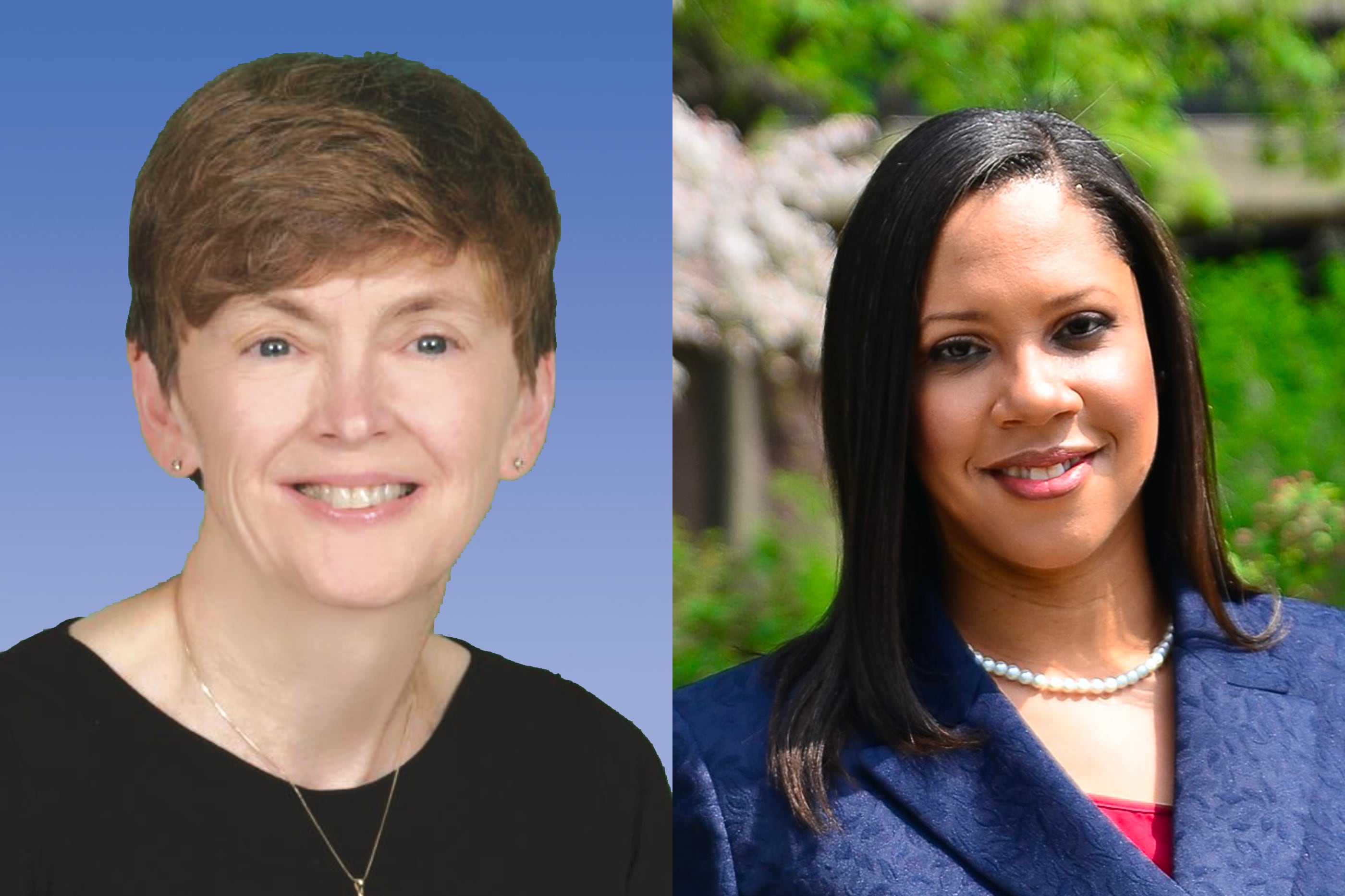
Unofficial vote totals from the state show incumbents Judith Pritchett, a retired educator, and Tiffany Tilley, an adjunct professor and real-estate agent, as the top two vote-getters in the race for eight-year terms on the board. Pritchett received 2,375,045 votes, or 27.49%, while Tilley received 2,349,646, or 26.21%.
They came out ahead of Republicans Terence Collins, a senior financial analyst at General Motors, and Bree Moeggenberg, a licensed childcare provider and political canvasser. Collins received 1,975,333, or 22.03%, while Moeggenberg 1,926,227, or 21.49% of the vote. There were also six minor party candidates vying for the seats.
Pritchett and Tilley were first elected to the eight-member board in 2018. Democrats will continue to have a 6-2 majority on the board.
The State Board of Education is a statewide elected body that hires, fires, and oversees the state superintendent, who in turn oversees the Michigan Department of Education. The board also establishes policies for public schools, approves academic standards, and provides guidance to the Michigan Legislature on education issues. Among the board and department’s current priorities is Michigan’s Top 10 Strategic Education Plan, which outlines the state’s priorities for improving education.
Here’s a brief look at priorities and the state’s biggest education challenges Pritchett and Tilley shared with Chalkbeat in a voter guide survey:
Pritchett: Focused on addressing literacy, equitable opportunities for students
Economic issues facing schools, particularly those in rural communities, is one of the biggest challenges, Pritchett said.
“Many of our communities are facing financial challenges and therefore are not able to support facility improvements for their schools,” she said.
Pritchett also cited chronic absenteeism and teacher shortages as challenges.
As for her priorities, she would focus on ensuring newly enacted laws aimed at addressing the state’s literacy crisis are successfully implemented. Among the new laws is one that requires all K-5 educators to receive training in the science of reading, a longstanding body of research about how children learn to read.
Other priorities include equitable educational opportunities for all children and supporting high-needs students and families by continuing to provide free school breakfasts and lunches, mental health services, and support for English language learners and students with disabilities.
Tilley: Improving outcomes to ensure all children can succeed
Tilley’s priorities begin in a way that is similar to Pritchett’s: with a focus on improving literacy and academic achievement.
“Michigan must strengthen early literacy, identify students who need additional support sooner, expand evidence-based interventions, and ensure educators have the training and resources to help every child succeed,” Tilley said.
Her other priorities also include closing opportunity gaps, ensuring students have access to quality educators, and making sure students with disabilities have the evaluations and support they need to succeed.
The biggest challenges, she said, are literacy and math achievement gaps, educator shortages, chronic absenteeism, special education workforce shortages, and inequities in opportunity.
“We cannot address these challenges with a one-size-fits-all approach,” Tilley said. “Michigan should strengthen early literacy, expand evidence-based interventions, support educator recruitment and retention, improve special education capacity, and address barriers that keep students from consistently attending school.
You can read their full responses here.
Lori Higgins is the bureau chief for Chalkbeat Detroit. You can reach her at lhiggins@chalkbeat.org.