Did you know search engines like Google are changing the way you see news? Keep Chalkbeat’s valuable education coverage at the top of your feeds by clicking here and checking the box next to our name.
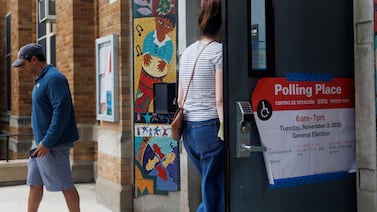
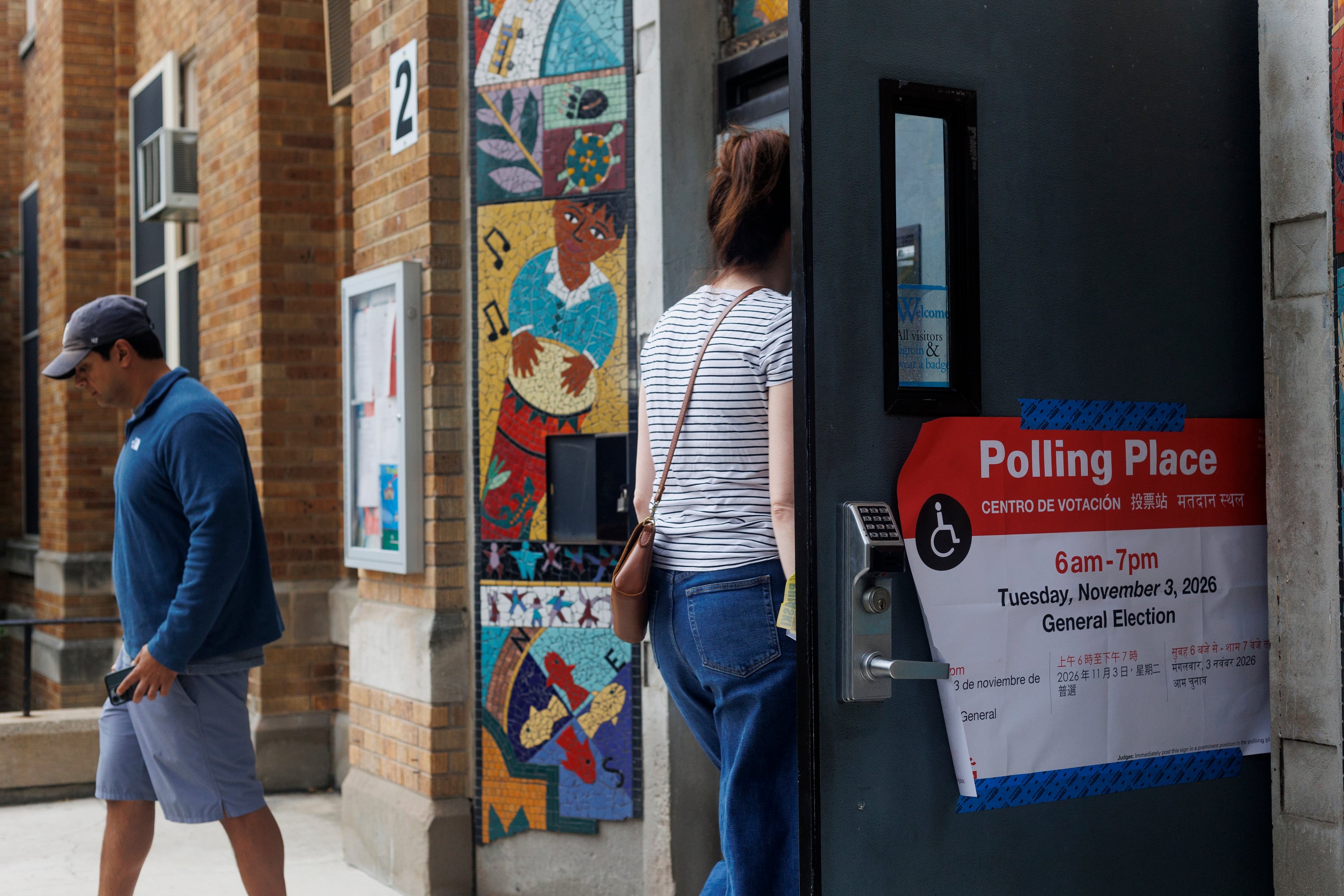
Following last week’s far-reaching Democratic victories, commentators have been debating what, if any, role education issues played in the results.
This is more than an academic question. It speaks to what voters want from their politicians and what they will reward in future elections. To help figure this out, I looked at a range of polls and election results. My takeaway: voters’ thinking on schools was hardly a key driver of last week’s results, but it provided a tailwind for Democrats and may have played a significant role in a handful of state races.
Education was not a top issue, but it was on many voters’ minds
Americans were far more likely to rank affordability, democracy, immigration, and corruption as key to their midterm decisions. One poll found that just 2% of voters described education as the most important issue. Another survey reported that only one in 10 voters put education among their top three issues.
Still, many Americans at least considered schools while at the ballot box. In one survey, 62% of voters described education as “very important” to their vote, fourth among 16 issues.
Private school choice was a major topic in several state races
In states including Arizona, Iowa, Tennessee, and Texas, Democratic candidates for governor and state legislature sharply criticized subsidies for private schools — in some cases making the issue central to their campaigns. Many, though not all, of those candidates won. There’s reason to think their critique of school vouchers may have resonated with voters. In 2024, in an otherwise good year for conservatives, two school choice measures in Republican-leaning states were roundly defeated.
Still, it’s hard to know if education was decisive in any particular race. After all, some Democrats had similar anti-voucher messaging in prior years but were far less successful; this year’s broader blue wave makes it difficult to isolate the role of education.
More generally, voters prefer Democrats on education — one of their stronger issues
In one ABC poll leading up to the election, Americans were 14 percentage points more likely to trust Democrats on education and schools, tied for the party’s second-best issue. (Notably, about one in four respondents didn’t trust either party.) A different survey gave Democrats a 16-point edge on education, a figure that has largely held steady throughout Trump’s second term. This is frankly a bit surprising, given that it’s been hard to discern a clear national message on education from Democrats. Yet poll after poll shows voters giving the party an edge.
Most Americans aren’t happy with how Trump has approached education
Trump has low approval ratings across the board, and education is no exception. In one survey, 57% of voters judged Trump’s approach to education as “terrible,” compared to just 25% who said it was “excellent.” A different poll showed Trump 20 points underwater on education. Unlike most issues, these numbers have been consistent throughout his nearly two years in office. One potential reason: voters have never been enthusiastic about closing the Education Department.
Some voters may believe this means cuts to school budgets. One disillusioned Trump voter said in a focus group earlier this year, “I feel like he just defunded a lot of the education systems.” (Although the administration has proposed some funding cuts to schools, these have largely not gone through.)
Overall, Trump’s low approval rating on education, coupled with Democrats’ general advantage on the issue, may have had some influence on last week’s results.
Particular Trump education policies are more popular, but less salient in the election
Although few Americans are familiar with the Trump-backed federal school choice tax credit, most appear to support the measure when told about it. During the campaign, Republicans repeatedly mentioned the program, though since it’s not operational yet, it may have been tough to sell voters on.
Meanwhile, voters in Arizona, Colorado, Nebraska, and Washington voted for new limits on transgender athletes, a Trump administration priority. But this was just not a key issue in the broader election. In one survey, fewer than one in four people rated LGBT-related policies as very important to their vote, lower than any other topic.
Matt Barnum is Chalkbeat’s ideas editor. Reach him at mbarnum@chalkbeat.org.