
AI in Education
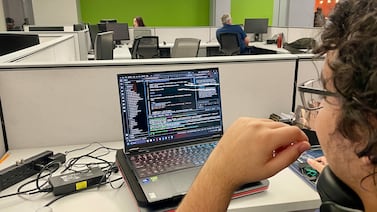
n Philadelphia, a tech training program has overhauled its curriculum to try to give young people a leg up in an increasingly competitive job market.
AI may be starting to chip away at the college wage premium. A closer look at Nikole Hannah-Jones’ daughter’s elementary school. A small but important update to Sal Khan’s origin story.
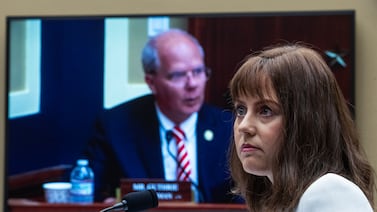
E-Rate is the fifth-largest source of federal funding for schools. Now it’s in the crosshairs of the backlash to ed tech.
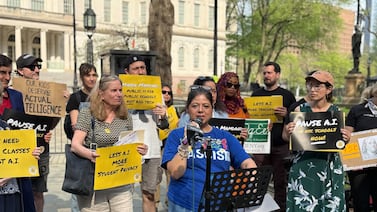
School tech faces a backlash. Polling suggests many parents aren’t ready to give up on devices just yet.
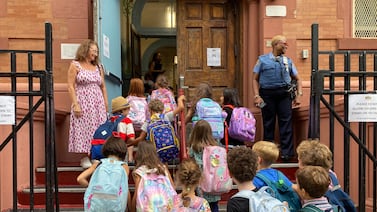
As NYC students head back to school with a new AI moratorium and suggested screen time limits, relieved parents are using the rules to set boundaries at home.

A new report from the American Psychological Association does not endorse outright screen bans, but says school systems and vendors should hold themselves to a higher standard.

NYC is banning student-facing generative AI tools in preschool through 8th grade and calling for screen time limits. But with key details still murky, educators face uncertainty just days before school starts.
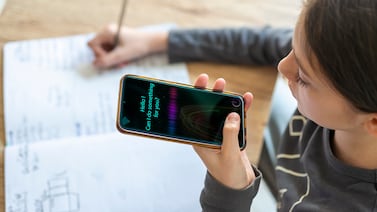
State guidelines push AI tools for teachers and students, but offer few concrete ways to catch or deter academic dishonesty.

NYC public schools are expected to ban student-facing artificial intelligence for grades 2-K through 8 under new guidelines to be announced Wednesday. The rules also limit classroom screen time.
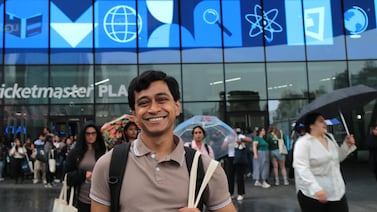
Thousands of new teachers gathered for orientation at Brooklyn’s Barclays Center as the city prepares to issue new guidance on AI in schools
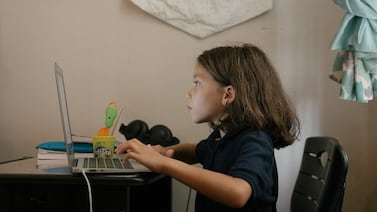
Researchers found that simply giving students access to a capable AI tutor did little to ensure they used it for learning. More structured use of the technology showed greater promise.
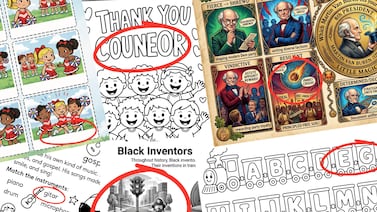
The rise of AI-generated materials is testing educators’ trust in Teachers Pay Teachers, which has long been at the center of debates about curriculum quality.

Through NYC’s Summer Youth Employment Program, hundreds of teens are working with experts and AI tools to reimagine sports infrastructure. The initiative aims to inspire careers in STEM and design.
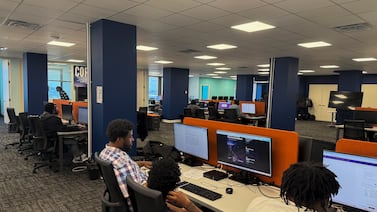
Hopeworks Newark trains young adults to work with AI, including mock interviews with digital assistants.
Anthropic launched Claude for Teachers, a free AI assistant for educators, joining Google, OpenAI, and Khan Academy in the growing race to cement AI as a classroom staple.
Illinois lawmakers asked the state’s education board to give schools a framework for using artificial intelligence. The 400-page document emphasizes the importance of human relationships — but also discloses that early drafts were created with the help of AI.

The software purchasing freeze is the most concrete step officials have taken to limit schools’ access to AI and educational technology products.
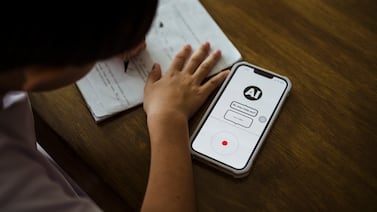
American Federation of Teachers President Randi Weingarten toured a Newark school hoping it would prove her wrong about AI in schools. Instead, it confirmed her concerns.

Stanford researchers wanted to test whether human support would improve the effectiveness of an AI literacy tutor. Their bigger finding was that students barely used the tutoring tool.

The modern education system was built for an economy that rewarded more schooling. AI is forcing students and schools to prepare for a murkier future.