Did you know search engines like Google are changing the way you see news? Keep Chalkbeat’s valuable education coverage at the top of your feeds by clicking here and checking the box next to our name.
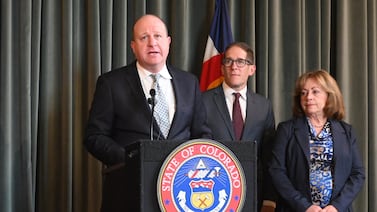
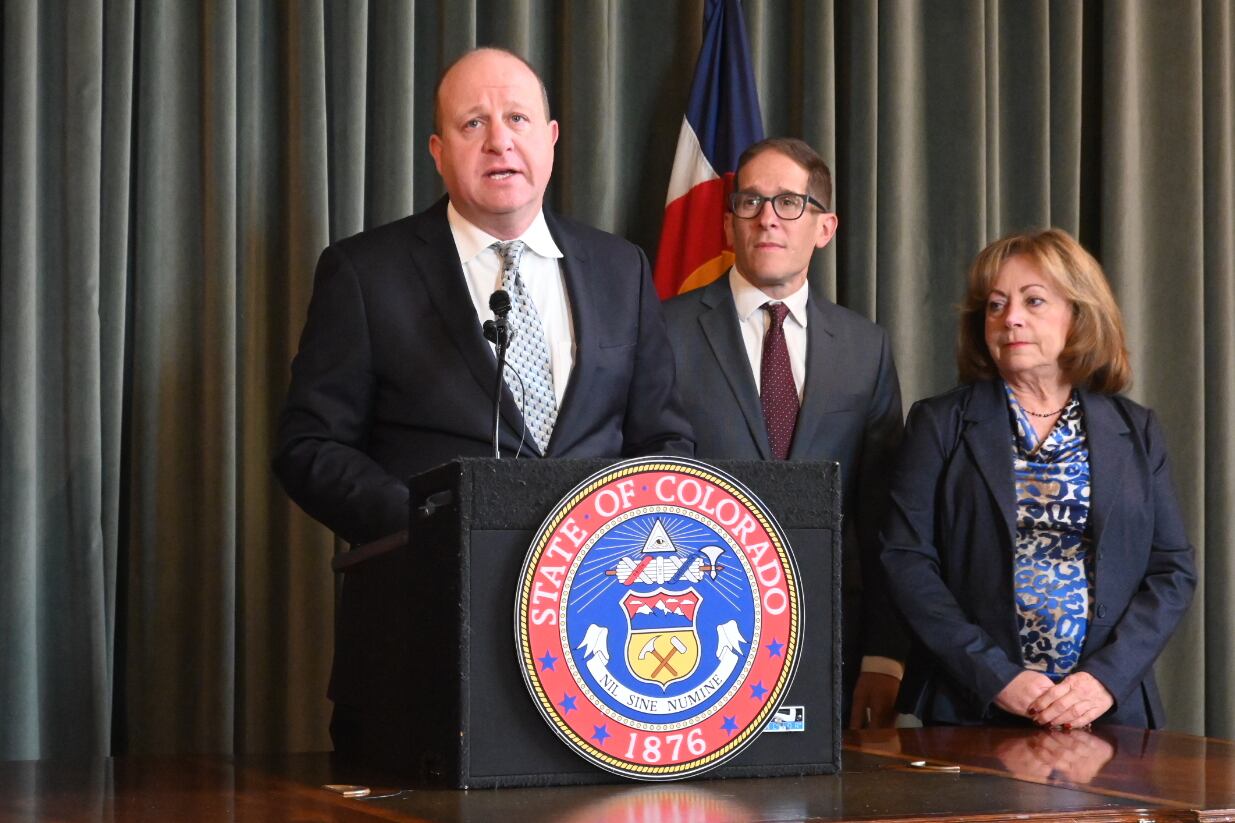
Colorado Gov. Jared Polis released his eighth and final budget plan on Monday, but the state’s education funding picture will depend greatly on Tuesday’s election results.
State law says the governor must submit a budget proposal for the upcoming fiscal year by the beginning of November. The proposal signals the governor’s priorities, and the six-member Joint Budget Committee typically uses the draft to help craft a spending proposal during the legislative session that starts in January.
But on Tuesday, voters will elect a new governor who will have their own budget priorities.
Voters will also decide on 14 ballot measures, including Proposition NN and Amendment 87, which would increase state funding for education and alter budget projections. The two measures are especially important because Colorado faces a more than $1 billion budget deficit for the third year in a row.
Polis proposed spending another $212.1 million on K-12 schools, which would bring statewide spending to about $10.4 billion. Statewide per pupil funding would increase to $12,814, or about $488 more than this year.
His budget would keep the state’s seven-year school funding formula implementation on track and include 45% of the $500 million needed to update the formula, which distributes state funding to schools based on factors such as the type of students they teach.
Polis proposed another $7.3 million on universal preschool, which was one of his signature initiatives. He also wants to raise more money for the program by increasing gaming and nicotine taxes.
Polis continued his push for the state to privatize Pinnacol Assurance, a state-chartered mutual company that operates independently of the state and provides workers compensation insurance. He said he’d earmark about $100 million from its sale to create a trust fund for the Colorado Child Care Assistance Program. Doing so would significantly expand the number of children and families who could access childcare subsidies in the coming years, according to his budget proposal.
The proposal sets aside $4.7 million to create a new Colorado Department of Higher Education and Workforce Development. The budget would allow colleges and universities to raise tuition by 3% for in-state students and 4% for nonresidents.
Polis included $1.2 million to extend the Colorado Adult High School Grant Program, which helps adults 21 and older get a high school diploma at no cost. And he wants to spend $3.5 million to extend state grants for afterschool and summer programming for three additional years.
Jason Gonzales is a reporter covering higher education and the Colorado legislature. Chalkbeat Colorado partners with Open Campus on higher education coverage. Contact Jason at jgonzales@chalkbeat.org.